Lutoboka Central Forest Reserve, Ssese Islands | Uganda
The Lutoboka Central Forest Reserve is a lush, medium-altitude moist evergreen forest situated on Bugala Island in the Ssese Islands, Kalangala District, Uganda.
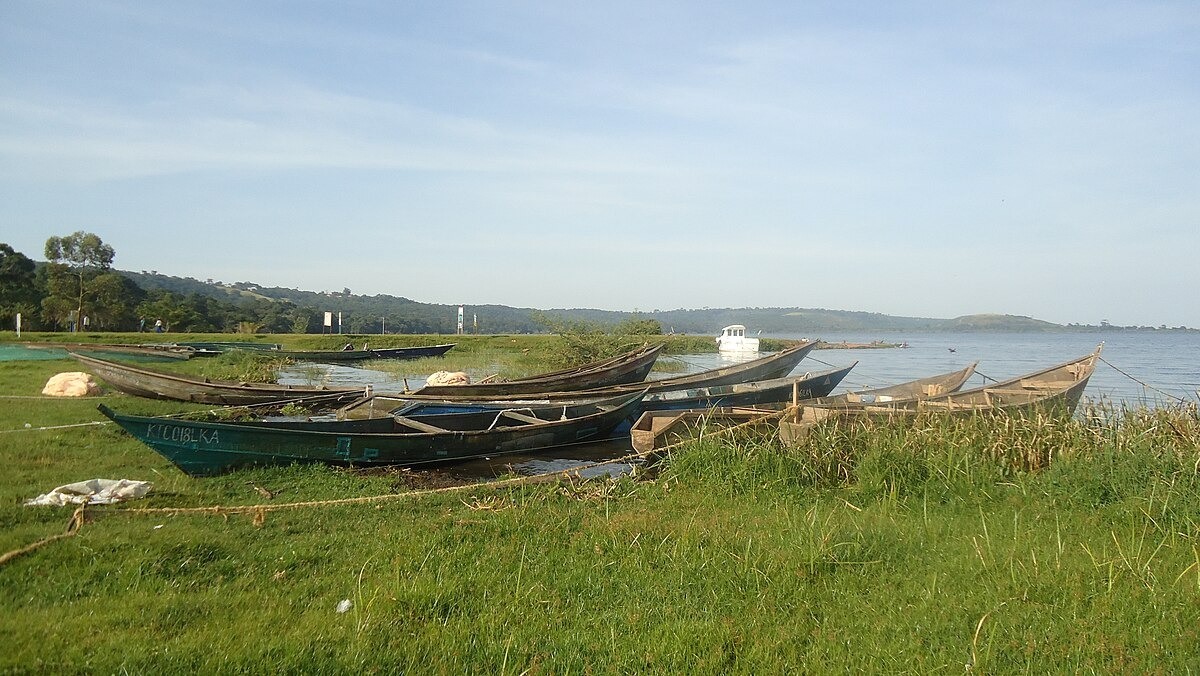
Nestled within the archipelago of Lake Victoria, the reserve occupies the eastern side of the island near Lutoboka Point, which juts into the Lutoboka Channel.
Spanning a gentle slope from Lake Victoria’s shoreline to the island's central ridges, this biodiverse forest is characterized by dense evergreen vegetation, hosting a variety of flora and fauna unique to the region.
Lutoboka Central Reserve's serene environment, enriched by its proximity to Lake Victoria, supports a delicate ecosystem, making it a significant natural and ecological asset in the Ssese Islands.
Location of Lutoboka Central Forest Reserve, Uganda
The Lutoboka Central Forest Reserve is located on Bugala Island in the Ssese Islands, Kalangala District, Uganda.
This forest reserve is situated within the archipelago surrounded by Lake Victoria, specifically on the eastern side of Bugala Island near Lutoboka Point, which extends into the Lutoboka Channel.
Lutoboka Central Forest Reserve is characterized as a medium-altitude moist evergreen forest, forming a belt along the lower ridges with a gentle slope from the Lake Victoria shore to the center.
History of Lutoboka Central Forest Reserve, Uganda
The Lutoboka Central Forest Reserve, located on Bugala Island in the Ssese Islands, Kalangala District, Uganda, is a significant ecological and historical site within the archipelago surrounded by Lake Victoria.
While specific historical records about the establishment and early management of Lutoboka Central Forest Reserve are sparse, the reserve’s history can be understood within the broader context of Uganda’s forest conservation efforts, its ecological significance, and recent challenges related to land use and encroachment.
Below is a detailed information about the history of Lutoboka Central Forest Reserve in Uganda;
Early History of Lutoboka Central Forest Reserve, Uganda
The Lutoboka Central Forest Reserve, covering approximately 174 hectares (427.4 acres), is one of the 31 gazetted forest reserves in the Ssese Islands, which collectively span 7,324 hectares under the management of the National Forestry Authority (NFA).
These reserves, including Lutoboka, were likely designated as protected areas during the colonial era when Uganda was under British administration (1894-1962).
During this period, the British established Crown Forest Reserves to manage valuable timber resources and protect watersheds, a practice that laid the foundation for modern forest conservation in Uganda.
For instance, the Bwindi Impenetrable Forest, another significant Ugandan forest, was designated as a Crown Forest Reserve in the early 20th century, suggesting a similar timeline for Lutoboka’s initial protection.
Lutoboka’s historical significance is tied to its location on Bugala Island, a key area in the Ssese Islands known for its medium-altitude moist evergreen forest.
The reserve’s name is linked to Lutoboka Point, a geographical feature extending into the Lutoboka Channel, which has historically served as a landing site for ships traveling to and from the mainland.
This strategic location made Lutoboka a focal point for early explorers and traders. Notably, a well-known trail in the reserve stretches from the Lutoboka landing site to a fort where the explorer Henry Morton Stanley is said to have camped during his expeditions in the late 19th century, en route to the "Mountains of the Moon" (Rwenzori Mountains).
This trail emphasizes the reserve’s historical connection to European exploration in East Africa during the colonial period.
The modern management of Lutoboka Central Forest Reserve falls under the National Forestry Authority (NFA), established on April 26, 2004, under the National Forestry and Tree Planting Act of 2003.
The National Forestry Authority (NFA) was created to replace the colonial-era Forest Department, which had struggled with inefficiencies and revenue losses due to mismanagement and illegal activities.
The National Forestry Authority’s mandate is to manage all 506 Central Forest Reserves in Uganda, including Lutoboka, on a sustainable basis, supplying high-quality forestry products and services to the government, local communities, and the private sector.
This shift marked a significant turning point in the conservation of Uganda’s forests, including Lutoboka, as it introduced more structured governance and efforts to balance conservation with sustainable use.
The Lutoboka Central Forest Reserve, like other reserves in the Ssese Islands, was likely gazetted as a protected area to preserve its rich biodiversity and ecological functions.
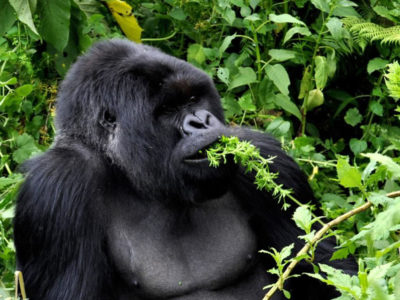
Lutoboka Central Forest Reserve’s medium-altitude moist forest supports a variety of rare and endemic species, including monkeys, birds, and butterflies, making it a critical site for biodiversity conservation.
The reserve’s proximity to Lake Victoria also contributes to its ecological role in regulating water flow and supporting the surrounding ecosystem.
Ecological and Cultural Significance of Lutoboka Central Forest Reserve
Throughout its history, Lutoboka Central Forest Reserve has been recognized for its ecological importance. The reserve forms a belt along the lower ridges of Bugala Island, with a gentle slope from the Lake Victoria shore to the center, creating a unique habitat for diverse flora and fauna.
The forest is part of the Ssese Islands’ broader ecosystem, which is known for its rich birdlife, primate populations, and butterfly species.
Activities such as bird watching, primate identification, forest walks, and butterfly identification have historically drawn eco-tourists to the reserve, highlighting its role as a sustainable tourism destination.
Culturally, the Ssese Islands, including Lutoboka, hold significance for local communities. The islands have been inhabited for centuries, and the forests have provided resources such as timber, medicinal plants, and non-timber forest products.
However, the historical use of these resources has sometimes led to tensions between conservation goals and local needs, a recurring theme in Uganda’s forest management history.
Challenges and Encroachment faced at Lutoboka Central Forest Reserve
In recent decades, Lutoboka Central Forest Reserve has faced significant challenges due to encroachment and pressures from development.
By the early 21st century, Uganda’s forest cover had drastically declined, with only 24% of the country’s land area covered by forests and woodlands as of the late 1980s, down from 75,000 square kilometers.
This decline was driven by agricultural encroachment, illegal logging, charcoal production, and unsustainable land use, issues that have also affected Lutoboka.
Since at least 2019, the reserve has been at the center of a controversy involving encroachment by investors in the hospitality industry.
Reports indicate that some beach owners in Kalangala Town Council have cleared approximately 75 acres of the forest to expand their boundaries, often under the guise of eco-conservation licenses issued by the government.
These licenses were intended to allow eco-friendly activities, but unauthorized tree cutting has raised concerns about the reserve’s integrity.
The National Forestry Authority has acknowledged these issues, with plans to inspect the depleted areas and address illegal activities.
Additionally, local leaders in Kalangala District have been pushing for the degazettement of Lutoboka Central Forest Reserve for the past six years to free up land for the expansion of Kalangala Town, including facilities like a district prison, mortuary, and public cemetery.
This proposal has been contentious, as it requires parliamentary approval, and discussions have been inconclusive due to the need for oversight from the Ministry of Water and Environment or the Cabinet.
In exchange for the 174 hectares of Lutoboka, district leaders have offered 200 acres of alternative land, but the process remains stalled.
Conservation Efforts and Future Outlook of Lutoboka Central Forest Reserve
Despite these challenges, the National Forestry Authority (NFA) continues to manage Lutoboka Central Forest Reserve with a focus on sustainable practices.
The reserve remains part of Uganda’s broader network of protected areas, which cover 6.3% of the country’s land area. Legal activities under the National Forestry Authority’s oversight include timber harvesting, re-planting, and eco-tourism, all aimed at balancing economic benefits with conservation.
The reserve’s trails, such as the one linked to Henry Morton Stanley’s camp, and its biodiversity make it a valuable eco-tourism site, offering activities like boating, sailing, fishing, and sunbathing along Lake Victoria’s shores.
However, the ongoing threat of encroachment and the push for degazettement highlight the delicate balance between development and conservation.
Like other Ugandan forest reserves, such as Nyamakere and Bugamba, Lutoboka faces pressures from human activities, including deforestation and agricultural expansion.
Efforts to counter these threats include increased patrols, community engagement, and promoting alternative livelihoods that align with conservation goals, similar to strategies employed in other reserves.
The history of Lutoboka Central Forest Reserve reflects the broader trajectory of forest conservation in Uganda, from colonial-era protection to modern challenges of balancing development and biodiversity preservation.
Established as a protected area likely during the colonial period, the reserve has played a significant role in the ecological and cultural landscape of the Ssese Islands. Its association with historical figures like Henry Morton Stanley and its rich biodiversity underscore its importance. However, recent encroachment and proposals for degazettement pose serious threats to its future.
The National Forestry Authority’s ongoing efforts to manage the reserve sustainably, coupled with community and governmental support, will be critical to ensuring that Lutoboka remains a vital ecological and cultural asset for future generations.