Entebbe Sailing Club, Entebbe | Uganda
The Entebbe Sailing Club nestled on the serene shores of Lake Victoria, Africa's largest lake and the world's second-largest freshwater body stands as a cherished haven for maritime enthusiasts and leisure seekers in Uganda.
Established in 1964, shortly after the country's independence, the club has evolved into one of Uganda's oldest and most vibrant water sports destinations, blending competitive sailing with relaxed social pursuits.
Located in the picturesque town of Entebbe, just a short drive from Uganda's international airport, it offers breathtaking views of the lake's expansive waters, where gentle breezes invite sailors of all levels to harness the wind.
At its heart, the Entebbe Sailing Club is more than just a dockside facility, it is a community hub fostering adventure and camaraderie.
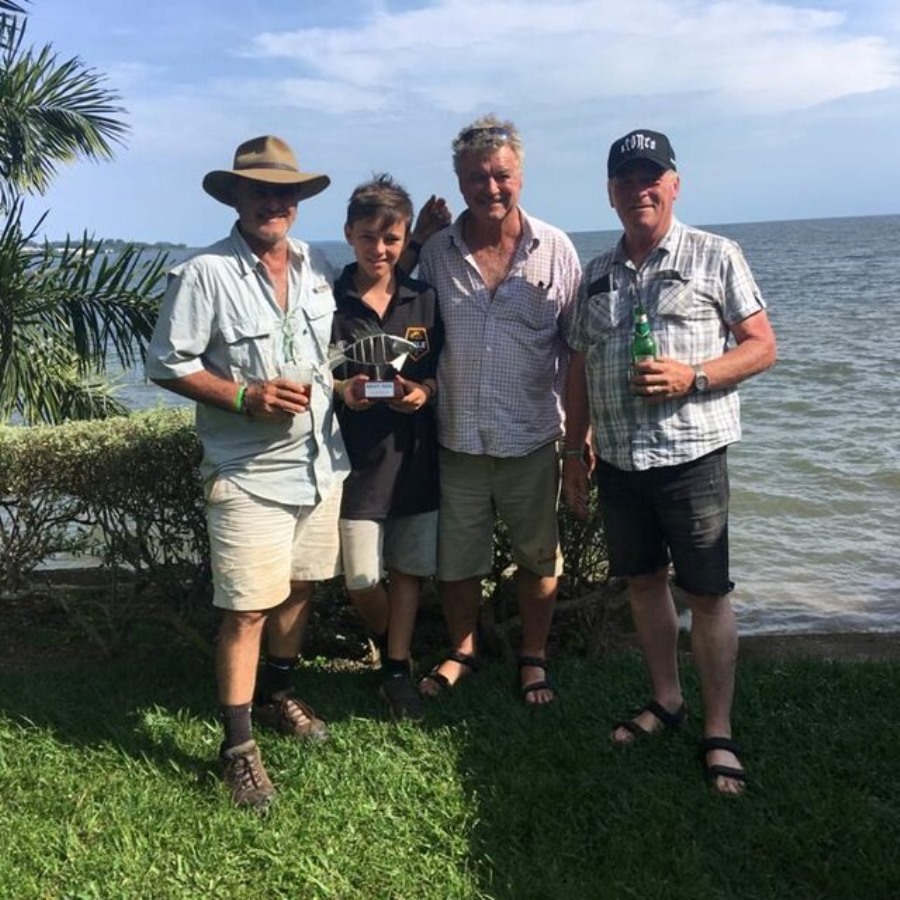
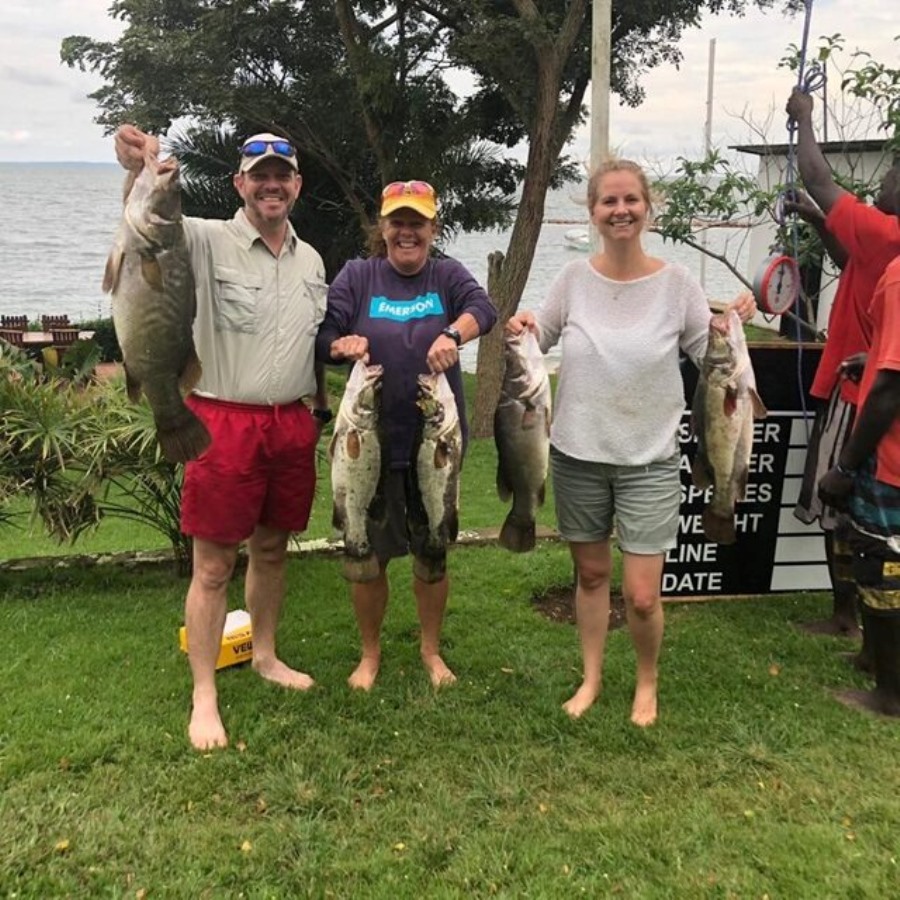
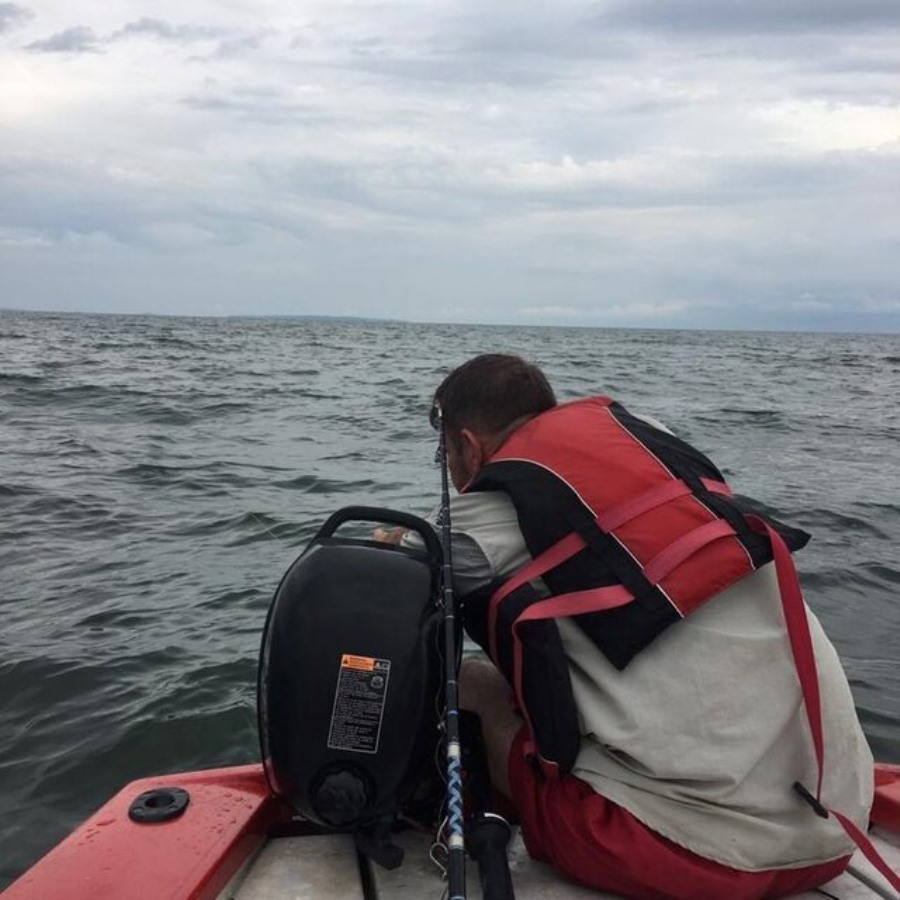
Members and visitors alike can dive into a range of activities, from introductory sailing lessons and weekend regattas to thrilling catamaran races, canoeing, jet skiing, and prime Nile perch fishing expeditions.
The club's idyllic grounds feature a sparkling swimming pool, lush lawns for picnics and barbecues, a well-stocked bar serving craft brews, and cozy overnight bandas for extended stays, making it an ideal weekend getaway for families, friends, or solo explorers.
Open to non-members for a modest fee, it hosts vibrant events like sunset boat cruises to the nearby Ssese Islands, ensuring everyone can experience the magic of Lake Victoria's rhythmic waves.
Whether you're a seasoned skipper chasing trophies or a novice eager to feel the thrill of the sails, the Entebbe Sailing Club embodies the spirit of Uganda's aquatic playground, a place where the horizon meets hospitality, and every visit promises a refreshing escape.
Location of Entebbe Sailing Club, Uganda
Entebbe Sailing Club is nestled on the tranquil shores of Lake Victoria, the world’s second-largest freshwater lake.
The club occupies a scenic stretch of shoreline characterized by soft sandy beaches and clear, shallow waters ideal for sailing and water sports.
Entebbe Sailing Club Proximity to Major Hubs
- Entebbe Sailing Club lies within the municipality of Entebbe in Uganda’s Central Region, approximately 40 km southwest of Kampala along the Entebbe–Kampala Highway.
- Entebbe International Airport is just a few minutes’ drive north of the clubhouse, making it easily accessible to both domestic and international visitors.
- Nearby attractions include the Entebbe Botanical Gardens to the east and the Uganda Wildlife Education Centre to the south, enriching the club’s leisure offerings.
Access and Coordinates
Entebbe Sailing Club can be found at the plus code 3FFP+5FM on the eastern shore of Lake Victoria. Road access is via the well-maintained Entebbe–Kampala Highway, with clear signposting to the club entrance off the main thoroughfare.
Entebbe Sailing Club Physical and Climatic Features
- The shoreline gently slopes into Lake Victoria, providing safe launch points for dinghies, catamarans, and keelboats.
- Prevailing winds from the southeast create reliable sailing conditions nearly year-round.
- The equatorial climate is moderated by the lake’s mass, yielding warm days averaging 25 °C and refreshing breezes in the late afternoon.
Entebbe Sailing Club Surrounding Environment
The club’s verdant grounds overlook a mosaic of riparian vegetation and cultivated lawns. Birdlife is abundant, with kingfishers, herons, and African fish eagles often seen hunting along the water’s edge.
A dedicated boat storage area and clubhouse terrace offer uninterrupted lake views, reinforcing the site’s appeal as both a sporting venue and a weekend retreat.
History of Entebbe Sailing Club, Uganda
The Entebbe Sailing Club, one of Uganda's oldest and most enduring water sports institutions, traces its origins to the eve of the country's independence from British colonial rule.
Nestled on the tranquil shores of Lake Victoria in the lakeside town of Entebbe, the club has served as a vital hub for sailing enthusiasts, fostering a blend of competitive racing, recreational boating, and community engagement for over six decades.
Entebbe Sailing Club’s story reflects broader themes in Ugandan history: the transition from colonial leisure pursuits to post-independence resilience, navigating political turbulence, economic challenges, and a growing emphasis on inclusivity in sports.
From humble beginnings as an informal gathering of boating aficionados to a vibrant facility offering lessons, regattas, and social events, the ESC embodies the enduring allure of Lake Victoria's windswept waters.
Founding and Early Years of Entebbe Sailing Club(Pre-1964)
The seeds of the Entebbe Sailing Club were sown in the late 1950s, shortly before Uganda's independence on October 9th, 1962.
A group of like-minded individuals, primarily expatriates, colonial officials, and local elites with a passion for sail and power boating, began informally assembling on the Entebbe foreshore.
Entebbe, then the administrative capital of the British Protectorate of Uganda, was a hub for European-style recreation, complete with golf courses, botanical gardens, and yachting traditions borrowed from the British Isles.
Lake Victoria, Africa's largest lake, provided an ideal playground with its consistent onshore breezes that peak between 11:00 a.m. and 3:00 p.m, allowing sailors to navigate safely past landmarks like the Botanical Gardens and small islands while remaining within sight of shore.
This nascent group formed the "nucleus" of what would become the Entebbe Sailing Club, drawing inspiration from earlier sailing traditions on the lake.
Notably, the Victoria Nyanza Sailing Club (VNSC) at Kaazi, established in 1935 by twenty enthusiasts, had already popularized competitive sailing in the region, including the inaugural Kaazi-to-Entebbe race in 1939, a grueling marathon that persists today.
The Entebbe Sailing Club's founders likely participated in these early inter-club exchanges, blending sail with power boating to appeal to a diverse crowd.
Though not formally registered until later, these gatherings laid the groundwork for organized activities, emphasizing camaraderie over competition in the optimistic pre-independence era.
Formal Establishment and Growth (1964–1970s)
The club was officially founded in 1964, just two years after independence, marking a pivotal moment of national rebirth.
Following the election of its first committee, the group secured a modest plot of land on the Entebbe foreshore from local authorities, transforming informal meetups into a structured entity.
This lease provided a permanent base, complete with basic docking facilities and storage for dinghies and small yachts.
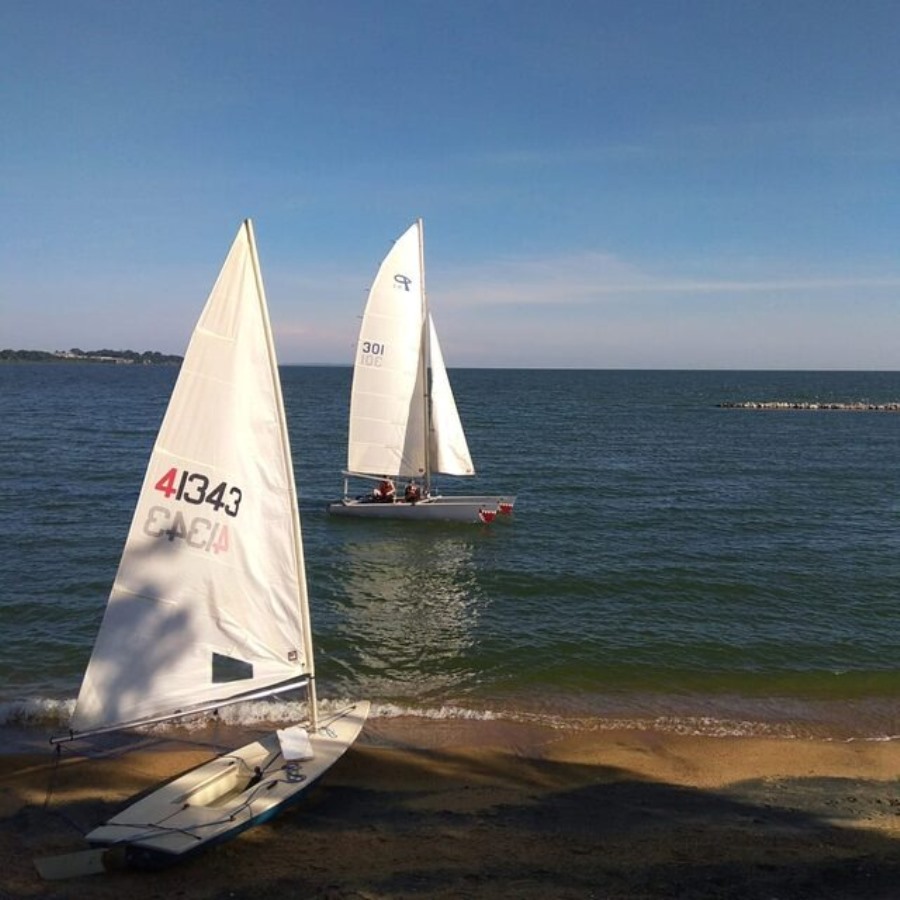
Early activities focused on introductory sailing lessons, weekend races in Lasers and catamarans, and social barbecues, attracting a mix of Ugandan civil servants, diplomats, and expatriates.
The club's ethos as a "recreational" rather than publicity-seeking organization was established early, prioritizing low-key enjoyment over fanfare.
The late 1960s saw initial expansions, including the addition of a small beach area and picnic lawns, capitalizing on Entebbe's serene environment near the international airport.
However, this period of growth coincided with Uganda's descent into political instability under President Milton Obote's increasingly authoritarian rule.
The 1971 coup by Idi Amin Dada ushered in a brutal dictatorship, marked by economic isolation, expulsion of Asians in 1972, and widespread infrastructure decay.
Like many colonial-era institutions, such as the Entebbe Institute (formerly the Goan Institute) and the Lake Victoria Hotel, the ESC faced severe challenges.
Membership dwindled as expatriates fled, funding dried up amid hyperinflation, and maintenance lagged, leading to dilapidated facilities by the mid-1970s.
Reports from the era describe a "gradual decay" of Entebbe's recreational sites, with the club barely operational during Amin's reign (1971–1979), which included the infamous 1976 Entebbe Airport hijacking and raid.
Despite this, a core of dedicated local members kept the flame alive, organizing sporadic races and community fishing outings for Nile perch, preserving the club's spirit amid national turmoil.
Revival and Expansion in the Post-Amin Era (1980s–1990s)
The fall of Amin in 1979 and the subsequent stabilization under President Yoweri Museveni in 1986 breathed new life into the Entebbe Sailing Club.
As Uganda rebuilt its economy and tourism sector, the club reemerged as a symbol of resilience.
By the 1980s, it had formalized partnerships with neighboring clubs, including the Victoria Nyanza Sailing Club (VNSC) at Kaazi and Jinja Sailing Club, hosting joint regattas that drew competitors from Kenya's Naivasha and Kisumu Yacht Clubs.
The 1990s marked a golden age of competitions, with regular inter-club events blossoming into a regional calendar.
Visitors from defunct clubs like those in Jinja and Kaazi (now consolidated under Victoria Nyanza Sailing Club) participated in Entebbe's races, underscoring the Entebbe Sailing Club's superior wind conditions on Lake Victoria, the best in Uganda for water sports.
Infrastructure upgrades followed: a swimming pool was added for non-sailing members, alongside a well-stocked bar serving craft brews, cozy overnight bandas (huts), and lush lawns for picnics.
Entebbe Sailing Club opened to non-members for a modest fee, democratizing access to activities like canoeing, jet skiing, and introductory sailing lessons.
This inclusivity helped counter the perception of sailing as an elite, expatriate-dominated sport—rooted in colonial times and exacerbated by high entry costs.
By the decade's end, the Entebbe Sailing Club was hosting weekend regattas with up to 26 participants, though Ugandan representation remained low for example only three locals in a 2019 event, highlighting ongoing efforts to broaden participation.
Modern Era and Community Legacy (2000s–Present)
Entering the 21st century, the Entebbe Sailing Club solidified its role as a multifaceted getaway, blending sport with leisure.
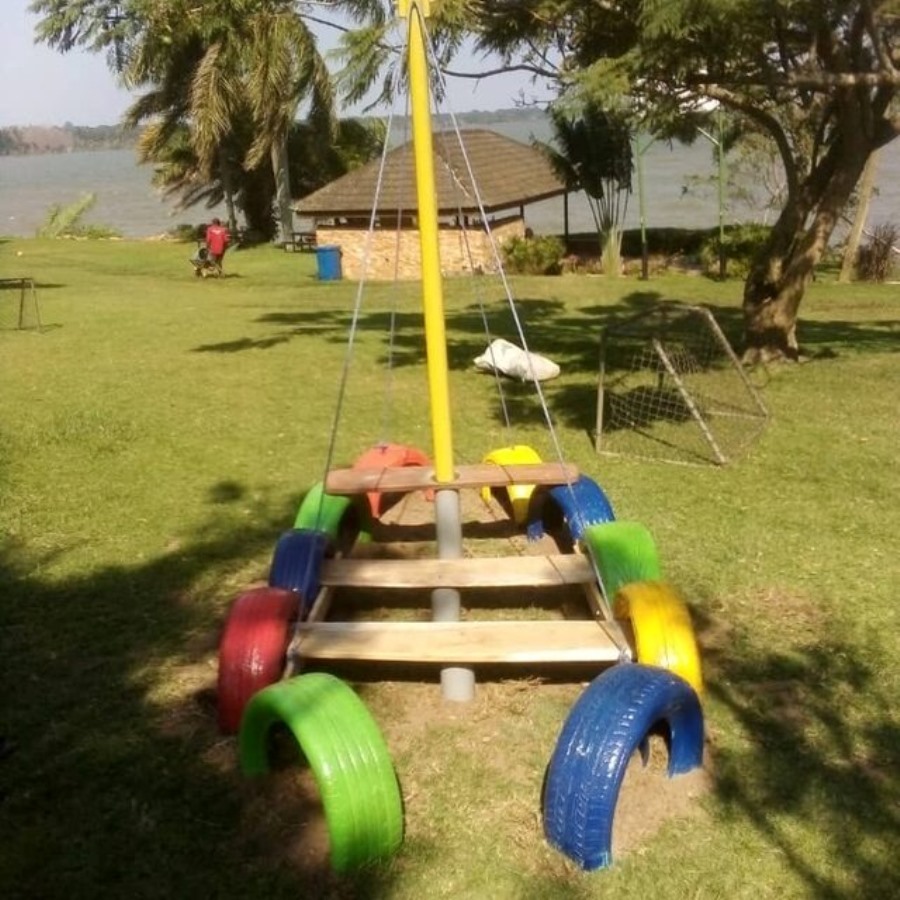
Expansions included sunset boat cruises to the Ssese Islands, prime fishing expeditions, and family-friendly amenities like a children's play area.
Despite broader concerns about decaying colonial infrastructure in Entebbe, exemplified by the near-demolition of historic sites like the Entebbe Institute around 2010, the Entebbe Sailing Club avoided major decline through proactive member involvement.
The sailing club has consistently engaged in local community activities, from youth sailing clinics to environmental clean-ups on Lake Victoria, aligning with Uganda's push for sustainable tourism.
Today, as of 2025, the club remains a weekend haven for locals and visitors, with a busy calendar of events including Laser races and catamaran challenges.
Membership is open, with options for boat rentals and guest passes, and it continues to host regional competitions that honor its ties to the Victoria Nyanza Sailing Club's 90-year legacy.
Notable figures, like young sailor Max Hormaens (who placed 9th in a 2019 regatta after sailing from Kaazi), exemplify the club's nurturing of talent.
Challenges persist, such as occasional infrastructure wear and low local uptake due to cultural water fears, but the Entebbe Sailing Club's commitment to accessibility and safety (with always-available rescue boats) ensures its vitality.
In essence, the Entebbe Sailing Club's history is a microcosm of Uganda's journey: from colonial roots and turbulent independence to a stable, inclusive present.
Over 60 years, it has weathered storms both literal and figurative, emerging as a beacon of adventure on Lake Victoria's horizon, where the wind still whispers promises of new horizons.