
Uganda, known as “The Pearl of Africa,” is set for an exciting 2026 travel season, blending cultural richness with sustainable tourism.
From immersive coffee tours and tea farm tours to thrilling wildlife safaris, this East African destination offers diverse experiences.
Highlighted by the upcoming Uganda Tourism Coffee & Tea Expo in Cairo (November 20th-21st, 2025), Uganda is showcasing its world-class coffee and tea industries while promoting its stunning biodiversity.
Dive into what makes Uganda a top destination in 2026, including its coffee history, growing regions, tea farms, and efforts to achieve the Sustainable Development Goals (SDGs) through coffee.
Uganda Tourism: A Blend of Nature and Culture
Uganda’s tourism sector is thriving, with the Uganda Wildlife Authority managing 10 national parks, including Bwindi Impenetrable and Queen Elizabeth, home to half the world’s mountain gorillas.
In 2026, expect enhanced wildlife safaris in Uganda featuring gorilla trekking, chimpanzee tracking in Kibale Forest, and boat safaris along the Nile.
The country’s diverse landscapes, from the Rwenzori Mountains to Lake Victoria, promise unforgettable adventures.
The Expo announcement signals a global push to attract visitors with authentic experiences like local cuisine and cultural performances.
Coffee Tours: Savor the Flavor of Uganda
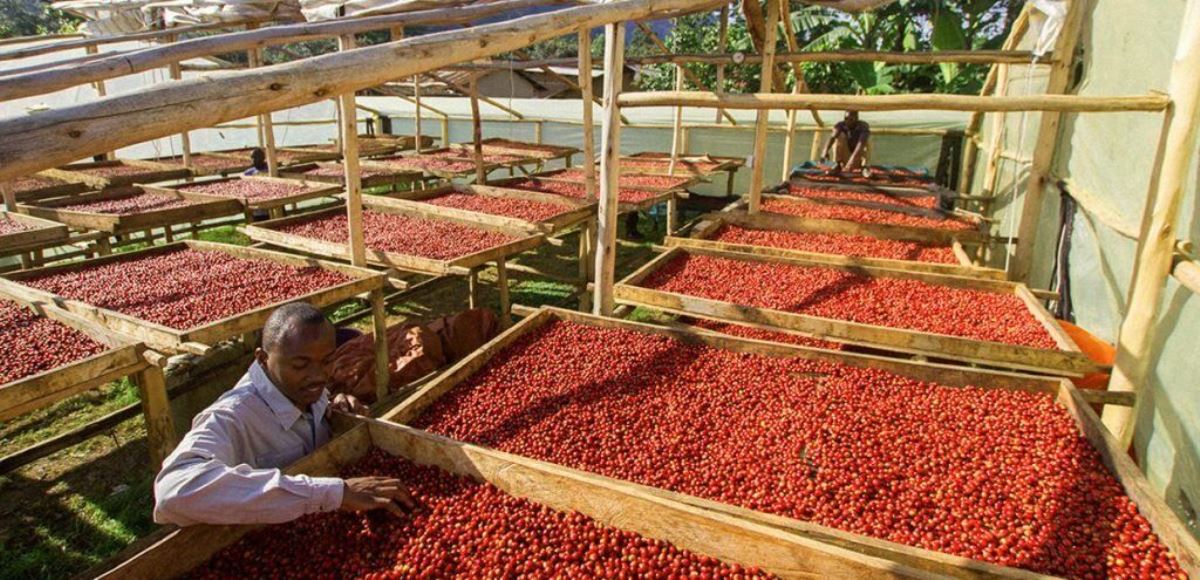
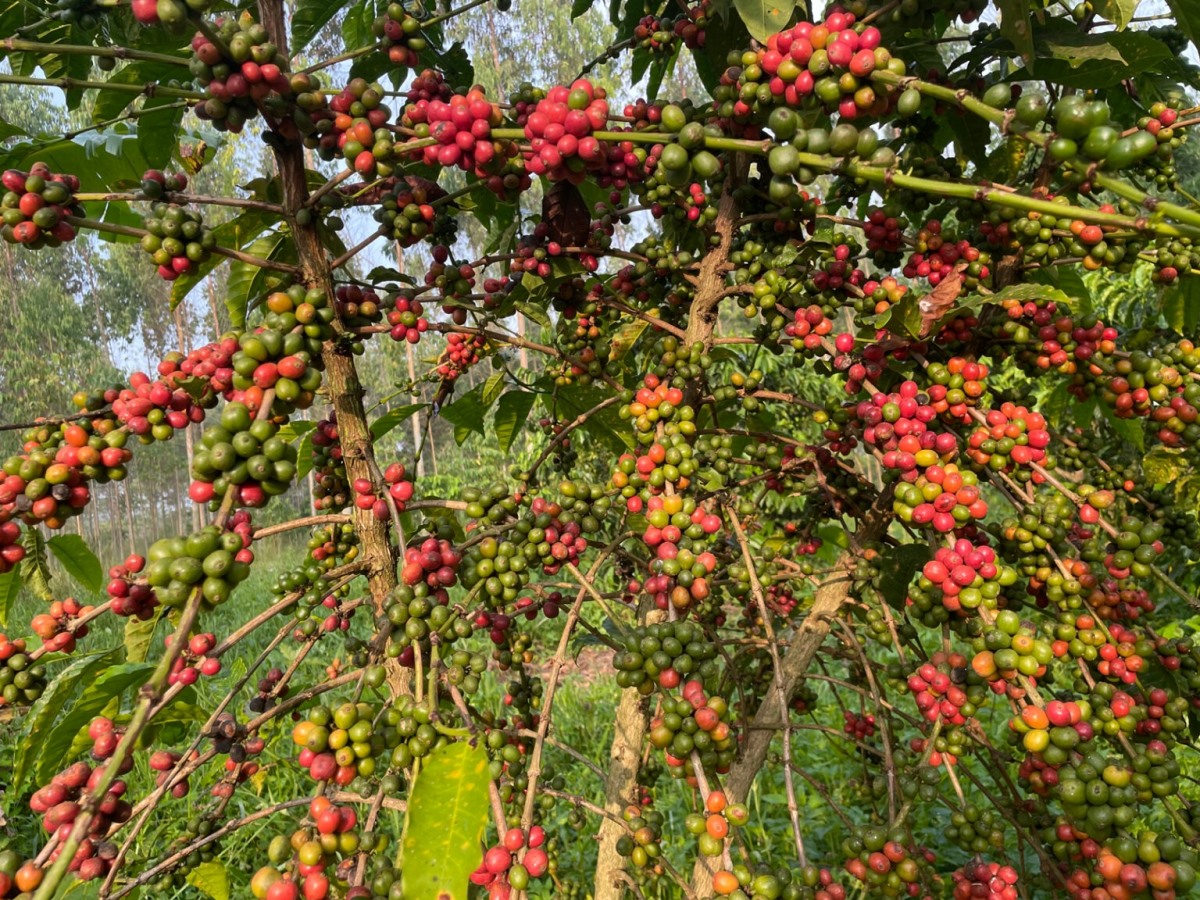
As Africa’s third-largest coffee producer, exporting over 6 million bags annually (per International Coffee Organization data), Uganda offers exceptional coffee tours. Visit plantations near Mount Elgon to witness the journey from bean to cup, tasting both robusta and arabica varieties.
Initiatives like the Kibale Wild Coffee Project promote sustainable harvesting and empower local communities, making these tours ideal for eco-conscious travelers.
Learn about Arabica Coffee vs Robusta Coffee and Uganda’s coffee growing regions to enhance your experience.
Tea Farm Tours: Scenic Beauty Meets Sustainability
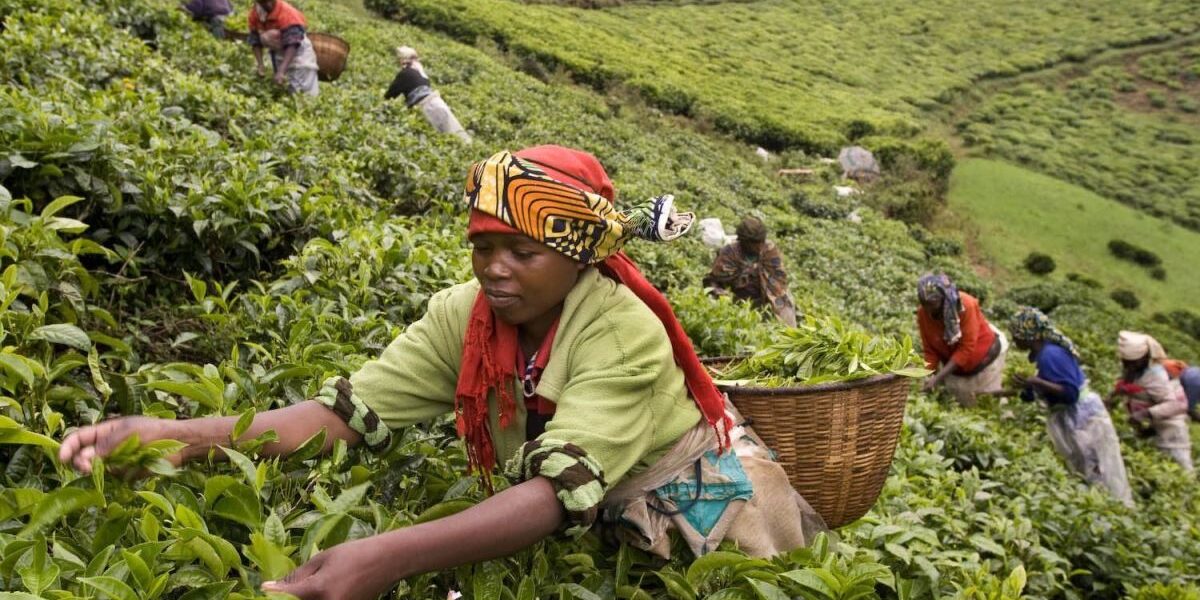
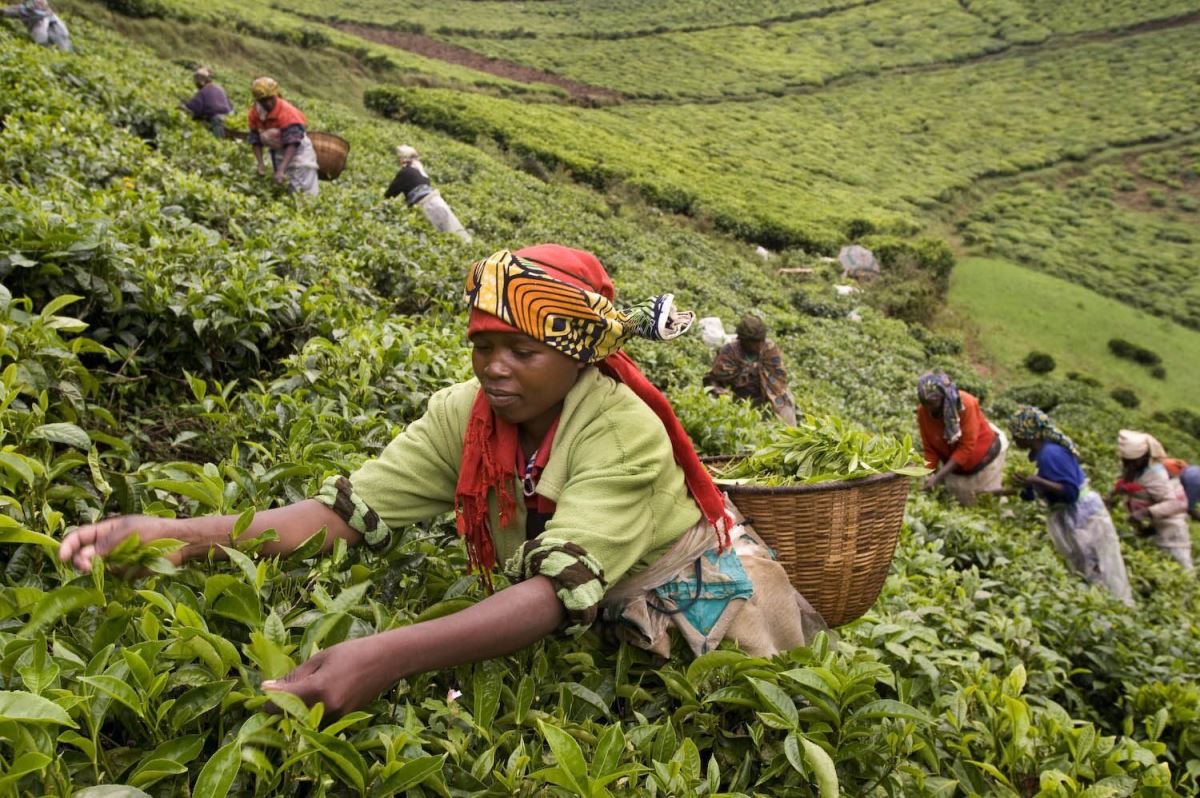
Uganda’s tea industry shines with picturesque tea fields, particularly around Fort Portal near Kibale Forest National Park.
In 2026, tea farm tours in Uganda will offer stunning views and insights into organic farming, supported by two rainy seasons that enable year-round production.
These tours empower local women through vocational training. Don’t miss Kasaku Tea Farm Near Kampala or explore Mpanga Tea Factory Tours and tea factories in Western Uganda for a deeper dive into tea culture.
Uganda Coffee History: A Legacy of Resilience
Uganda’s coffee history stretches back centuries, with robusta cultivation dominating since the colonial era.
Production plummeted to 1,000 tons in the 1980s due to economic challenges, but the Uganda Coffee Development Authority’s 1991 establishment sparked a revival.
Today, over 191,700 hectares are dedicated to robusta, and 33,000 to arabica, though much is smuggled to neighboring countries for higher prices.
This resilient industry, rooted in Uganda coffee history, is a must-know for travelers and coffee lovers.
Uganda’s Wildlife Safaris 2026: What to Expect
Prepare for an upgraded safari experience in 2026! Uganda’s wildlife safaris will feature new trails in Kidepo Valley and enhanced ranger-led tours in Murchison Falls National Park.
With the Uganda Wildlife Authority expanding community wildlife areas, expect closer encounters with elephants, lions, and the rare shoebill stork.
Book early for Uganda wildlife safaris 2026 to secure spots for multiday treks and white-water rafting on the Nile.
Using Coffee to Achieve Sustainable Development Goals (SDGs) in Uganda Uganda is leveraging its coffee industry to meet the United Nation’s Sustainable Development Goals (SDGs).
Projects like the Kibale Wild Coffee Project, supported by the World Bank, ensure sustainable harvests while providing fair wages to workers, including HIV-positive widowers.
These efforts align with Sustainable Development Goal 1 (No Poverty) and Sustainable Development Goal 8 (Decent Work and Economic Growth).
By joining coffee tours supporting Sustainable Development Goals, travelers contribute to a greener, more equitable Uganda.
Arabica Coffee vs Robusta Coffee: What Sets Them Apart
Uganda produces both Arabica Coffee vs Robusta Coffee, each with distinct flavors. Arabica, grown in high-altitude regions like Mount Elgon, offers a sweeter, fruity taste with ovular, oily beans.
Robusta, thriving in lowlands like Buganda, has a harsher, caffeine-rich profile, ideal for instant coffee. Understanding these differences enhances your coffee tour experience and appreciation of Uganda’s diverse coffee culture.
Uganda Coffee Growing Regions: A Journey Across the Land
Uganda’s coffee thrives in regions like Buganda, Rwenzori, Bugisu, and Sebei. Robusta dominates lowlands, while arabica flourishes in high-altitude areas like Mount Elgon and the Rwenzoris.
These Uganda coffee growing regions offer unique terroirs, with Nganda and Erecta varieties adding to the country’s global robusta leadership.
Explore these areas on guided tours for an authentic taste of Uganda’s coffee heritage.
Tea Farms in Uganda: A Growing Legacy
Tea farming in Uganda spans regions like South Western Uganda (Greater Ankole and Kigezi), western Uganda (Kyenjojo and Kabarole), and central areas like Mityana.
With over 80,000 households involved, tea farms in Uganda produce 3.5 million kilos annually, contributing $89.95 million in exports (2015 data).
These farms, supported by initiatives like National Agricultural Advisory Services (NAADS), offer scenic tours and insights into sustainable tea production.
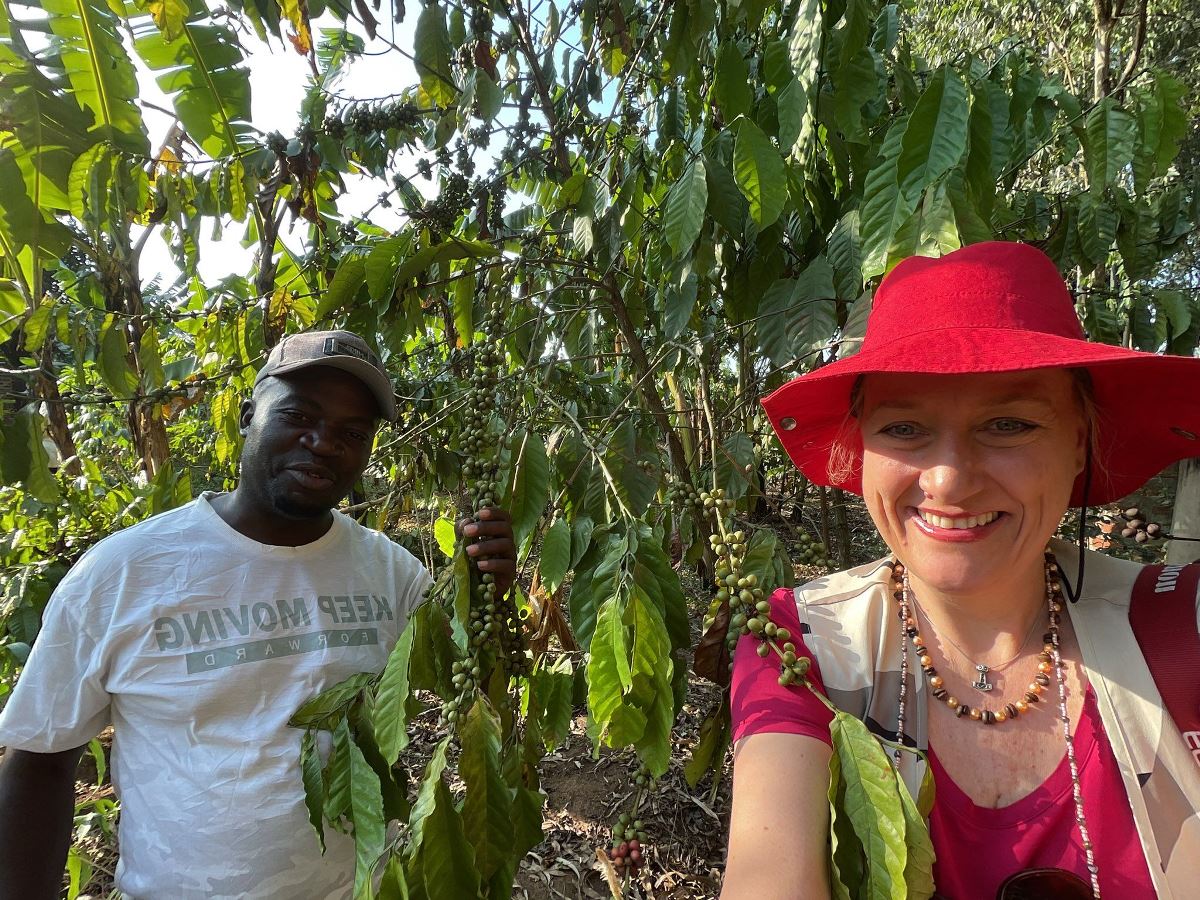
Kasaku Tea Farm Near Kampala: A Must-Visit Destination
Located near Lugazi, Kasaku Tea Farm Near Kampala is a highlight for tea enthusiasts. Operated by Uganda Tea Corporation Limited, this estate produces 10% of Uganda’s tea output (over 3.5 million kilos annually).
Visitors can tour the fields, learn about processing, and enjoy freshly brewed tea, making it a convenient stop from Kampala for a half-day trip.
Mpanga Tea Factory Tours: A Deep Dive into Tea Production
Mpanga Tea Factory Tours in Kabarole District offer a fascinating glimpse into Uganda’s tea industry.
Established in 1995 as a public limited company owned by smallholder farmers, Mpanga produces high-quality tea for local and export markets.
Visitors can don white gowns, wear hair caps, and follow the five-step tea-making process, from plucking to packaging.
These tours, enhanced for 2026, provide hands-on learning and support local livelihoods.
Tea Cycling Trip: Adventure Through Uganda’s Tea Lands
For an active twist, join a tea cycling trip in 2026, blending exercise with scenic beauty. Cycle through tea plantations in Jinja and Lake Mburo National Park, covering 30-35 km over 4-5 hours.
This trip, part of an 8-day Uganda cycling tour, includes visits to local communities and wildlife viewing, with a picnic lunch by Lake Mburo. This is an eco-friendly way to explore Uganda’s tea heritage.
Tea Factories in Western Uganda: A Regional Hub
Western Uganda is home to several tea factories in Western Uganda, including Mpanga, Igara, and out-grower facilities in Bushenyi and Kabarole.
These factories, supported by manual drying traditions and privatization efforts since the 1990s, produce premium tea for export.
In 2026, guided tours will highlight sustainable practices and the region’s role in Uganda’s $89.95 million tea export industry.
Plan Your 2026 Trip to Uganda
With the Uganda Tourism Coffee & Tea Expo setting the stage, 2026 is the perfect year to explore Uganda. Combine coffee tours, tea farm visits (including Kasaku and Mpanga), tea cycling trips, and wildlife safaris for a holistic experience.
Visit our website for booking tips, best times to visit, and package deals. Whether you’re a foodie, nature lover, or sustainability advocate, Uganda has it all!
Ready for an East African adventure? Contact us today at info@responsibletourismcompany.com or visit www.responsibletourismcompany.com to book your adventure and support responsible tourism in Uganda!
Book Cars + Hotels in Uganda
Get Uganda Car Rental & Uganda Hotel Deals in Uganda When You Book Them Together! Find deals from $50 per by comparing on Responsible Tourism Company. Visit our website. Responsible Tourism Company Rental Cars https://responsibletourismcompany.com/transportation-services/
Book tours with Responsible Tourism Company for an unforgettable experience from wildlife safari tours, adventure tours among others on our Uganda Tour Packages.