
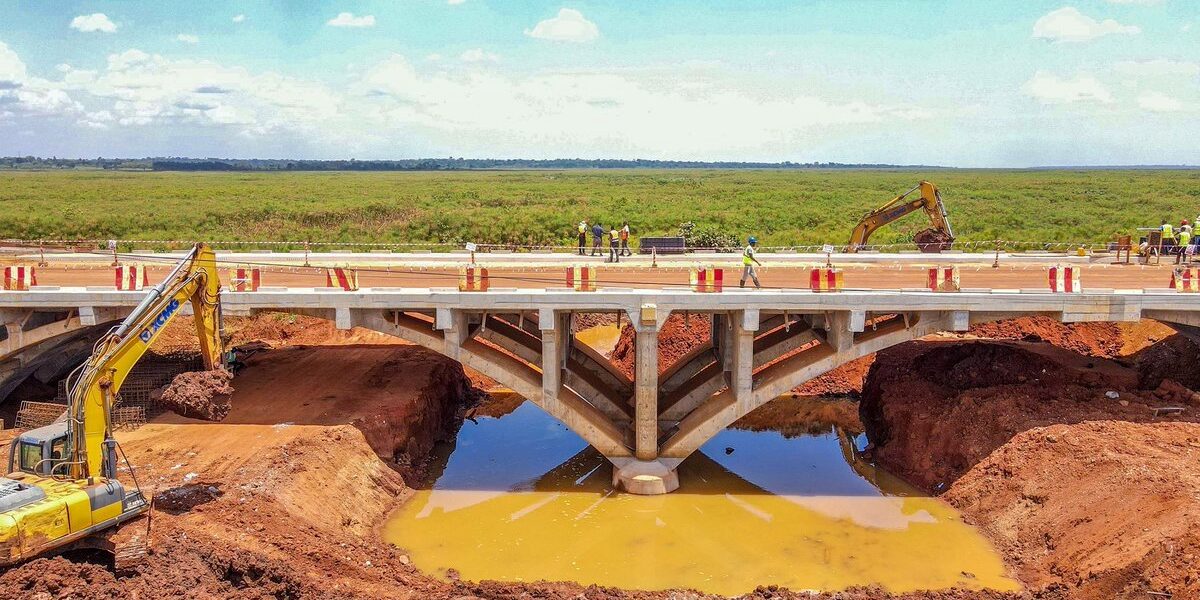
The Ministry of Works and Transport in Uganda has announced that the new Ssezibwa Bridge on the Kampala-Gayaza-Kalagi-Kayunga Road has reached 76% completion.
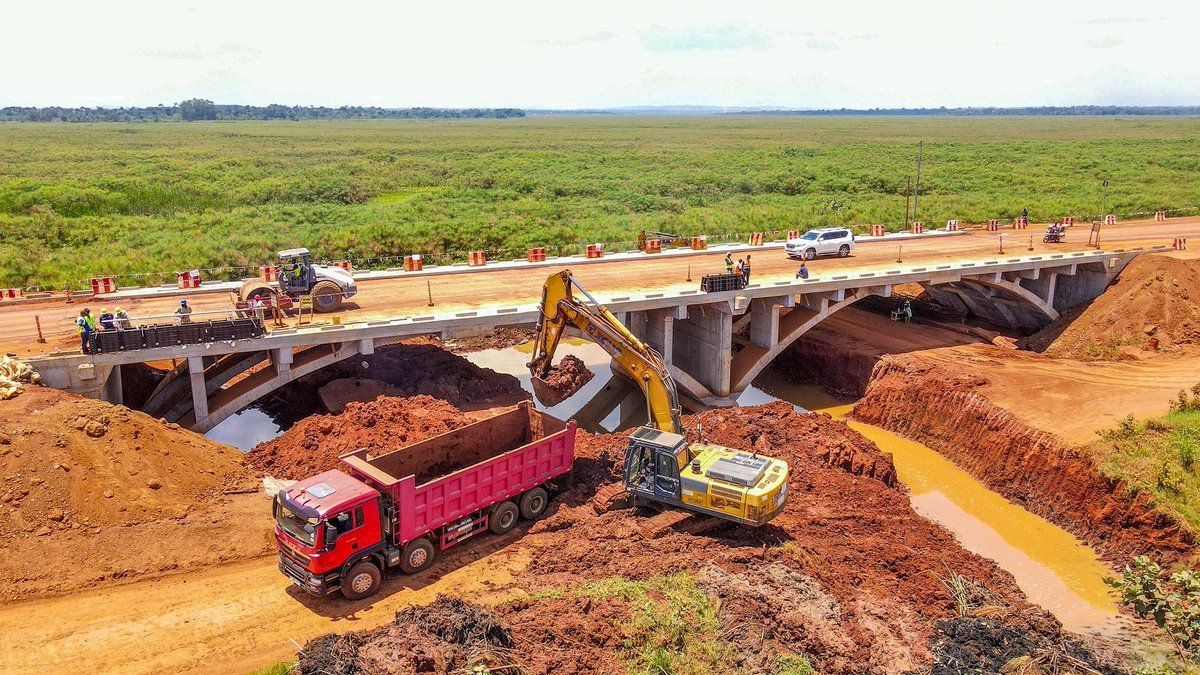
The main structure and box culverts of the new bridge are finished, with embankment works and demolition of the old bridge ongoing.
This striking 60-metre, two-span reinforced-concrete arch bridge is Uganda’s first of its kind and is designed for strength, longevity for up to 120 years, and better environmental flow.
Once open, the new Ssezibwa bridge will transform travel for motorists, traders and tourists heading into Kayunga District and beyond.
Why the Ssezibwa Bridge Is Crucial to the Destination
The previous 70-year-old Ssezibwa Bridge had deteriorated, restricting heavy vehicles and forcing long, costly detours, especially during rains.
This disrupted the transport of sugarcane, pineapples, bananas, coffee and other produce from Kayunga District.
The new Ssezibwa Bridge restores reliable year-round access between Mukono and Kayunga Districts, improves links to Kamuli, Buyende and Nakasongola towns, reduces travel time and costs, and supports local economies.
For travellers, it opens smoother routes to cultural sites, farms, Lake Kyoga wetlands and the Nile area, making Kayunga a more viable day-trip or overnight destination from Kampala.
Ssezibwa Falls vs Ssezibwa River
Ssezibwa River is a roughly 150 km waterway that rises in wetlands near Ngogwe in Buikwe District, between Lake Victoria and Lake Kyoga.
The river flows generally northward through Mukono and Kayunga districts before emptying into Lake Kyoga near Galiraya town in Kayunga District.
Ssezibwa River’s Luganda-derived name is linked to the idea of an unstoppable path “My path cannot be blocked”.
Ssezibwa Falls, also spelled Sezibwa is a scenic feature of the river located about 32 km east of Kampala City in Mukono District, roughly 1-2 km off the Kampala-Jinja Highway near Kayanja, a trading centre along the highway in the Mukono area of central Uganda.
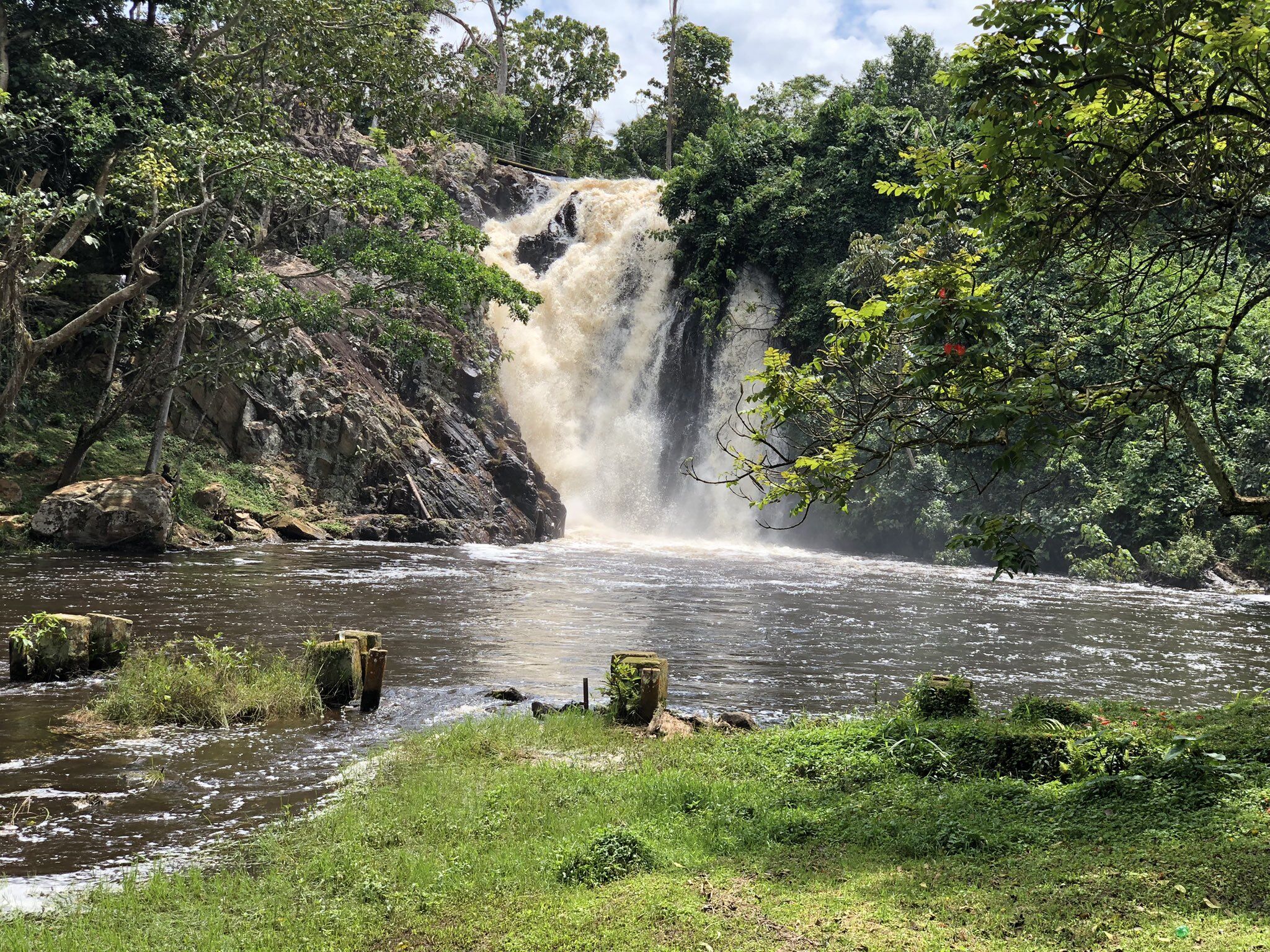
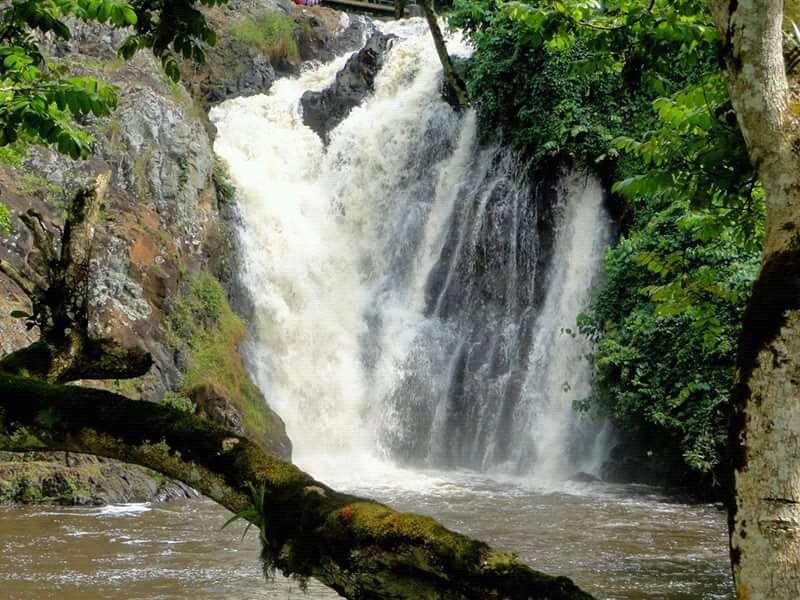
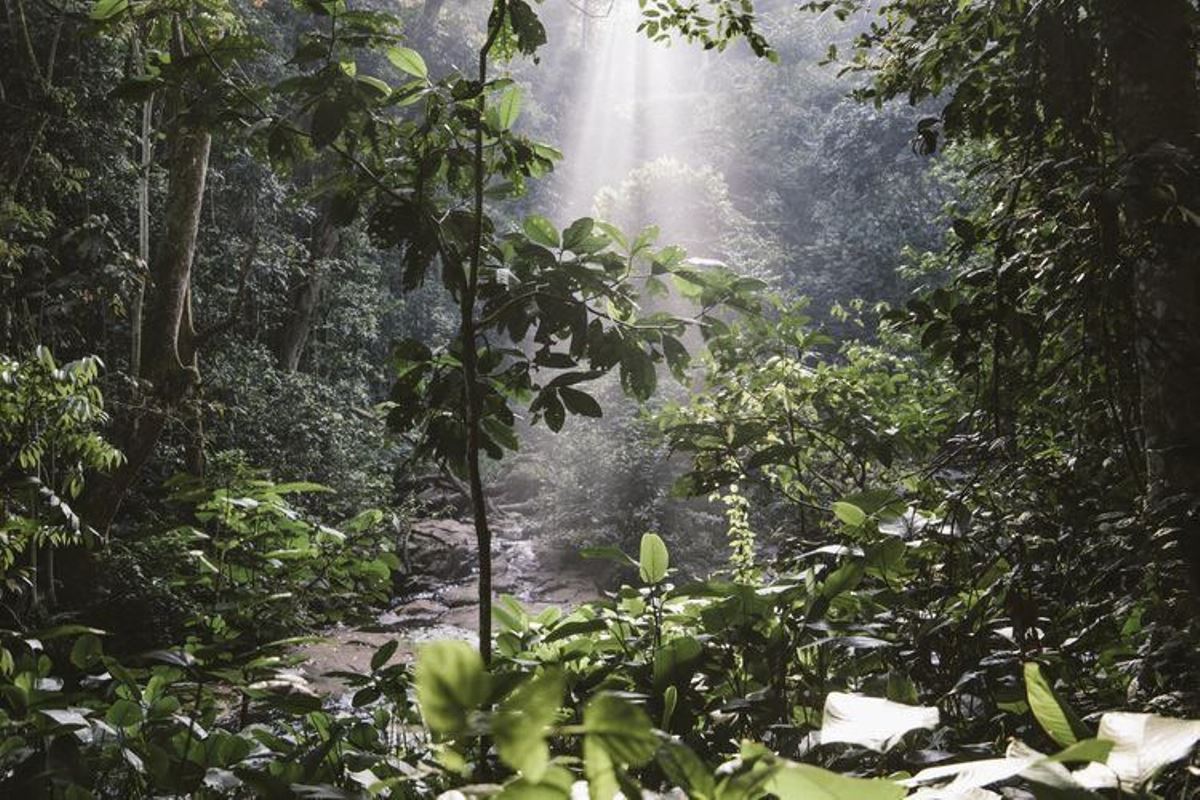
Water squeezes through rocky openings and drops approximately 7-17 metres into a deep pool, creating a dramatic cascade surrounded by forest, fig trees, bamboo and sharp-edged rocks.
The tourism site holds deep cultural and spiritual significance for the Baganda people, linked to folklore about a woman who gave birth to twin rivers. Shrines and traditional ritual sites remain active.
In short, the Ssezibwa Falls are a beautiful, accessible highlight on the upper/mid section of the longer Ssezibwa River system.
Where the Ssezibwa River Water Flows and Outs
The Ssezibwa River begins in elevated wetlands west of the Victoria Nile, courses northward across central Uganda, and discharges into the expansive Lake Kyoga system in Kayunga District.
From there, waters contribute to the broader Nile basin. Seasonal variations affect flow; conservation of the surrounding wetlands and forests is important for maintaining water levels and the health of the falls.
Nearby Attractions to the New Ssezibwa Bridge
- Ssezibwa Falls: Nature walks, birdwatching (dozens to nearly 200 species reported), photography, cultural visits and primate spotting (vervet and red-tailed monkeys).
- Mabira Forest Reserve: Hiking and biodiversity close by.
- Kayunga Central Market and local farms: Fresh produce and agro-tourism experiences.
- Lake Kyoga wetlands and shores: Birding and boat trips.
- Kalagala / Itanda area and Nile stretches: Scenic views, white-water opportunities and riverside lodges a bit further on.
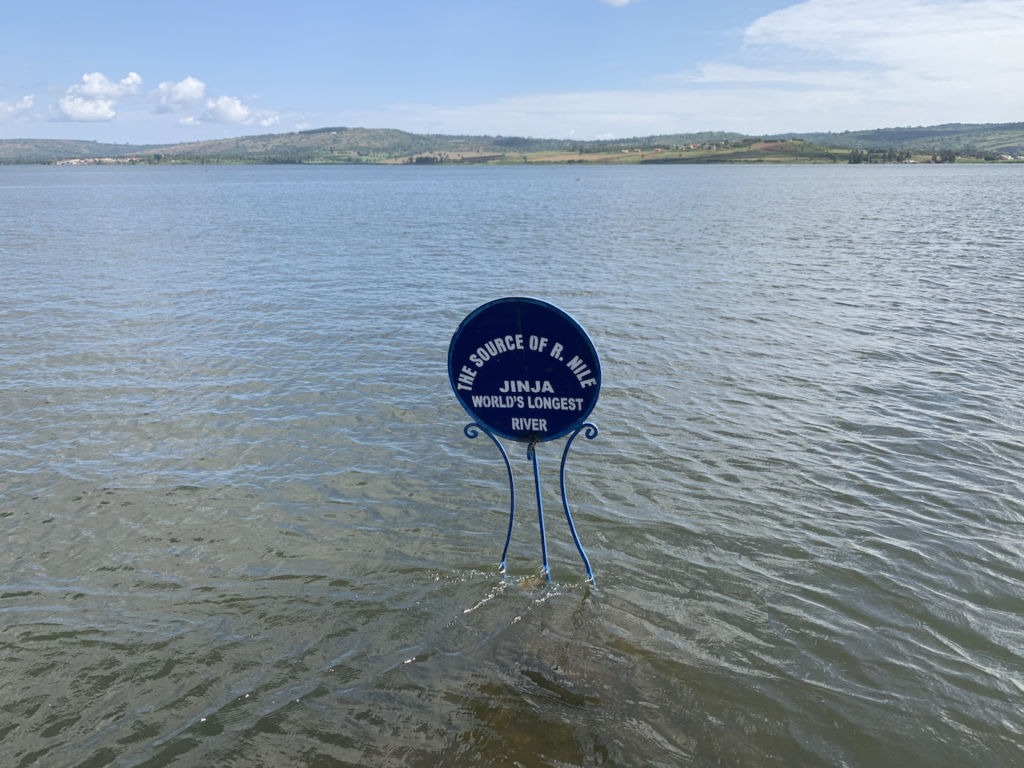
- Jinja (Source of the Nile, Bujagali) Easy extension once road access improves.
- Cultural sites including Buganda heritage points and the Ssabanyala’s palace area in Kayunga.
Things to Do near the New Ssezibwa Bridge
- Guided nature and primate walks at Ssezibwa Falls.
- Birdwatching across forest, river and garden habitats.
- Cultural and spiritual site visits respect local customs and shrines.
- Photography and relaxation by the Ssezibwa Falls and river.
- Agro-tourism and market visits in Kayunga District.
- Boat rides or canoeing where available on the river or Nile/Kyoga systems.
- Community walks and local food experiences.
Cycling Tours Around the Kayunga District
Quiet roads, farm tracks and scenic routes through Mukono District and toward Kayunga District offer excellent cycling.
Organised cycling tour options include guided mountain-bike tours from the Kampala/Mukono area that combine boat transfers across Lake Victoria arms with rides through villages, tea/farm landscapes and a stop at Ssezibwa Falls (some tours cover significant distances and suit intermediate riders).
Local cycling hubs and routes exist along the Kayunga Road corridor. Once the new bridge is fully open, multi-day or longer district loops become even more practical.
You can also book the following tours with us at Responsible Tourism Company;
- Grade 5 Half Day Extreme Rafting Adventure Tour
- Full Day Bungee Jumping & River Bugging Tour
- White Water Rafting and Bungee Jumping Tour
- Bungee Jumping & River Club Lunch trip
- VIP Rafting or Kayaking Adventure Tour
Nearby Accommodation to the New Ssezibwa Bridge
Options near Ssezibwa Falls (Mukono side) include the on-site or nearby Ssezibwa Falls Resort/campsite for basic or nature-focused stays, plus mid-range choices such as Nakoosi Eco Lodge, BushBaby Lodge, Martha’s Farmhouse and Riverside Woods Resort Ssezibwa along the Kampala–Jinja corridor.
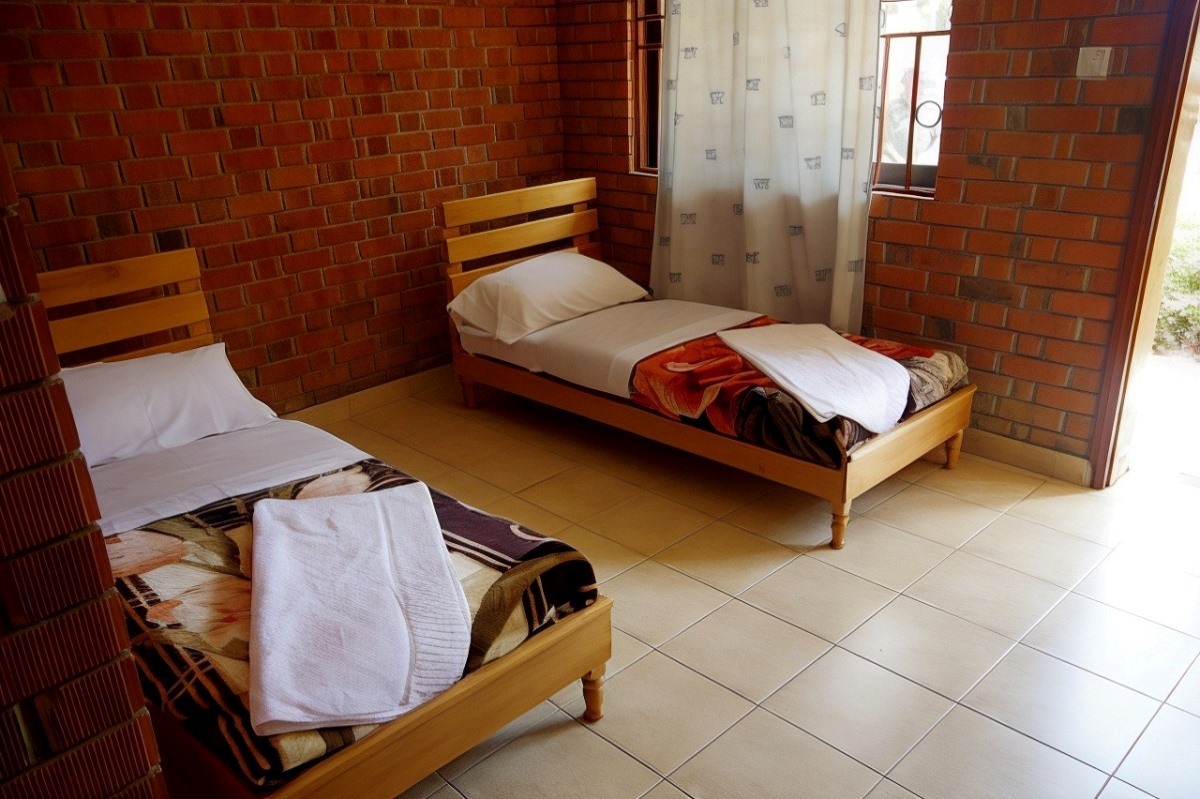
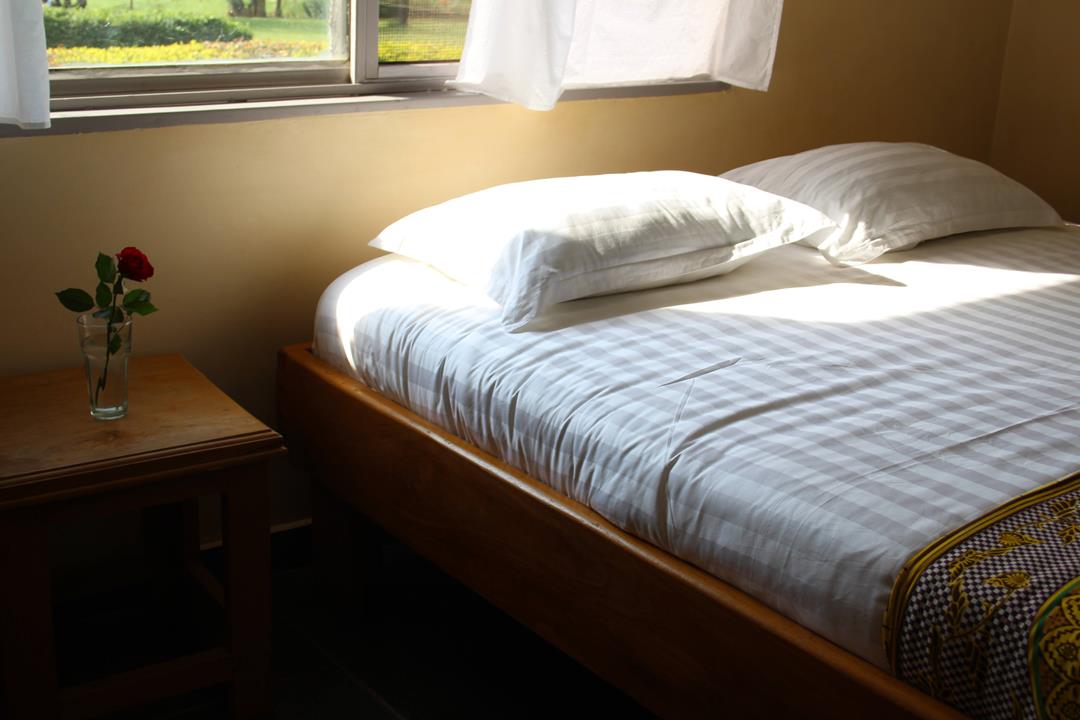
In and around Kayunga District, expect simpler guesthouses and town lodges, with higher-end riverside properties for example Lemala Wildwaters Lodge, Adrift options closer to the Nile River and Kalagala area.
Many visitors base themselves in Kampala, Mukono or Jinja areas for day trips, especially while final bridge works continue.
Private Tours from Kampala City
Private day trips to Ssezibwa Falls are straightforward about 45 to 60 minutes one way under normal conditions.
Longer private itineraries can combine the Ssezibwa Falls with Mabira Forest, Kayunga markets/farms, or Nile River experiences.
With the new Ssezibwa Falls Bridge progressing, private tours into deeper Kayunga District will become smoother and more reliable for traders, families and special-interest travellers, interested in birding, culture and cycling.
Frequently Asked Questions (FAQS)
Is the Ssezibwa Bridge open yet?
As of mid-September 2026 it is at 76% completion with main structure finished, full opening is expected soon after remaining works.
How far is Ssezibwa Falls from Kampala?
Approximately 32 km / 40-60 minutes by road.
Can I visit the Ssezibwa Falls and the new Ssezibwa Bridge area in one trip?
Yes, once the bridge is open, combining Mukono-side falls with Kayunga exploration becomes practical.
Is Ssezibwa Falls suitable for a day trip?
Ideal for a half- or full-day outing from Kampala.
Are there entrance fees charged at Ssezibwa Falls?
Modest fees apply at the falls, often around UGX 10,000 for East African residents, check current rates. Respect cultural sites.
Best time to visit Ssezibwa Falls area?
Year-round, though dry seasons roughly December-February and June to August offer easier roads and more comfortable walking/cycling.
Plan Your Responsible Visit
Ready to explore Ssezibwa Falls, cycle the district, or experience Kayunga’s emerging tourism once the new bridge opens?
Contact us at Responsible Tourism Company Ltd, a Kampala-based operator specialising in sustainable, tailor-made Uganda experiences, private guided tours, cultural immersion and eco-friendly travel.
Reach out to us for customised private tours from Kampala City, day trips, cycling combinations and responsible itineraries that support local communities.
Travel thoughtfully, respect cultural and spiritual sites, and help conserve the river and surrounding ecosystems for future visitors.
The improved Ssezibwa Bridge is set to make these experiences more accessible than ever.