
Uganda has strengthened its commitment to wildlife conservation with the launch of the National Lion/Large Carnivore Conservation Taskforce, a national initiative established to support efforts to reverse the declining populations of lions and other large carnivores across the country.
Launched on 10th November 2026 by the Ministry of Tourism, Wildlife and Antiquities, the Taskforce will bring together conservation specialists, government institutions, researchers, universities and tourism industry representatives to coordinate efforts aimed at protecting Uganda’s large carnivore species.

The initiative will support the implementation of Uganda’s Strategic Action Plan for Large Carnivore Conservation (2024-2034), which sets an ambitious target of increasing viable large carnivore populations by at least 30% by 2034.
The plan also seeks to reduce poaching of large carnivores and their prey by at least 50%.
The development marks an important step in safeguarding Uganda’s wildlife heritage, strengthening protected area management and supporting the country’s long-term sustainable tourism ambitions.
Why Uganda Is Strengthening Lion and Large Carnivore Conservation
Lions are among Africa’s most recognised wildlife species and an important tourist attraction for visitors exploring Uganda’s national parks.
Alongside leopards and African wild dogs, they play an important role in maintaining healthy ecosystems and balanced wildlife populations.
However, Uganda’s large carnivores continue to face several conservation challenges. These include habitat loss, human-wildlife conflict, retaliatory killings, poisoning, snaring, declining prey populations and illegal wildlife trade.
These pressures make coordinated conservation planning increasingly important, particularly in protected areas where wildlife populations require continuous monitoring, habitat protection and effective law enforcement.
The new Taskforce is expected to strengthen collaboration between government agencies, conservation organisations, researchers and communities living near wildlife habitats.

Uganda’s 2024-2034 Strategic Action Plan for Large Carnivore Conservation
The National Lion/Large Carnivore Conservation Taskforce will support the implementation of Uganda’s ten-year Strategic Action Plan for Large Carnivore Conservation.
Uganda’s 2024-2034 strategic action plan was developed through collaboration involving the Ministry of Tourism, Wildlife and Antiquities, the Uganda Wildlife Authority and conservation partners.
The plan was officially launched in Kampala City on 26th February 2025. Its central goal is to achieve at least a 30% increase in viable large carnivore populations by 2034.
The strategy focuses on several priority areas:
- Wildlife protection and law enforcement: Strengthening efforts to prevent poaching and illegal wildlife activities.
- Habitat conservation: Protecting and improving suitable habitats for lions and other large carnivores.
- Human-wildlife conflict management: Supporting practical measures to reduce conflict between wildlife and neighbouring communities.
- Community participation: Encouraging communities around protected areas to participate in conservation programmes and benefit from wildlife-related opportunities.
- Research and monitoring: Improving wildlife population surveys, scientific research and long-term conservation monitoring.
- Institutional collaboration: Strengthening coordination between government agencies, conservation organisations and other stakeholders.
The plan also targets a reduction of at least 50% in poaching of large carnivores and their prey, an important measure for improving the long-term survival of these species.

National Taskforce to Coordinate Conservation Efforts
The National Lion/Large Carnivore Conservation Taskforce brings together specialists from different fields to advise the Ministry of Tourism, Wildlife and Antiquities and the Uganda Wildlife Authority on priority conservation interventions.
The Taskforce is chaired by Michael Keigwin MBE, Founder Trustee and Director of the Uganda Conservation Foundation.
The organisation’s membership includes conservation researchers, wildlife specialists, academic representatives and other professionals with experience in wildlife management and biodiversity conservation.
The Taskforce will review ongoing conservation interventions, identify emerging threats, recommend priority actions and support resource mobilisation for large carnivore recovery.
The Uganda Wildlife Authority will serve as the Taskforce’s Secretariat, coordinating follow-up on its recommendations in collaboration with the Ministry and conservation partners.
The initiative also builds on Uganda’s commitments under the African Carnivores Initiative and reinforces the importance of science-led conservation and cooperation among stakeholders.
National Parks Important for Lion Conservation in Uganda
Uganda’s large carnivore conservation efforts are closely connected to the management of its national parks and wildlife reserves.

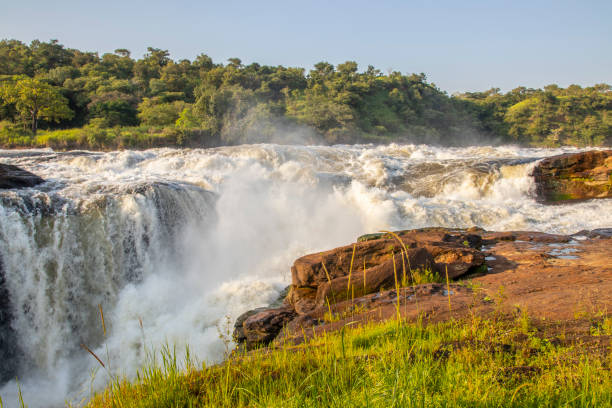

Several protected areas are particularly important for the survival of lions and other large predators. These include:
- Murchison Falls National Park
Murchison Falls National Park is one of Uganda’s leading wildlife safari destinations and an important habitat for large carnivores.
Visitors can explore the national park’s savannah landscapes in search of lions, leopards, elephants, giraffes, buffaloes and other wildlife.
The northern sector, including the Nile Delta area, is particularly important for wildlife viewing.
The park’s diverse ecosystems and wildlife populations make it an important destination for conservation-focused safaris.
- Queen Elizabeth National Park
Queen Elizabeth National Park is one of Uganda’s most recognised destinations for lion viewing.
The Kasenyi Plains are popular for game drives, while the Ishasha sector is internationally known for its tree-climbing lions.
These lions are among Queen Elizabeth National Park’s most distinctive wildlife attractions.
Conservation efforts in the park are important for addressing threats such as habitat pressure, human-wildlife conflict and the protection of prey species.
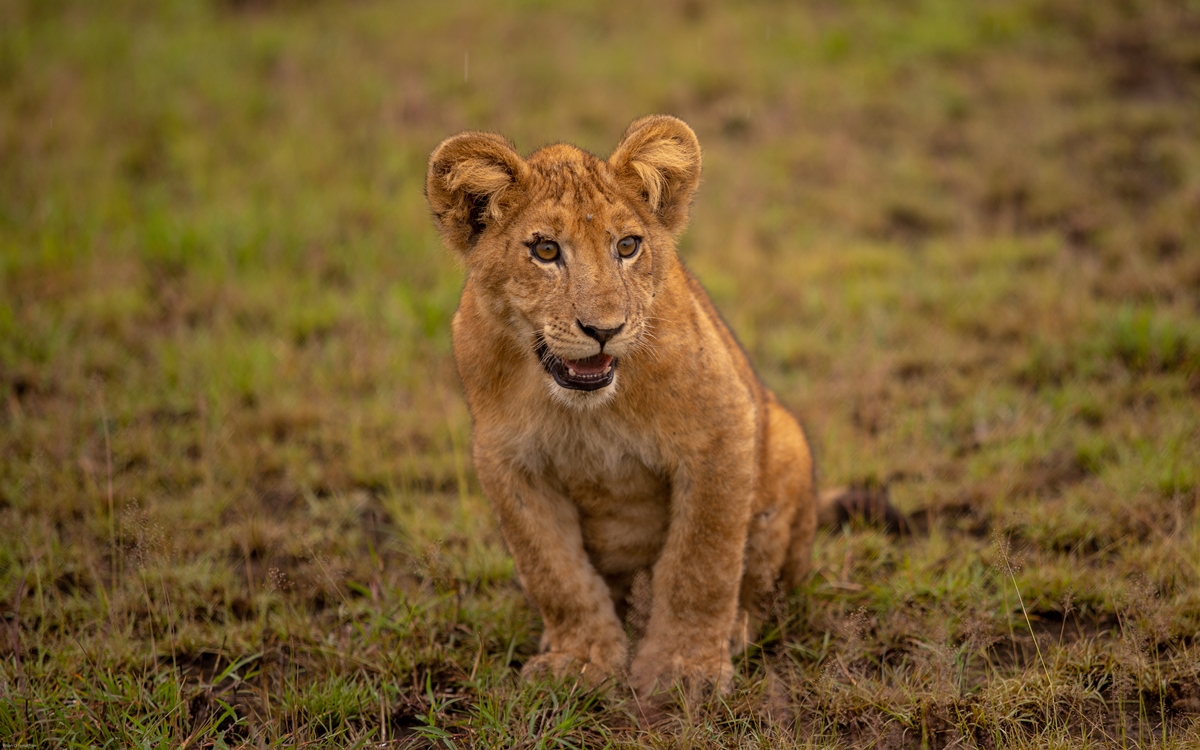
- Kidepo Valley National Park
Located in northeastern Uganda, Kidepo Valley National Park is a remote wilderness destination with expansive savannah landscapes and diverse wildlife.
The park supports lions and other large carnivores, making it an important location for conservation initiatives aimed at protecting vulnerable wildlife populations.
The park’s remote setting, scenic mountain backdrops and rich biodiversity also make Kidepo Valley National Park an attractive destination for travellers seeking a less-visited Uganda safari experience.
How Lion Conservation Supports Uganda’s Tourism Industry
Wildlife conservation and tourism are closely connected in Uganda. Lions, leopards and other large carnivores contribute to the appeal of the country’s national parks and attract visitors interested in wildlife photography, game drives, nature experiences and guided safaris.
Protecting these species helps maintain the ecological value of protected areas while supporting tourism businesses and communities that depend on wildlife-related activities.
A stronger conservation framework can also contribute to:
- Maintaining Uganda’s reputation as a wildlife safari destination.
- Supporting employment in tourism, conservation and hospitality.
- Encouraging investment in responsible safari lodges and tourism services.
- Supporting local communities through conservation-related initiatives.
- Promoting environmental education and wildlife research.
- Preserving natural heritage for future generations.
The Ministry’s launch of the Taskforce therefore represents an important development for both biodiversity protection and Uganda’s tourism sector.

Responsible Tourism and Wildlife Conservation in Uganda
Responsible tourism can contribute to wildlife conservation by encouraging visitors to respect protected areas, follow park regulations and support tourism businesses that value environmental protection and community participation.
Travellers visiting Uganda’s national parks can contribute by choosing authorised safari operators, following the guidance of park rangers, avoiding littering and respecting wildlife viewing distances.
Supporting locally owned accommodation, community tourism initiatives and conservation-focused experiences can also help ensure that tourism contributes to the communities and landscapes surrounding protected areas.
As Uganda works towards its 2034 conservation targets, responsible travel remains an important way for visitors to appreciate the country’s natural heritage while supporting its long-term protection.
Explore Uganda’s Wildlife and National Parks with Responsible Tourism Company
Uganda offers memorable wildlife experiences across its national parks, from lion tracking and savannah game drives to boat cruises, birdwatching and guided nature experiences.
Responsible Tourism Company helps travellers discover Uganda through carefully organised wildlife safaris, private tours, conservation-focused experiences and tailor-made holidays.
Whether you are interested in seeing the tree-climbing lions of Queen Elizabeth National Park, exploring the wildlife-rich plains of Murchison Falls National Park or discovering the remote wilderness of Kidepo Valley National Park, our team can help you plan an unforgettable Uganda safari.
Plan your Uganda wildlife safari with Responsible Tourism Company.
Call/WhatsApp: +256 704 023 485
Visit www.responsibletourismcompany.com
Email: info@responsibletourismcompany.com
Discover Uganda responsibly and experience the Pearl of Africa while supporting the protection of its remarkable natural heritage.