Masindi Travel Guide, Uganda – Western Region
Nestled in the fertile northwest of Uganda, Masindi District serves as a gateway to the country's untamed wilderness and rich cultural tapestry.
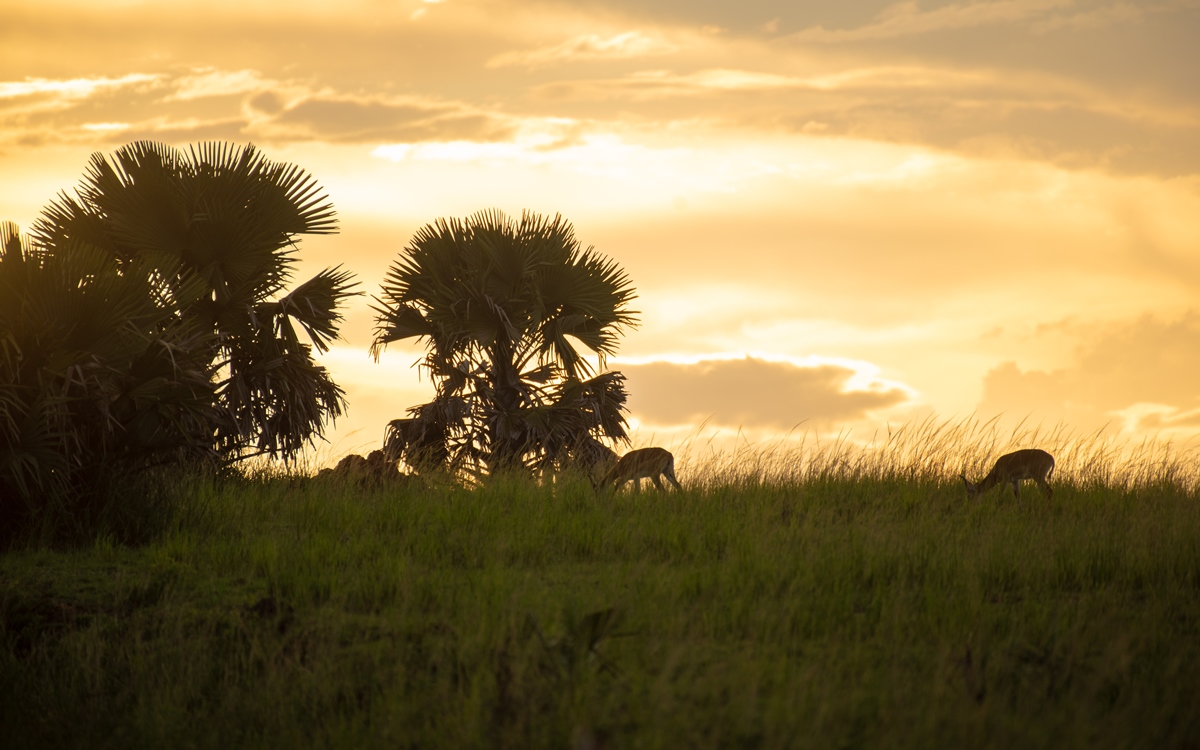
With its undulating hills, lush savannas, and proximity to Murchison Falls National Park, one of Africa's premier wildlife reserves, Masindi captivates visitors with breathtaking landscapes and abundant biodiversity.
The district's vibrant markets buzz with local produce, crafts, and the warm hospitality of the predominantly Banyoro people, whose traditions in music, dance, and storytelling echo through community festivals.
Historically, Masindi has been a hub of exploration and trade, once drawing colonial adventurers and modern eco-tourists alike.
The town’s strategic location along key transport routes fosters a blend of rural charm and growing economic vitality, centered on community-driven enterprises and natural resource stewardship.
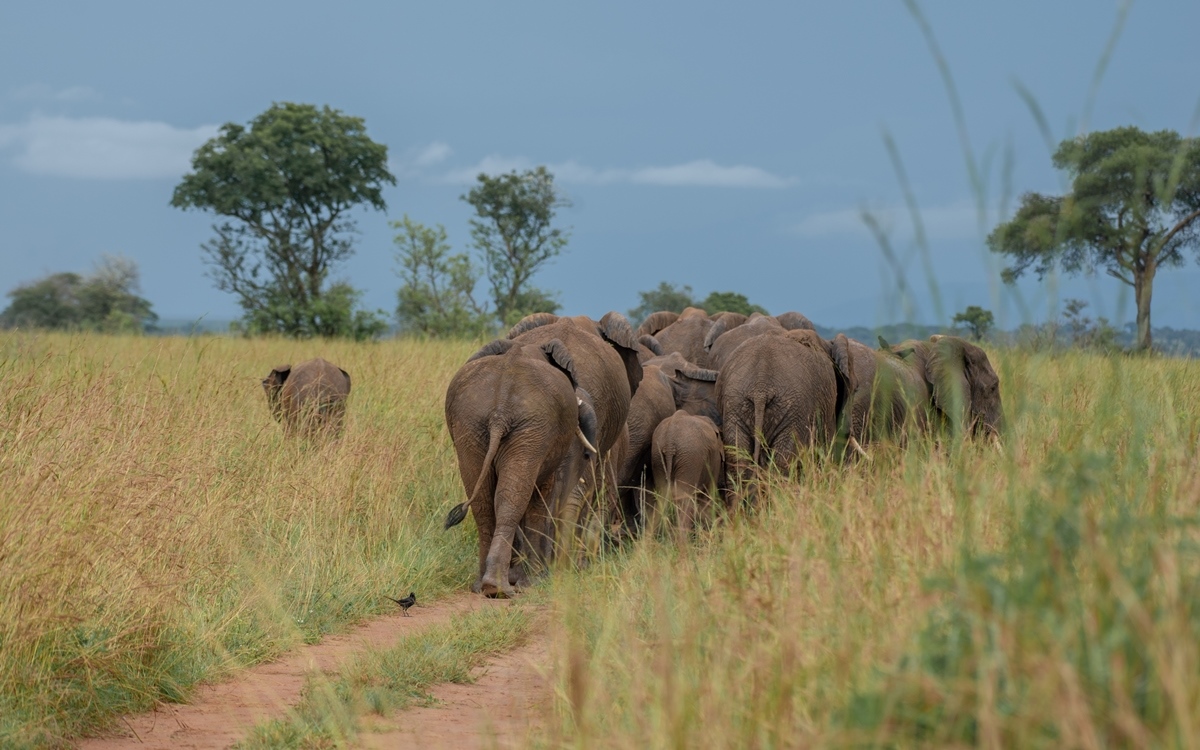
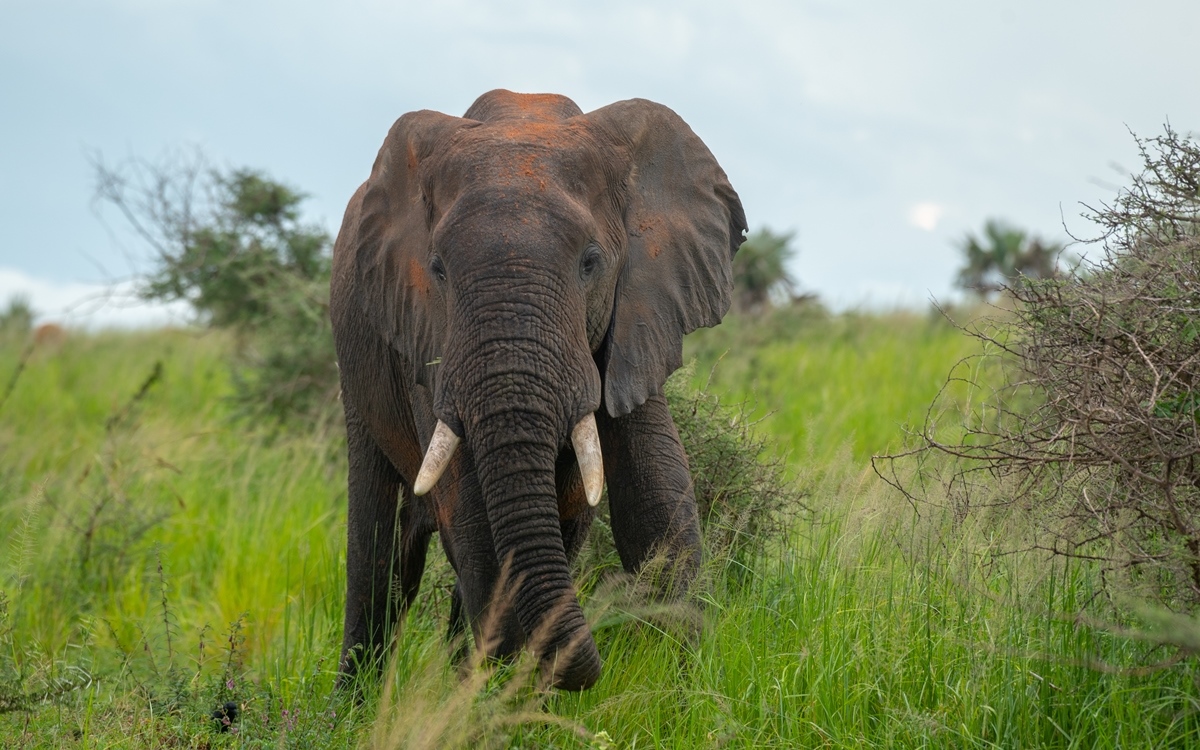
Whether hiking to the dramatic Rhiner Falls, spotting elephants in the wild, or savoring fresh lake fish from Lake Albert, Masindi embodies Uganda's essence as a land of adventure and enduring community spirit.
LOCATION OF MASINDI TOWN, UGANDA
Masindi is a town located in Western Uganda. It serves as the largest town in the Masindi District and is situated approximately 220 kilometers North-West of the capital city, Kampala. The town is surrounded by lush vegetation and is home to several wildlife reserves, including the Murchison Falls National Park, which sits on the banks of the Nile River.
Masindi is approximately 211 kilometers (131 miles) North-West of Kampala, Uganda's capital, and largest city, accessible via an all-weather tarmac highway. It's also about 57 kilometers (35 miles) North-East of Hoima, the largest city in the Bunyoro sub-region. The coordinates of Masindi are 1°41'01.0\"N, 31°43'20.0\"E (Latitude: 1.683611; Longitude: 31.722222), and the town lies at an average elevation of 1,227 meters (4,026 feet) above sea level.
POPULATION OF MASINDI TOWN, UGANDA
As of 2024, the total population of Masindi District in Uganda is estimated to be approximately 337,500 people. The district experiences a growth rate of 2.8% as stated by the UBOS.
HISTORY OF MASINDI TOWN, UGANDA
Nestled in the lush Western Region of Uganda, Masindi stands as a timeless testament to the nation's rich cultural and historical tapestry.
Approximately 211 kilometers northwest of Kampala along the all-weather tarmac highway, this vibrant town serves as the administrative headquarters of Masindi District.
For travelers searching for "history of Masindi Uganda," the story unfolds like an epic saga—from the grandeur of ancient kingdoms to the echoes of colonial explorers and the resilience of post-independence Uganda.
This detailed exploration dives deep into Masindi's past, revealing why it's a must-visit destination for history enthusiasts, cultural explorers, and adventure seekers alike.
Ancient Roots: The Cradle of the Bunyoro-Kitara Kingdom
Masindi's history is inextricably linked to the Bunyoro-Kitara Kingdom, one of the most powerful and influential Bantu kingdoms in pre-colonial East Africa.
Established around the 14th century, Bunyoro-Kitara was the second-largest kingdom in present-day Uganda, controlling vast territories across western Uganda and parts of neighboring regions.
Bunyoro-Kitara Kingdom’s capital was strategically positioned near what is now Masindi, making the town a political, cultural, and economic hub.
The kingdom's legacy is embodied in its legendary rulers, particularly Omukama Kabalega (also known as Chwa II Kabalega), who ascended the throne in 1870 and reigned until 1899.
Born in 1853 near Masindi, Kabalega was a visionary leader renowned for his military prowess and resistance against foreign encroachment.
Under his rule, Bunyoro flourished as a center of ironworking, trade, and diplomacy. Masindi, as the kingdom's nerve center, buzzed with royal courts, artisans, and traders exchanging goods along ancient routes connected to Lake Albert and the Nile River.
Archaeological remnants, such as royal regalia and forts like Mangungo Fort, built in the late 1800s to fortify against invaders, dot the landscape, offering glimpses into this golden era.
For those querying "Bunyoro Kingdom history in Masindi," these sites underscore how the kingdom's emphasis on unity and innovation shaped modern Ugandan identity.
Colonial Encounters: Explorers, Railways, and Shifting Boundaries
The arrival of European explorers in the mid-19th century marked a pivotal chapter in Masindi's history, transforming it from a secluded royal stronghold into a crossroads of global intrigue.
In 1862, British explorers John Hanning Speke and James Augustus Grant passed through the region during their quest for the Nile's source, documenting the kingdom's splendor and Kabalega's formidable presence.
A decade later, from April 25th, 1872, to June 14th, 1873, Samuel Baker and his wife Florence Baker established a base in Masindi as part of their anti-slavery and exploration campaigns.
Their expedition aimed to navigate the Nile but was cut short by Kabalega's staunch opposition, highlighting the king's unyielding defense of sovereignty.
British colonial expansion intensified in the late 19th century, culminating in the Anglo-Bunyoro War (1893–1899).
Despite Kabalega's guerrilla tactics and alliances with neighboring kingdoms, British forces conquered Bunyoro in 1899, exiling the king to the Seychelles Islands, where he died in 1923.
This conquest redrew boundaries, diminishing Bunyoro's territory and integrating Masindi into the British Protectorate of Uganda.
The town, renamed Masindi Port in some colonial maps, became a key administrative outpost, as evidenced by a 1909 Uganda Topographical Survey map that detailed its roads, rivers, and strategic position near Lake Albert.
The early 20th century brought infrastructural booms. In 1923, the East Africa Railways and Harbours Company constructed the iconic Masindi Hotel, Uganda's oldest surviving hotel, to accommodate passengers on the newly laid Uganda Railway.
This colonial-era gem, with its ornate wooden architecture and serene gardens, quickly became a symbol of East African progress.
By the 1930s, Masindi evolved into a bustling transit point, its port on Lake Albert facilitating cotton trade and connecting inland Uganda to global markets.
World War II added another layer to Masindi's storied past. In the early 1940s, the town hosted one of East Africa's largest refugee camps for over 3,000 Polish exiles fleeing Soviet occupation.
This humanitarian episode, often overlooked in "Uganda WWII history" searches, showcased Masindi's role as a sanctuary amid global turmoil, with Polish schools, churches, and cultural centers temporarily dotting the landscape.
Independence and Modern Evolution: From District Formation to Contemporary Vibrancy
Uganda's independence from Britain in 1962 ushered in a new era for Masindi, reinvigorating its status within the restored Bunyoro Kingdom.
However, political upheavals under Idi Amin (1971–1979) and subsequent conflicts tested the town's resilience.
Masindi emerged relatively unscathed, thanks to its strategic yet peripheral location, allowing it to serve as a gateway for northern Uganda's recovery.
A landmark moment came in 1976 when Masindi was carved out as a separate district from the larger Bunyoro administration, spanning 9,326 square kilometers of diverse terrain, including 30.5% national wildlife reserves and 11.1% forest reserves.
This autonomy fostered local governance, with Masindi Municipality and Buruli County as its core divisions.
By the 1980s and 1990s, under President Yoweri Museveni's administration, the district stabilized, integrating into Uganda's broader narrative of peace and development.
Today, Masindi's history continues to evolve. The town's population, estimated at over 352,000 in the district as of recent censuses, reflects a mosaic of 55 ethnic groups, predominantly Banyoro and Bagungu peoples.
Cultural landmarks like the Karambi Royal Palace, home to Bunyoro's royal regalia, preserve the kingdom's heritage, drawing visitors interested in "Masindi cultural history."
Meanwhile, the discovery of oil and gas reserves in the Albertine Graben has positioned Masindi as an emerging energy hub, blending its ancient legacy with 21st-century innovation.
Enduring Legacy: Why Masindi's History Captivates
From the defiant spirit of King Kabalega to the polished halls of Masindi Hotel, where literary giant Ernest Hemingway recovered from a 1954 plane crash, Masindi's history is a compelling blend of triumph, adaptation, and cultural depth.
As a gateway to Murchison Falls National Park and Lake Albert, the town invites modern explorers to walk in the footsteps of Speke, Baker, and ancient kings.
For those planning a trip, Masindi offers immersive experiences: guided tours of Kabalega Falls (named after the king), birdwatching in Budongo Forest Reserve, or evenings at the historic Masindi Hotel, evoking colonial elegance.
Whether you're a history buff searching "ancient kingdoms of Uganda" or a traveler seeking authentic African heritage, Masindi promises an unforgettable odyssey through time.
Discover Masindi's history firsthand, book your Uganda adventure today and let the past come alive in this hidden gem of Western Uganda.
ATTRACTIONS AND TOURISM ACTIVITIES IN MASINDI TOWN, UGANDA
Karongo market; Operates every Thursday and attracts traders from Hoima, Bulisa and entire district, it’s located at the junction to Nyantonzi, Bulisa road.
Kabango trading Centre is a very busy town council providing variety of services i.e. entertainment, schools, accommodation and so many others.
Kinyara sugar works limited;Established in 1969, second largest manufacturer of sugar in Uganda, employs over 1500 workers both in and outside Uganda, the companies’ sugarcane plantation estates.
Ziwa and royal Ranches; Covers a greater part of sub county, good potential In Dairy farming.
Kigulya hill which is located in Mirya and it is an ideal destination for hiking tours in Masindi.
Rwengabi hill in Budongo which is ideal for hiking and spiritual activities in Masindi.
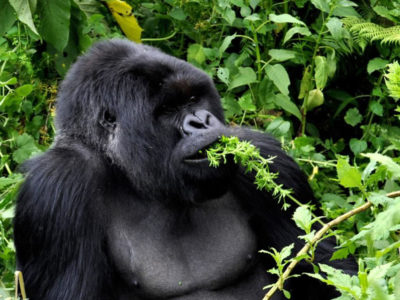
Budongo forest in Budongo which is one of the biggest tropical forests in East Africa and is home to chimpanzees and a big number of mahogany tree species.
River Kafu in Kimengo, It marks the Southern boundary with Nakasongola and Nakaseke districts.
Murchison falls National Park, which is the biggest natural park in Uganda and has the highest number of giraffes.
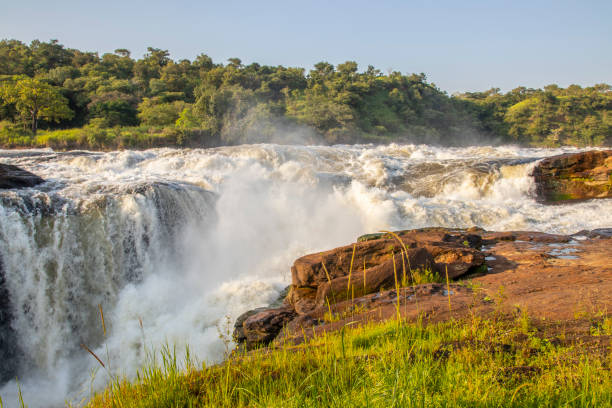
Murchison Falls found in Pakanyi, which are the most powerful waterfalls in the world.
Kigaju forest camp found in Karujubu and is an ideal destination for nature walks and chimpanzee tracking in Masindi, Uganda.
Nyankuyu hills eco-tourism sites in Biizi, which are ideal for hiking, visiting sacred caves, beautiful scenery views and forest walking tours.
Omukama’s palace located in Kihande, an ideal location for cultural tourism.
European cemetery in Masindi town where the graves of the Scottish Margache Family are located.
King George VI Stadium located in Central division Masindi town which is used for major events in town and was originally used for storing millet and later used by Goans(Abagoowa) to house hens.