Getting there
How to get to Mgahinga National Park
By road, one can access the park by use of a car from Kampala via Kabale to Kisoro. This journey takes about 8 hours.
By air, one can board a plane from Entebbe to Kisoro Airstrip which is near the park. This is the quickest mode of access and it takes about 1 hour. There are daily scheduled flights which must be booked long in advance with your local Uganda safari operator.
Getting around
Getting around Mgahinga Gorilla National Park, Uganda
Responsible Tourism Company will offer transprtatin for use around the Mgahinga Gorilla National Park in Southwestern Uganda or for longer safaris a countrywide. Cars can be rented for US$50 per day. Reasonably priced minibus hire is available from USD 90 per day.
Accommodation
ACCOMODATION AND WHERE TO STAY IN MGAHINGA GORILLA NATIONAL PARK, UGANDA
- Luxury Accommodation
Luxury lodges offer high-end services, spacious cottages or bandas, fine dining, fireplaces, scenic volcano views, and personalised safari experiences.
These are ideal for visitors seeking comfort and exclusivity during gorilla trekking or birding tours.
The main luxury lodges include:
- Mount Gahinga Lodge
- Lake Chahafi Resort
- Mutanda Lake Resort
- Chameleon Hill Lodge
- Lake Mulehe Gorilla Lodge
- Nkuringo Gorilla Lodge
- Gorilla Heights Lodge
- Gorilla Forest Lodge, an A&K Sanctuary
These lodges are known for stunning views of the Virunga volcanoes, luxury cottages, cultural experiences, and proximity to gorilla trekking starting points.
- Mid-Range Accommodation
Mid-range lodges provide comfortable rooms and good services at moderate prices. They are suitable for travellers who want quality accommodation without paying luxury rates.
Popular mid-range options include:
- Mgahinga Gorilla Triangle Lodge
- Traveller’s Rest Hotel
- Kisoro Tourist Hotel
- Gorilla Hills Eco-Lodge Bwindi
- ICHUMBI GORILLA LODGE
- Four Gorillas Lodge, Rubuguri - Rushaga
- Gorilla Leisure Lodge
- Kiho Gorilla Safari Lodge BWINDI UGANDA
These facilities commonly offer ensuite rooms, restaurants, Wi-Fi, guided tours, and transport arrangements for tourists visiting Mgahinga and nearby Bwindi areas.
- Budget Accommodation and Campsites
Budget accommodation is ideal for backpackers, students, local tourists, and travellers looking for affordable safari experiences.
These accommodations usually provide simple rooms, bandas, dormitories, or camping grounds.
Examples include:
- Mount Gahinga Rest Camp
- Amajambere Iwacu Community Camp
- Mgahinga Community Campground
- Mianzi Guesthouse
- Agape Guest House
- Kisoro Comfort Inn
- Mutolere Coffee Pot Guesthouse
- Ian Point Motel
Camping facilities are also available for visitors interested in “Do It Yourself” camping experiences near the park gate.
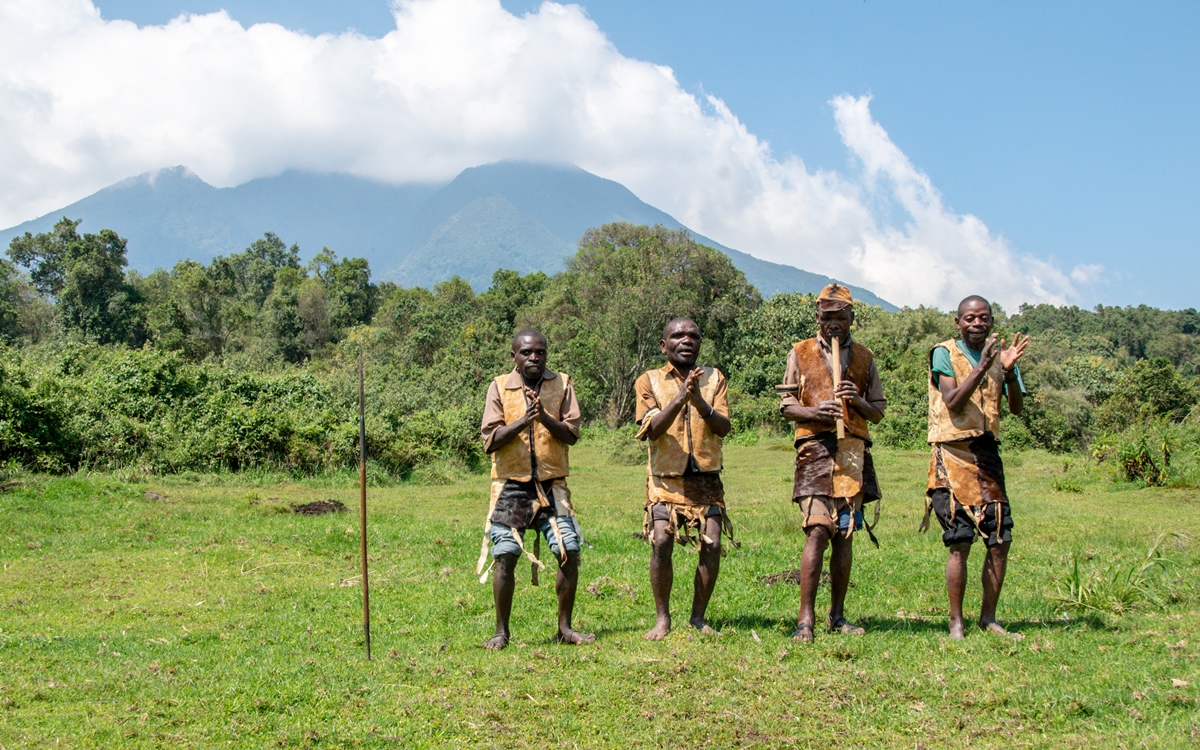
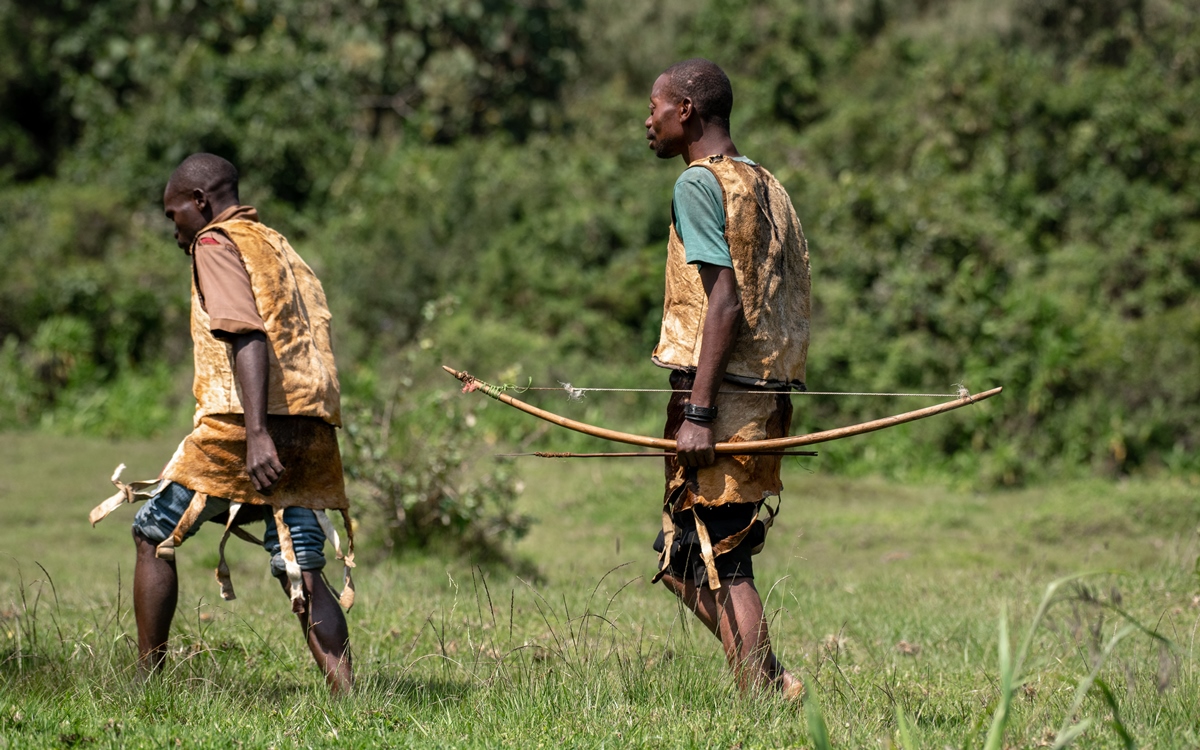
Community camps often provide opportunities for cultural interaction with the Batwa and local communities.
- Community and Eco-Lodges
Mgahinga also has community-owned and eco-friendly accommodations that focus on sustainable tourism and local empowerment.
These lodges support conservation and community development projects.
Examples include:
- Amajambere Iwacu Community Camp
- Gorilla Hills Eco-Lodge Bwindi
- Mutanda Eco Community Centre
These accommodations are popular among eco-tourists and cultural travellers interested in responsible tourism.
What to bring
What to Bring to Mgahinga Gorilla National Park, Uganda
When visiting Mgahinga Gorilla National Park, visitors should carry essential items suitable for trekking, birding, and mountain weather conditions.
Important clothing includes long-sleeved shirts, long trousers, waterproof jackets, warm sweaters, thick socks, and strong waterproof hiking boots to protect against cold weather, mud, insects, and thick vegetation.
Visitors should also bring trekking gear such as a walking stick, gaiters, a small waterproof backpack, and gloves for support on steep and slippery trails.
Health and personal care items like insect repellent, sunscreen, personal medication, hand sanitiser, and a basic first aid kit are highly recommended.
For wildlife viewing and birding, tourists are encouraged to carry binoculars, cameras, extra batteries, and memory cards.
Sufficient drinking water, packed lunch, and energy snacks are also important because trekking activities may last several hours.
Essential travel documents such as passports, gorilla permits, insurance papers, and hotel booking confirmations should always be kept safely and easily accessible.
Climate and when to visit
Climate and When to Visit Mgahinga Gorilla National Park, Uganda
Mgahinga Gorilla National Park experiences a cool tropical highland climate due to its location within the Virunga Mountain Range in southwestern Uganda.
The park lies at an altitude ranging from approximately 2,200 metres to over 4,000 metres above sea level, which greatly influences its temperatures, rainfall patterns, and weather conditions throughout the year.
The mountainous environment creates a misty and humid atmosphere that supports dense forests, bamboo vegetation, wildlife habitats, and unique alpine ecosystems.
The climate in Mgahinga is generally cooler than many other parts of Uganda.
Daytime temperatures usually range between 15°C and 20°C, while nighttime temperatures can drop below 10°C, especially in higher altitudes and during rainy periods.
Early mornings and evenings are often cold and foggy, particularly around the volcano slopes and forested areas.
Because of the high elevation, weather conditions can change quickly, with sunshine, mist, and rainfall occurring within the same day.
Rainfall Seasons in Mgahinga Gorilla National Park
Mgahinga Gorilla National Park receives rainfall throughout the year, but the heaviest rains occur during two major wet seasons:
- March to May
- October to November
During these months, trekking trails become muddy, slippery, and more challenging to navigate. Heavy rainfall also causes thick vegetation growth, making wildlife spotting slightly more difficult.
However, the rainy season transforms the park into a lush green landscape with beautiful scenery, vibrant vegetation, and excellent photographic opportunities.
Birdwatching is also particularly rewarding during this period because migratory birds are present and breeding activity increases.
Despite the rain, gorilla trekking and other tourism activities continue throughout the year because mountain gorillas remain within the forest regardless of weather conditions.
Visitors travelling during the rainy season are encouraged to carry waterproof clothing, hiking boots, and warm gear.
Dry Seasons at Mgahinga Gorilla National Park
The park experiences two relatively drier seasons:
- June to August
- December to February
These months are considered the best periods for tourism activities because trekking trails are less muddy and hiking conditions are generally easier.
Wildlife viewing and gorilla trekking become more comfortable due to reduced rainfall and clearer visibility in the forest.
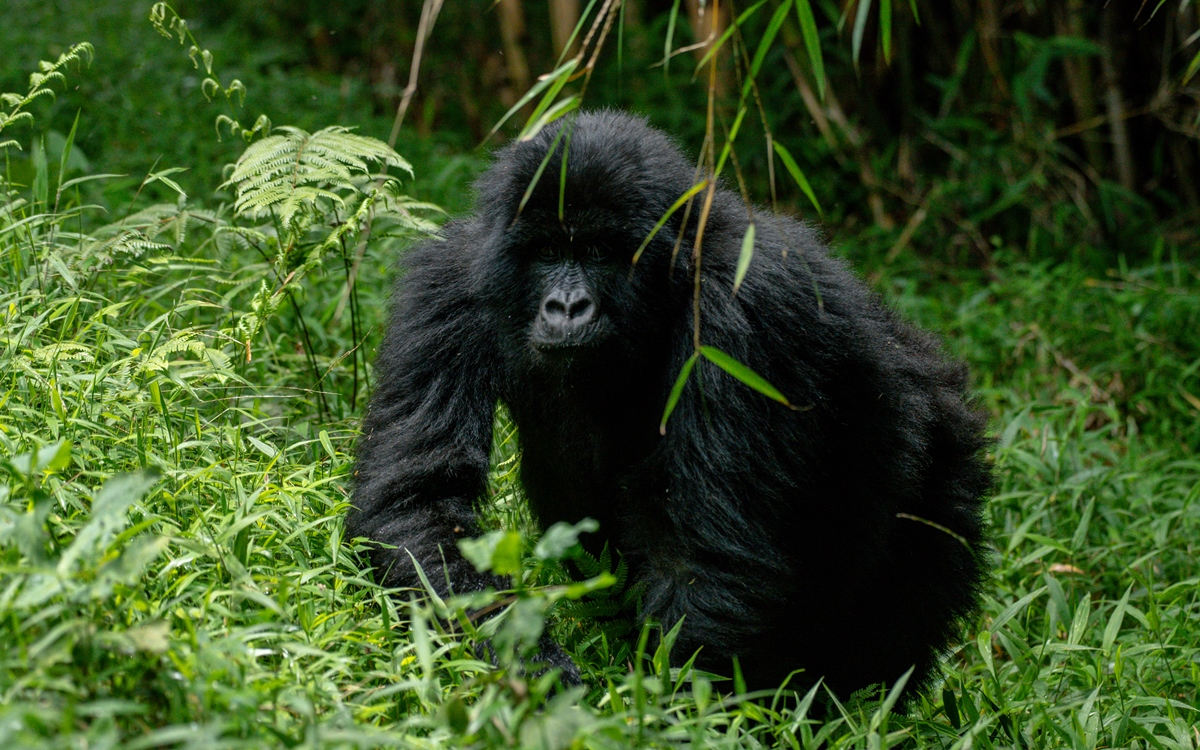
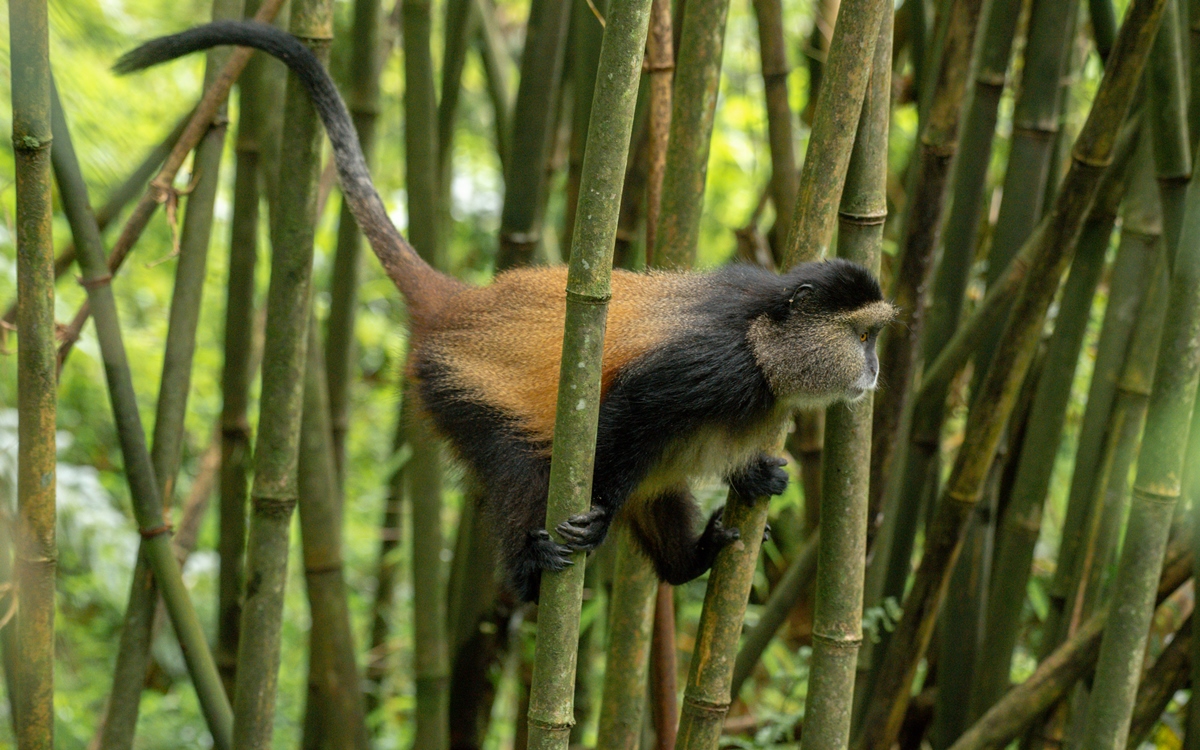
The dry seasons are especially popular for gorilla trekking, golden monkey tracking, volcano hiking, birdwatching, and nature walks.
During the dry months, visitors can enjoy clearer views of the Virunga volcanoes, including Mount Muhabura, Mount Gahinga, and Mount Sabyinyo.
Photography conditions are also usually better because of increased sunshine and reduced mist. However, occasional rain showers may still occur even during the dry season because the park is located within a tropical montane rainforest region.
Best Time to Visit Mgahinga Gorilla National Park,
The best time to visit Mgahinga Gorilla National Park largely depends on the visitor’s interests and planned activities.
Best Time for Gorilla Trekking and Hiking
The dry seasons from June to August and December to February are widely regarded as the best periods for gorilla trekking and mountain hiking. During these months:
- Trails are easier to access
- Hiking conditions are safer
- Forest visibility is clearer
- Photography conditions improve
- Travel logistics become more convenient
These months are also peak tourism seasons, so accommodation and gorilla permits should be booked early.
Best Time for Birdwatching in Mgahinga Gorilla National Park
Bird enthusiasts often prefer the wetter months from April to May and October to November because bird activity is higher during breeding seasons.
Migratory bird species are also easier to observe during this period, making Mgahinga especially attractive for birders searching for Albertine Rift endemic species.
Best Time for Photography and Scenic Viewing
Year-Round Tourism Destination
Although the dry seasons are generally preferred, Mgahinga Gorilla National Park can be visited throughout the year.
The park remains attractive in all seasons because gorilla trekking, golden monkey tracking, birding, Batwa cultural experiences, and volcano hikes continue regardless of weather changes.
Each season offers unique experiences, from lush green scenery during rainy months to easier trekking conditions during dry periods.