Ngamba Island Chimpanzee Sanctuary | Uganda
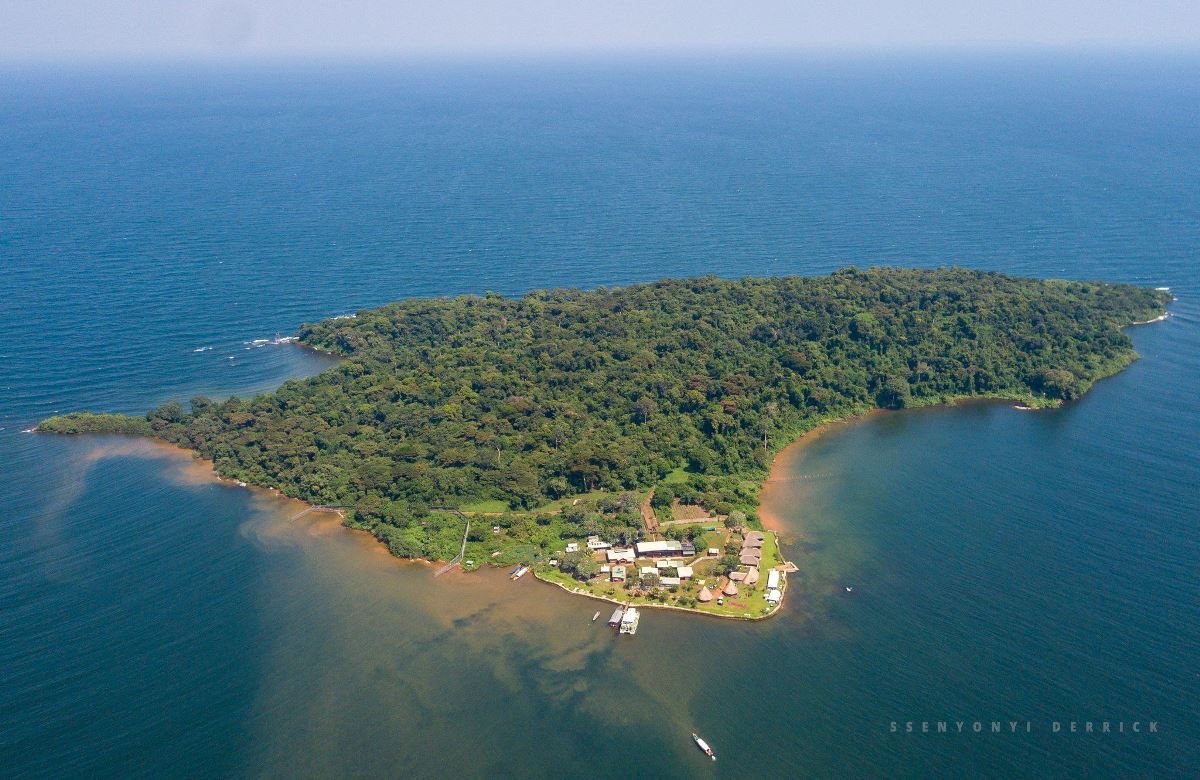
Ngamba Island, a serene sanctuary in Lake Victoria, Uganda, spans 100 acres and functions as a dedicated chimpanzee refuge established in 1998 by the Chimpanzee Sanctuary & Wildlife Trust.
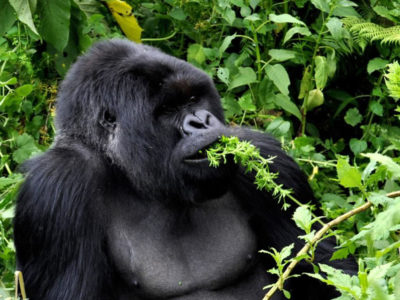
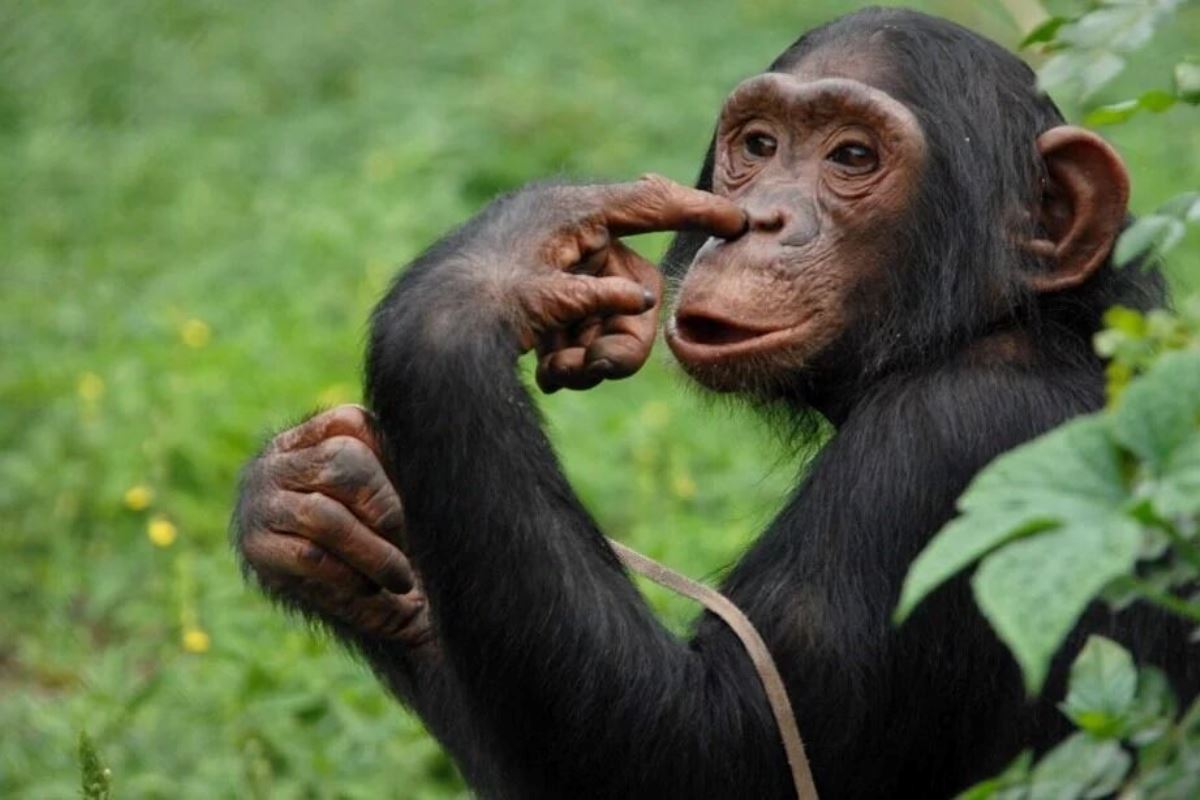
This lush, forested haven provides a permanent home for over 50 rescued chimpanzees, many of whom were orphaned or displaced due to habitat loss and the illegal wildlife trade.
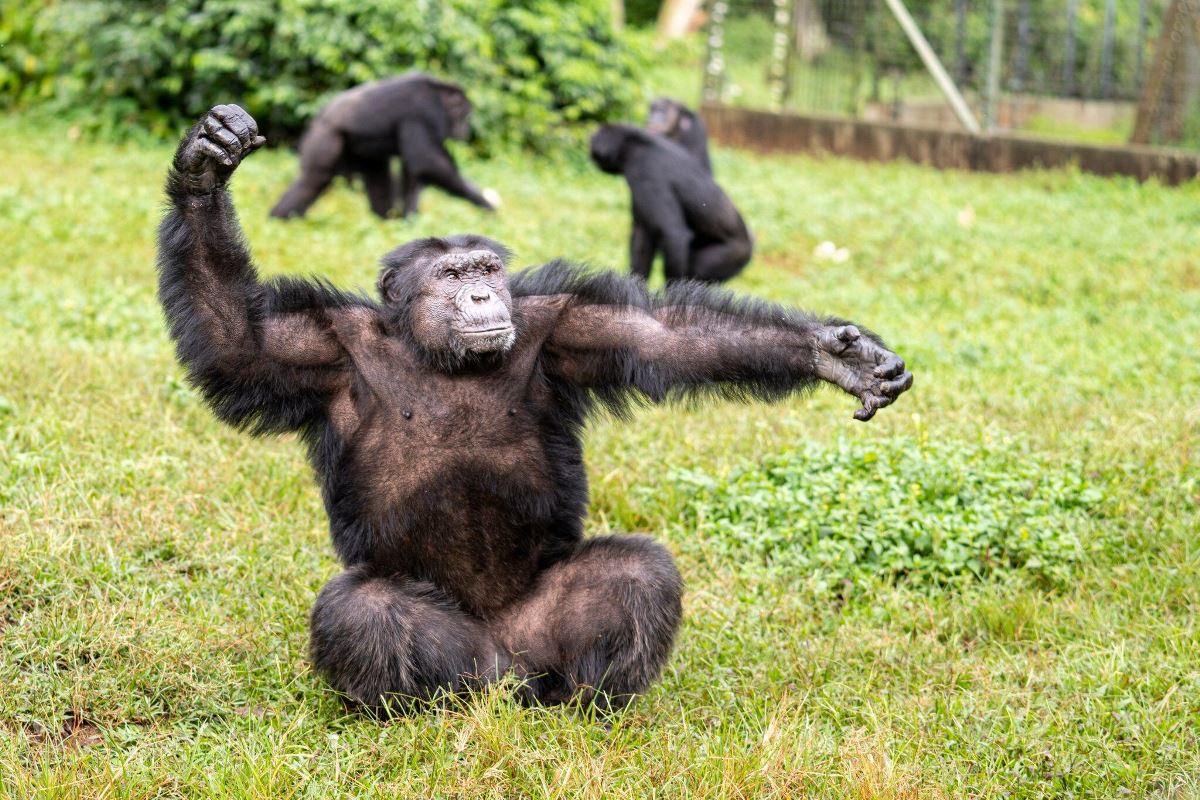
Ngamba Island's design incorporates elevated walkways, feeding platforms, and natural enclosures that allow the chimpanzees to roam freely across half the land area while fostering their social bonds and foraging behaviors in a semi-wild setting.
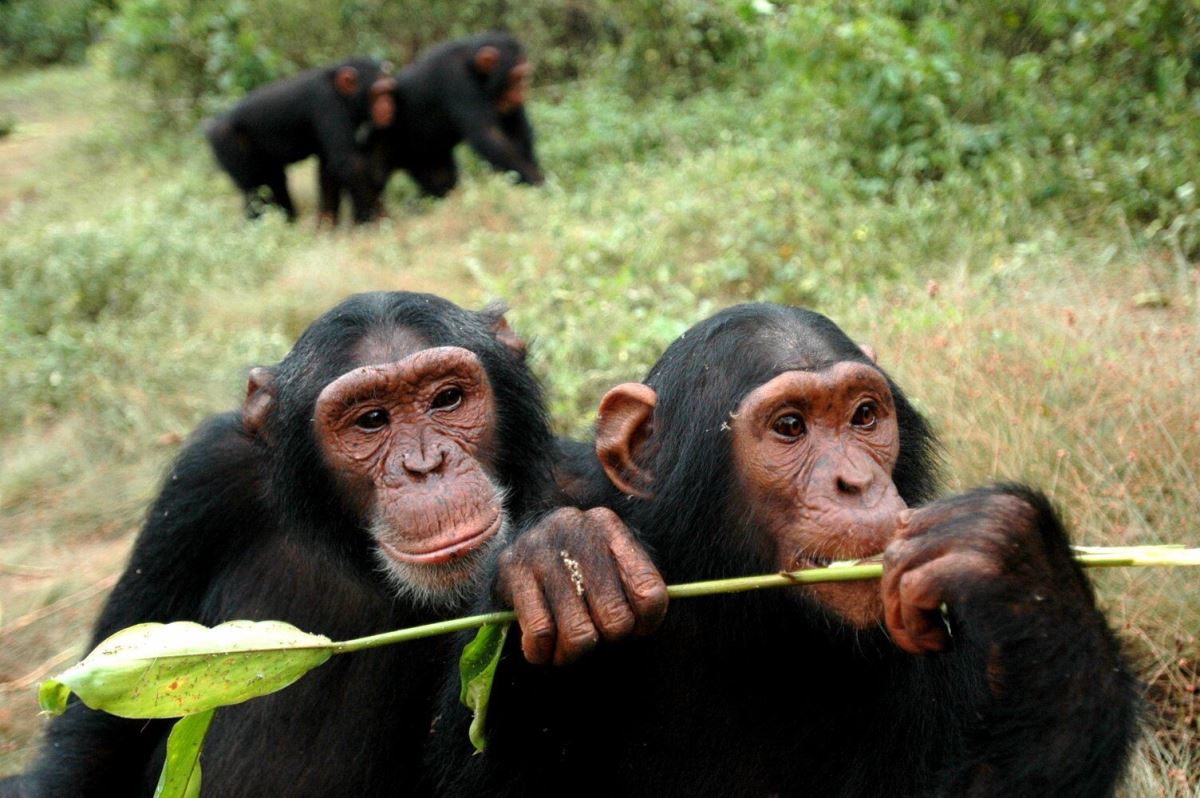
Surrounded by the lake's calm waters, Ngamba supports a thriving ecosystem with mahogany trees, acacia groves, and a variety of undergrowth that supplies fruits, leaves, and insects essential to the chimpanzees' diet.
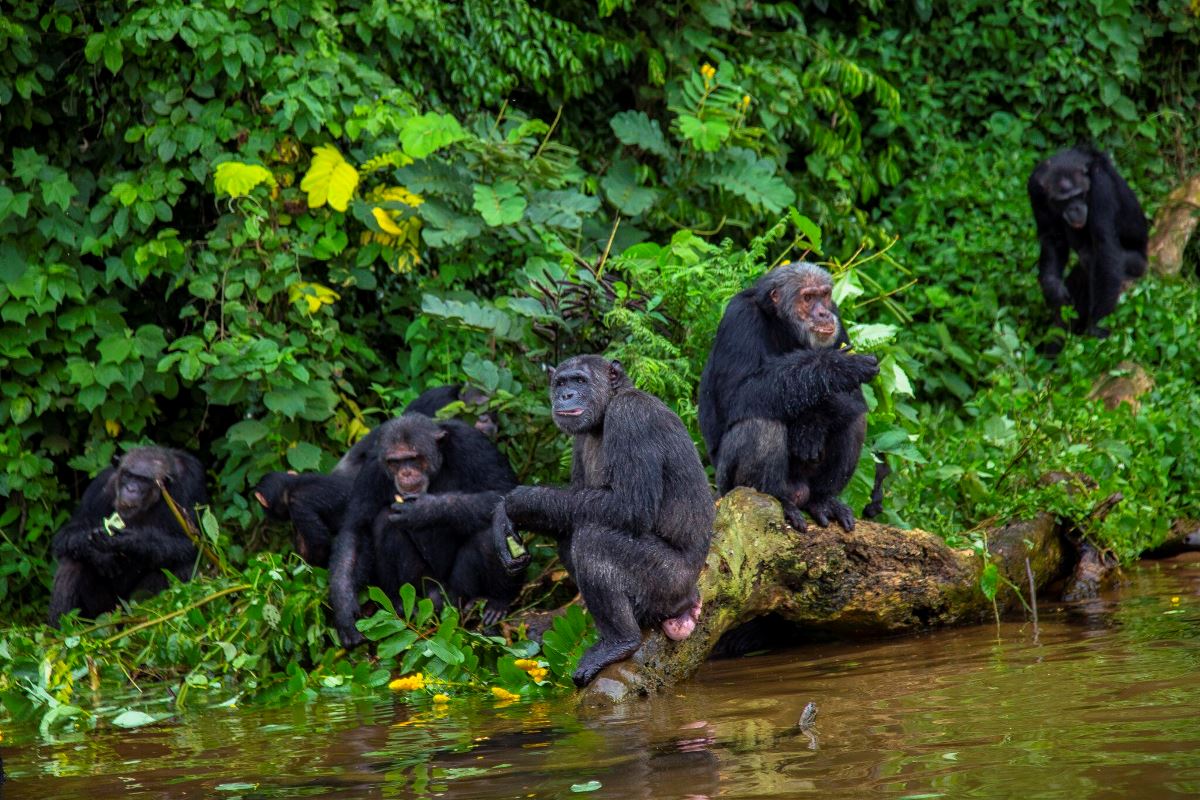
Visitors can observe daily routines from safe vantage points, including boat arrivals that mimic wild feeding events, offering insights into chimpanzee intelligence and community dynamics.
As a model of conservation, the island also funds broader wildlife protection efforts through eco-tourism, contributing to the rehabilitation and long-term care of these remarkable primates.
Where is Ngamba Island located?
Ngamba Island is located in Lake Victoria, Uganda, approximately 23 kilometers southeast of the mainland city of Entebbe.
This attraction is part of the Koome group of islands and is home to the Ngamba Island Chimpanzee Sanctuary, a refuge for orphaned and rescued chimpanzees.
Key details about Ngamba Island location:
Country: Uganda
Body of water: Lake Victoria
Nearby mainland point: Approximately 23 km southeast of Entebbe
In relation to the equator: Ngamba Island straddles the equator
History of Ngamba Island, Uganda
Ngamba Island, a 100-acre rainforest expanse in Lake Victoria, Uganda, about 23 kilometers southeast of Entebbe, has served as a dedicated refuge for chimpanzees since the late 1990s.
The island's transformation into a sanctuary began amid growing concerns over the declining chimpanzee populations in East Africa, driven by habitat loss and the illegal wildlife trade.
In 1997, a group of international conservation organizations united to address the need for a permanent home for orphaned and rescued chimpanzees, leading to the formation of the Chimpanzee Sanctuary and Wildlife Conservation Trust (CSWCT).
This non-profit entity emerged as a collaborative effort involving the Born Free Foundation (United Kingdom), the International Fund for Animal Welfare (United States), the Jane Goodall Institute (Germany and Uganda), the Uganda Wildlife Education Centre Trust, the Zoological Board of New South Wales (Australia), and the Uganda Wildlife Society.
These partners pooled resources to establish a facility that could provide lifelong care for chimpanzees unable to return to the wild, while promoting education and conservation awareness.
The sanctuary officially opened in October 1998, gazetted by Ugandan authorities specifically to house chimpanzees rescued from poachers, wildlife traffickers, zoos, and circuses across East Africa, including countries like Burundi, the Democratic Republic of Congo, Russia, Tanzania, and Uganda.
Initial arrivals included 19 chimpanzees, many of whom had endured trauma from the pet trade or bushmeat markets, arriving malnourished and in need of rehabilitation.
The Chimpanzee Sanctuary and Wildlife Conservation Trust (CSWCT) designed the island's layout to mimic a natural habitat: 98 acres of secondary forest for the chimpanzees to roam freely during the day, separated from a small visitor area by an electric fence for safety.
Underground streams and seasonal mists support a diverse ecosystem, including over 120 bird species, monitor lizards, otters, fruit bats, and hippos, which provide natural foraging opportunities for the residents.
Early operations focused on nursing the chimpanzees back to health, with newcomers quarantined in large enclosures to gradually introduce them to the resident group, fostering social bonds over time.
From its inception, Ngamba Island has emphasized rehabilitation and behavioral observation.
Caregivers, numbering over 22 including veterinarians and volunteers, manage daily routines such as feeding, over 30,000 kilograms of fruits and vegetables annually, and enrichment activities to encourage natural behaviors like tool use and nesting.
The sanctuary's veterinary team, led by figures like Dr. Joshua Rukundo, conducts regular health checks and monitors social dynamics among the chimpanzees.
By the early 2000s, the population grew steadily as more rescues arrived, reaching around 40 individuals by the mid-2010s and stabilizing at approximately 52 by the 2020s.
Key milestones include the development of visitor programs in the late 1990s, with day trips and overnight stays at the Ngamba Island Tented Camp, booked through partners like Wild Frontiers Uganda.
These excursions, starting with boat rides from Nakiwogo Dock (45 minutes by speedboat), allow observers to watch feedings at 11 a.m. and 3 p.m. from raised platforms, while educational sessions detail each chimpanzee's profile, personality, and rescue story.
The sanctuary's commitment to broader conservation deepened in the 2000s through partnerships with the Uganda Wildlife Authority and local communities.
Initiatives expanded to include field research on chimpanzee behavior, community outreach programs to reduce poaching via awareness campaigns, and environmental stewardship on the island itself.
In recognition of these efforts, Ngamba Island received accreditation from the Global Federation of Animal Sanctuaries in the 2010s, affirming its standards in animal care, nutrition, veterinary services, staffing, governance, financial sustainability, and education.
By the 2020s, the sanctuary had transitioned to a cage-free model, enhancing the chimpanzees' quality of life by removing enclosures for long-term residents.
Ongoing projects involve collaboration with organizations like the Pan African Sanctuary Alliance (PASA) for funding and expertise, ensuring the facility's operations remain self-sustaining through donations, adoptions, and tourism revenues.
Today, Ngamba Island stands as a cornerstone of primate conservation in Uganda, home to a stable chimpanzee community that continues to grow through rescues.
Managed entirely by the Chimpanzee Trust, it supports 24/7 care while integrating ecotourism, such as sunset cruises, cultural experiences with nearby fishing villages, and volunteering opportunities where participants assist with monitoring, enrichment, and administrative tasks.
The island's history reflects a sustained dedication to providing security, social structure, and natural enrichment for its residents, alongside fostering global understanding of chimpanzee welfare.
Ngamba island chimpanzee sanctuary tickets
Ngamba Island chimpanzee sanctuary tickets range from approximately $188 for a half-day tour for individuals to $365 for a full-day individual experience, with costs decreasing per person for larger groups.
Special packages like the "Caregiver for a Day" experience are available for overnight guests, and children under five often get free entry.
Typical Costs for a Day Trip at Ngamba Island Chimpanzee Sanctuary, Uganda:
Half-Day Tour:
Prices start from $188 to $190 per person for a speedboat trip, including transfers and viewing.
Full-Day Tour:
From $365 per person, which typically includes lunch, community visits, and bird watching.
Group Discounts:
Prices per person are often lower when booking for a group.
Specialized Experiences at Ngamba Island Chimpanzee Sanctuary, Uganda:
Caregiver for a Day:
This hands-on program costs about $200 and requires booking an overnight stay.
Overnight Stays:
Involve accommodation, meals, and guided chimpanzee viewing.
Other Details in regards to Ngamba Island Chimpanzee Sanctuary, Uganda:
Children:
Children under five often receive free entry, while older children may pay half price.
Included Services:
Standard tickets generally include round-trip boat transfers and guided viewing sessions.
Booking:
Advance booking is recommended for Ngamba Island Chimpanzee Sanctuary visitors.
Exclusions:
Some tour packages may have varying inclusions.
Special Rates:
Discounts are available for Ugandan citizens, school groups, and certain tour operators.
Request for Ngamba island chimpanzee sanctuary tickets cost via info@responsibletourismcompany.com.