
Tooro Kingdom, Western Uganda | Royal Palace, Crater Lakes & Heritage Adventures
The Tooro Kingdom (also spelled Toro) is one of Uganda's five traditional kingdoms, nestled in the scenic western region around Fort Portal, often called Uganda's "Tourism City."
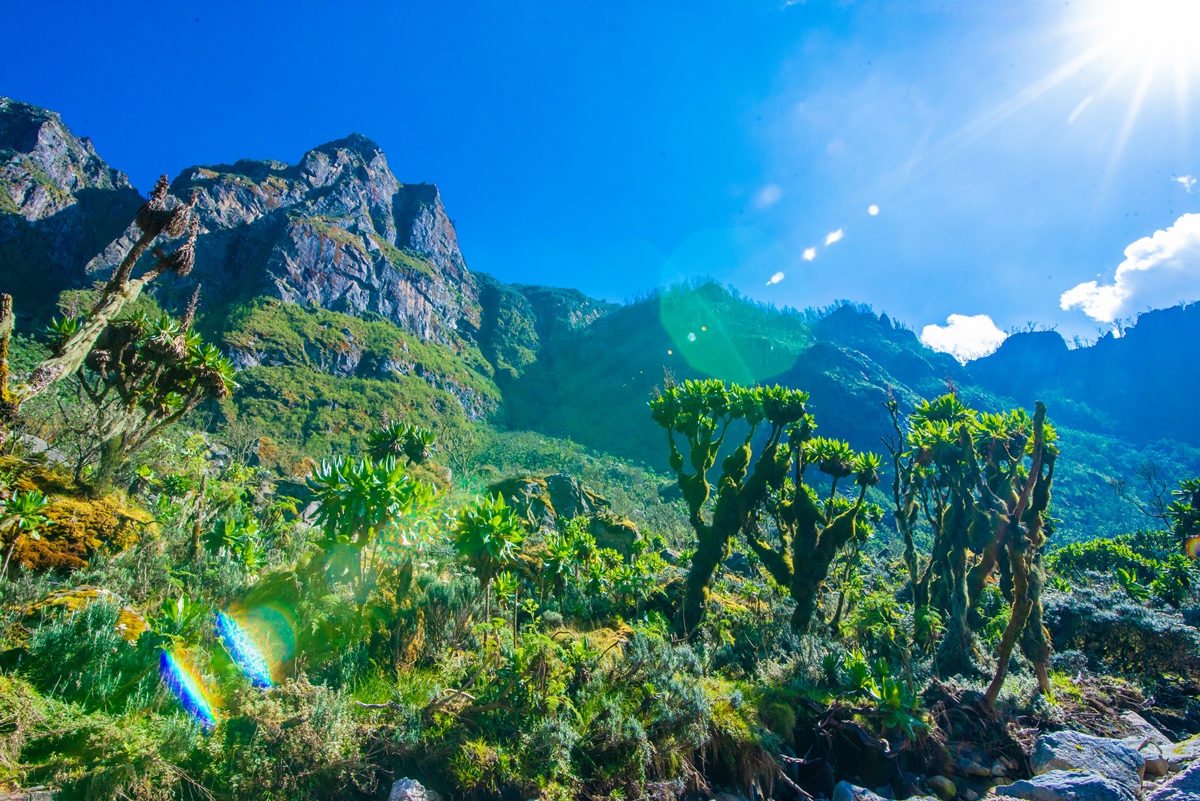
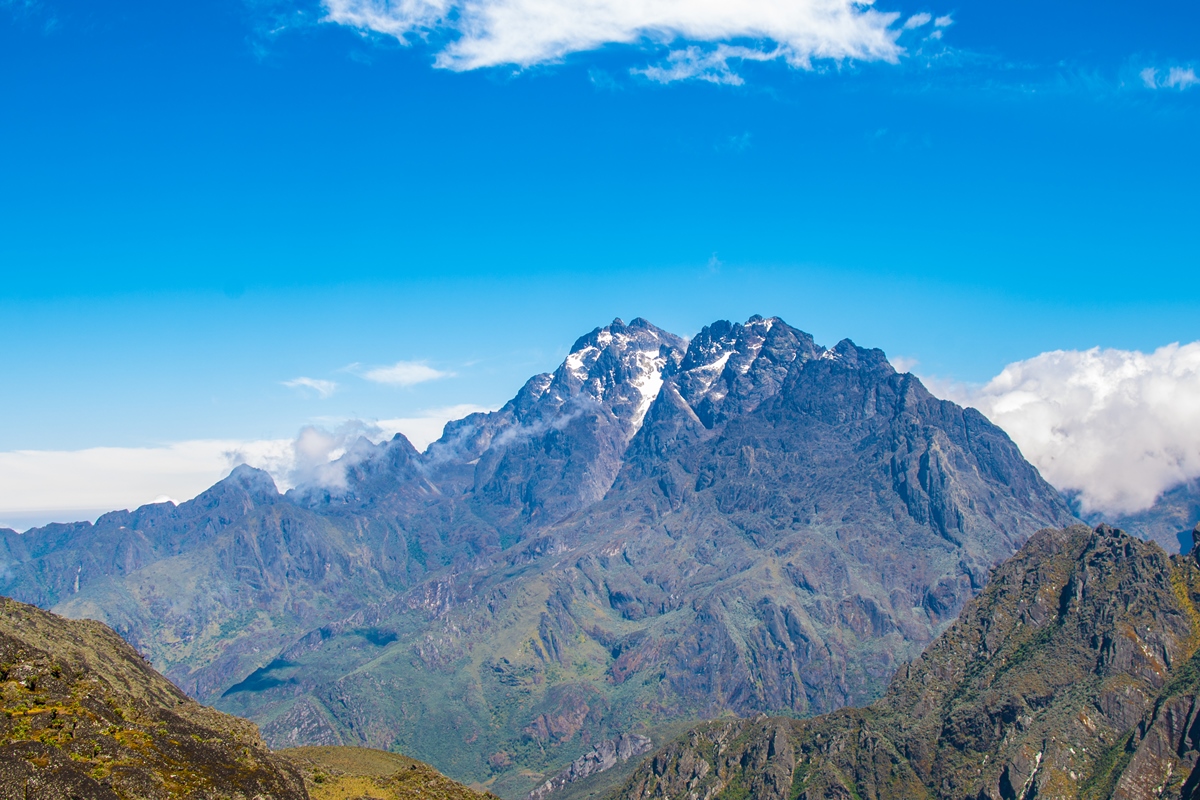
Home to the Batooro people (who speak Rutooro), the kingdom blends rich royal heritage with stunning landscapes, including the foothills of the Rwenzori Mountains (the "Mountains of the Moon"), crater lakes, tea plantations, and proximity to national parks like Kibale and Semuliki.
Founded in 1830 by Omukama Kaboyo Olimi I, who seceded from the neighboring Bunyoro Kingdom, Tooro has a history tied to ancient empires like Kitara.
The monarchy was abolished in 1967 but reinstated in 1993 under Uganda's constitution.
The current ruler is His Majesty Omukama Oyo Nyimba Kabamba Iguru Rukidi IV (commonly known as King Oyo), who ascended the throne in 1995 at just three years old, making him one of the world's youngest monarchs at the time.
Today, the kingdom thrives as a cultural hub, promoting tourism, conservation, education, and community development while preserving Batooro traditions, royal ceremonies, and warm hospitality.
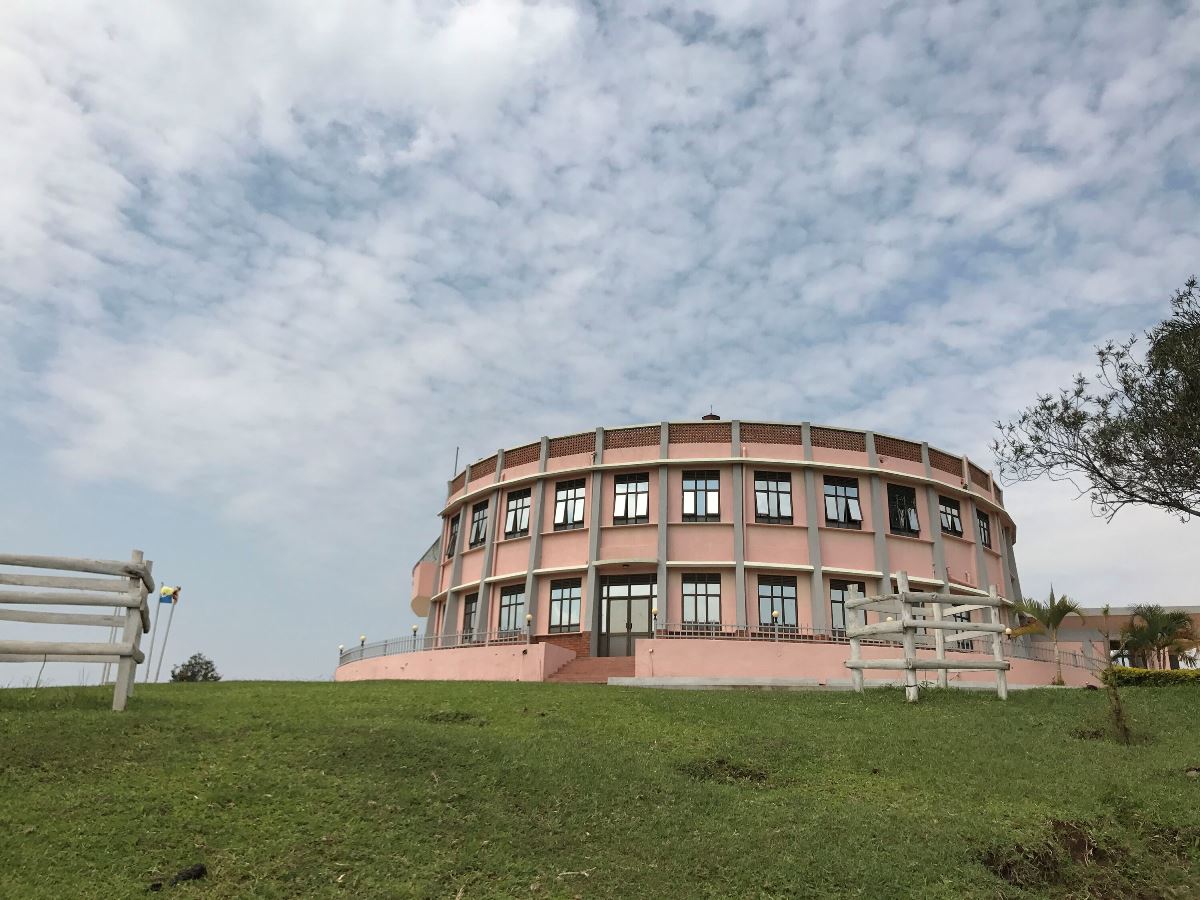
Visitors often explore the iconic Karuzika Royal Palace, legendary sites like Amabere Ga Nyina Mwiru Caves, and the kingdom's vibrant heritage, offering a perfect blend of history, nature, and authentic Ugandan culture.
Location of Tooro Kingdom, Western Uganda
The Tooro Kingdom is a Bantu kingdom located within the borders of Uganda. The current Omukama of Tooro is King Oyo Nyimba Kabamba Iguru Rukidi IV.
King Oyo Nyimba Kabamba Iguru Rukidi IV took to the throne of Tooro kingdom in 1995 at the age of just three years, after the death of his father Omukama Patrick David Matthew Kaboyo Rwamuhokya Olimi III on August 26, 1995, at the age of 50.
The people native to the kingdom are the Batooro, and their language is likewise called Rutooro.
The Batooro and Banyoro speak closely related languages, Rutooro and Runyoro, and share many other similar cultural traits. The Batooro live on Uganda's western border, south of Lake Albert.
Tooro Kingdom History, Western Uganda
The Tooro Kingdom evolved out of a breakaway segment of Bunyoro sometime before the nineteenth century.
Tooro Kingdom was founded in 1830 when Omukama Kaboyo Olimi I, the eldest son of Omukama of Bunyoro Nyamutukura Kyebambe III of Bunyoro, seceded and established his own independent kingdom. Absorbed into Bunyoro-Kitara in 1876, it reasserted its independence in 1891.
As with Buganda, Bunyoro, and Busoga, Tooro's monarchy was abolished in 1967 by the Government of Uganda, but was reinstated in 1993.
Cultural Influence of Tooro Kingdom, Western Uganda
The Austrian painter Friedensreich Hundertwasser (1928–2000) spent some time there in the 1960s where he painted a number of works and named them after the kingdom.
The Batooro people have a strong culture but similar in stratification to Banyoro. They have got a strong cultural naming system (PET NAME) known as Empaako.
With the Empaako naming system, children are given one of twelve names shared across the communities in addition to their given and family names.
Addressing someone by his or her Empaako is a positive affirmation of cultural ties. It can be used as a form of greeting or a declaration of affection, respect, honour or love.
Use of Empaako can defuse tension or anger and sends a strong message about social identity and unity, peace and reconciliation.
The Empaako names are: Amooti, Abbooki, Akiiki, Ateenyi, Adyeri, Atwoki, Abwoli, Araali, Acaali, Bbala, and Okaali.
Who was the first King of Tooro Kingdom?
The first King (Omukama) of the Tooro Kingdom was Rukirabasaija Kaboyo Olimi I (also known as Kaboyo Olimi I Kasunsunkwanzi or simply Kaboyo Olimi I).
He founded the kingdom around 1830 (some sources cite as early as 1822) by seceding from the Bunyoro-Kitara Kingdom, where he was the eldest son of Omukama Nyamutukura Kyebambe III.
As a prince, Kaboyo rebelled against his father, declared independence in the southern territories of Bunyoro, and established Tooro as a separate monarchy.
He was warmly accepted by the local Batooro people and established the ruling lineage known as Ababiito Ababoyo (descendants of Kaboyo).
He reigned from approximately 1830 to 1861 (about 31 years), consolidating power, expanding influence, and laying the foundation for Tooro's distinct identity, royal traditions, and cultural heritage-separate yet linked to the ancient Babiito dynasty of Kitara/Bunyoro.
Abakama Ba Tooro (Kings Of Tooro) Since 1800
The following is a list of the Abakama of Tooro:
Olimi I: 1822–1865
Ruhaga of Tooro: 1865–1866
Nyaika Kyebambe I: 1866–1871 and 1871–1872
Rukidi I: 1871
Olimi II: 1872–1875
Rukidi II: 1875–1875
Rububi Kyebambe II: 1875 and 1877–1879
Kakende Nyamuyonjo: 1875–1876 and 1879–1880
Katera: 1876–1877
Interregnum, reverted to Bunyoro: 1880–1891
Kyebambe III: 1891–1928
Rukidi III: 1929–1965
Olimi III: 1965–1967 and 1993–1995
Who is Tooro Kingdom's Prime Minister?
The Prime Minister (known as Omuhikirwa in Rutooro) of the Tooro Kingdom is Rt. Hon. Calvin Armstrong Rwomiire Akiiki (also referred to as Calvin Rwomire Armstrong Akiiki).
He was appointed by His Majesty Omukama Oyo Nyimba Kabamba Iguru Rukidi IV on February 14th, 2025, during a session of the Kingdom's Supreme Council (Orukurato) at the Muchwa headquarters in Fort Portal City.
Rt. Hon. Calvin Armstrong Rwomiire Akiiki replaced the previous Prime Minister, Steven Kiyingi (who served from 2022).
Tooro Kingdom Districts
The Tooro Kingdom (Obukama bwa Tooro) in western Uganda is closely aligned with the Tooro sub-region, and the kingdom’s cultural/administrative territory primarily covers the following districts (and one city).
The kingdom's boundaries have also evolved over time due to district creations and secessions for example areas like Kasese, Bundibugyo, and Ntoroko were historically part of the original kingdom but are now separate, often linked to the neighboring Rwenzori sub-region.
Current Districts in the Tooro Kingdom / Tooro Sub-Region:
- Bunyangabu District (carved out of Kabarole in 2017)
- Kabarole District (home to the capital, Fort Portal, and the royal palace)
- Kamwenge District
- Kyegegwa District (split from Kyenjojo in 2009)
- Kyenjojo District
Additionally, Fort Portal City (elevated from municipal status) is the kingdom's headquarters and royal seat, often included in sub-regional counts.
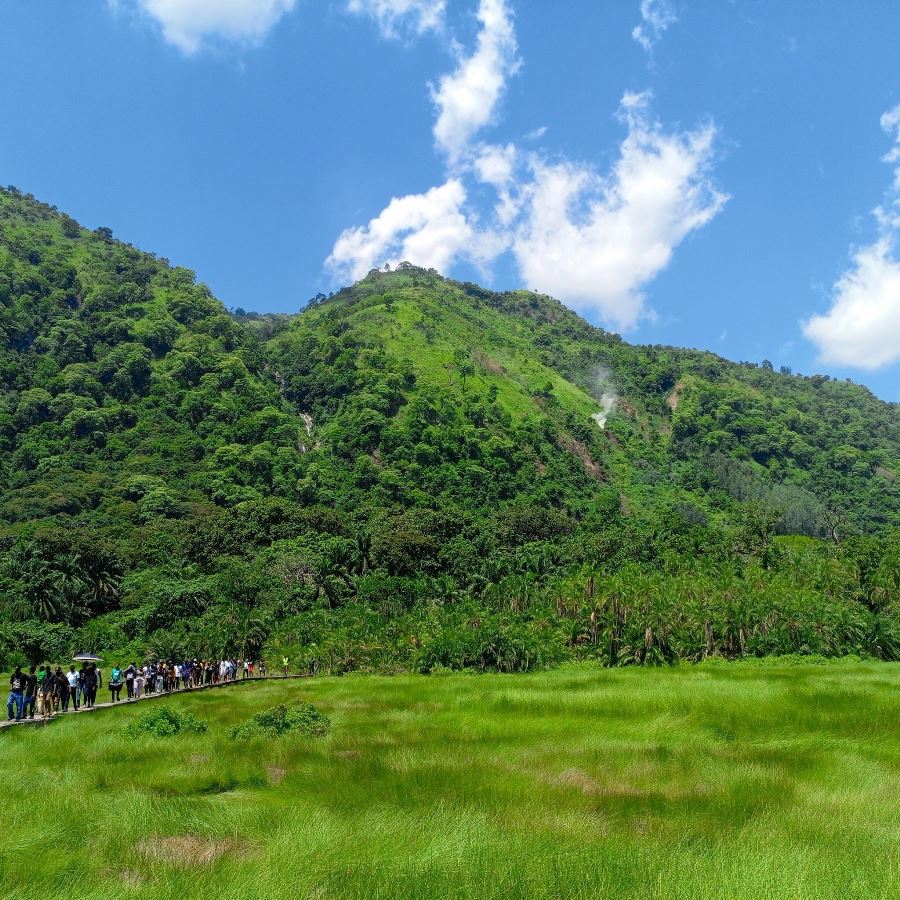
These five districts plus Fort Portal City form the core of the modern Tooro Kingdom's jurisdiction, home to the Batooro people and centered around cultural preservation, tourism (tea estates, Rwenzori foothills, crater lakes), and community development.
Some older sources (pre-2017) list only four districts (excluding Bunyangabu), but the current alignment includes all five.
The kingdom does not formally administer government districts but overlaps geographically and culturally with them.
If you're planning travel, tours, or cultural visits, book with us at Responsible Tourism Company for an unforgettable experience. Whatsapp or call +256 704023485