
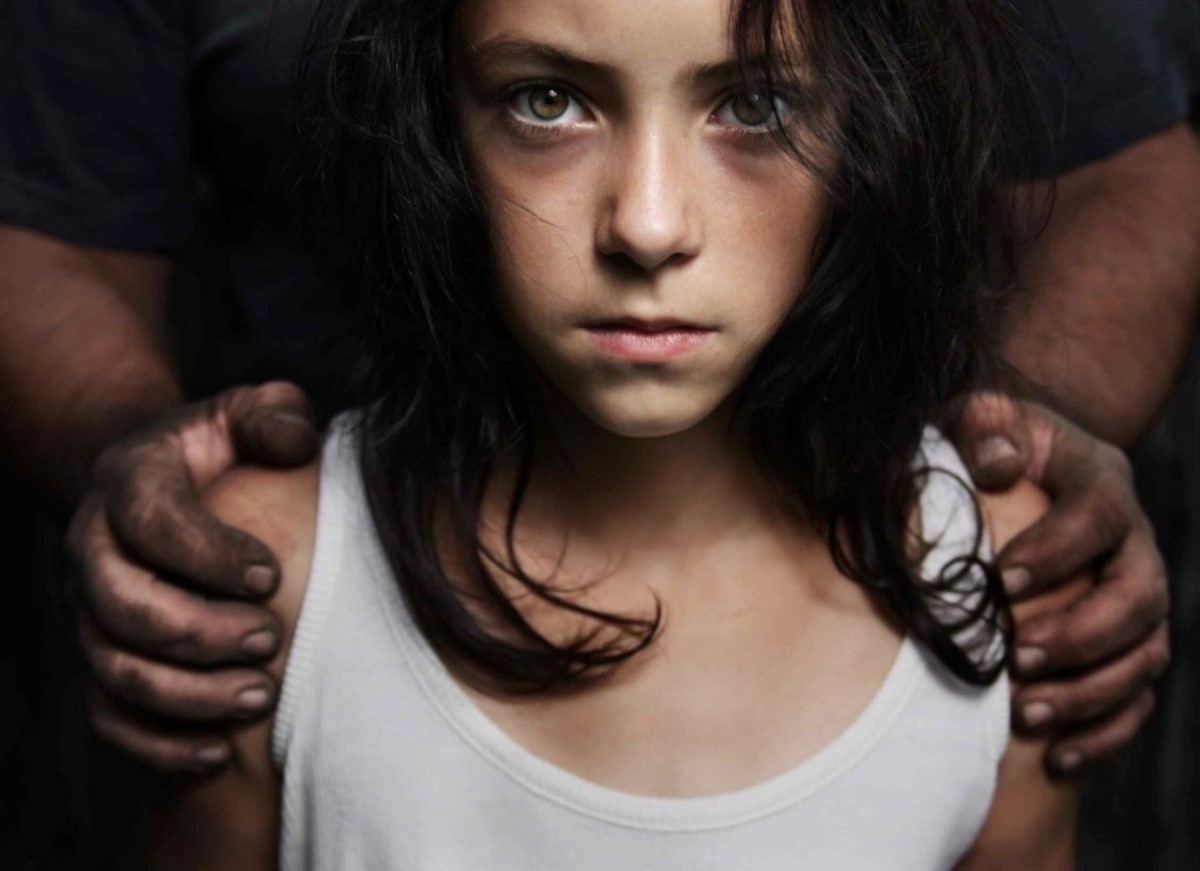
The travel and tourism industry, often celebrated for its ability to connect cultures and boost economies, has a dark underbelly: the exploitation of children.
This serious issue, known as child sexual exploitation in travel and tourism (CSECTT), involves the abuse of vulnerable children by travelers, tourists, or intermediaries for profit or gratification.
Despite global efforts, this problem persists, affecting millions of children in destinations worldwide.
In this article, we’ll explore what child exploitation in travel and tourism entails, why it continues, and actionable steps to combat it, empowering readers to make a difference.
What Is Child Exploitation in Travel and Tourism?
Child exploitation in travel and tourism refers to the sexual abuse or exploitation of children by individuals, often travelers or tourists, who take advantage of economic disparities, lax regulations, or social vulnerabilities in destination countries. This can include:
Child Sex Tourism: Travelers seeking sexual encounters with minors, often facilitated by local intermediaries like pimps or corrupt officials.
Trafficking for Exploitation: Children coerced or trafficked into prostitution or forced labor to cater to tourists.
Orphanage Tourism: Unregulated volunteering in orphanages where children are exploited for profit under the guise of “charity.”
Online Exploitation: The use of digital platforms to groom or exploit children, often linked to tourism networks.
According to ECPAT International (End Child Prostitution and Trafficking International), a global network dedicated to ending child exploitation, an estimated 1 in 5 children in vulnerable communities face risks of exploitation linked to tourism.
Popular destinations like Southeast Asia, Latin America, and parts of Africa are particularly affected due to poverty, weak legal systems, and high tourist influxes.
Why Does Child Exploitation in Tourism Persist?
Despite growing awareness, several factors allow this issue to thrive:
- Economic Disparities:
In many developing countries, poverty pushes families and children into vulnerable situations. Tourists, often perceived as wealthy, create demand that local intermediaries exploit, offering children for profit.
- Weak Legal Enforcement:
Some countries lack robust laws or the resources to enforce them. Corrupt officials may turn a blind eye, allowing perpetrators to act with impunity.
A 2025 report by the United Nations World Tourism Organization noted that only 40% of high-risk countries have dedicated task forces to combat child sexual exploitation in travel and tourism (CSECTT).
- Unregulated Tourism Practices:
The rise of voluntourism, particularly in orphanages, has led to exploitative practices.
Many “orphanages” are profit-driven, keeping children in poor conditions to attract donations from well-meaning tourists.
- Digital Facilitation:
The internet has made it easier for perpetrators to connect with intermediaries or victims. Social media and encrypted apps are increasingly used to arrange exploitative encounters, complicating law enforcement efforts.
- Lack of Awareness:
Many travelers are unaware of the issue or how their actions, such as visiting unregulated orphanages contribute to exploitation. This ignorance perpetuates the cycle.
The Impact of Child Exploitation in Tourism on Children
The consequences of child exploitation are devastating. Children face physical and psychological trauma, loss of education, and social stigmatization.
Many are trapped in cycles of poverty and abuse, with long-term effects on their health and well-being. The ripple effect extends to communities, undermining trust and economic stability.
How to Stop Child Exploitation in Travel and Tourism
Ending this issue requires collective action from governments, the tourism industry, travelers, and local communities. Here are practical, impactful steps to make a difference:
- Support Ethical Tourism Practices
Choose travel operators and accommodations committed to child protection. Look for certifications like the Code of Conduct for the Protection of Children from Sexual Exploitation in Travel and Tourism (The Code), endorsed by ECPAT International (End Child Prostitution and Trafficking International).
Companies like Intrepid Travel and Marriott International have adopted such standards, ensuring child-safe practices.
- Educate Yourself and Others
Learn to recognize signs of exploitation, such as children soliciting tourists or unregistered orphanages soliciting volunteers.
Share resources from organizations like ECPAT International (End Child Prostitution and Trafficking International) or UNICEF (United Nations International Children’s Emergency Fund) with fellow travelers.
Awareness campaigns, like those launched by the United Nations World Tourism Organization (UNWTO) in 2024, have reached over 10 million travelers, reducing unintentional support for exploitative practices.
- Avoid Orphanage Tourism
Many orphanages exploit children for profit. Instead of volunteering at or donating to unverified orphanages, support community-based organizations that prioritize family reunification and education. Websites like Better Care Network provide lists of reputable programs.
- Report Suspicious Activity
If you witness suspicious behavior, such as adults engaging inappropriately with children, report it to local authorities or international hotlines like Interpol’s tipline.
Apps like Report Child Sex Tourism by ECPAT International (End Child Prostitution and Trafficking International)allow anonymous reporting, increasing accountability.
- Advocate for Stronger Laws
Support policies that strengthen child protection. Urge governments to adopt stricter penalties for offenders and fund law enforcement training.
In 2025, countries like Thailand and Brazil implemented tougher laws, leading to a 15% decrease in reported child sexual exploitation in travel and tourism (CSECTT) cases.
- Use Technology Responsibly
Avoid sharing photos or videos of children in vulnerable situations on social media, as these can be misused.
Support platforms that monitor and remove exploitative content, such as Thorn’s Safer app, which has identified thousands of at-risk children since its 2023 launch.
- Empower Local Communities
Donate to or volunteer with organizations that address root causes like poverty and lack of education.
Programs like Plan International’s child sponsorship initiatives have helped over 1 million children access schooling, reducing their vulnerability to exploitation.
The Role of Travelers in Change
As travelers, your choices matter. By prioritizing ethical tourism, asking questions about the impact of your trips, and supporting child-focused organizations, you can help dismantle the systems that enable exploitation.
Every small action, whether reporting suspicious activity or choosing a responsible tour operator, creates a ripple effect toward a safer world for children.
A Call to Action
Child exploitation in travel and tourism is a complex issue, but it’s not insurmountable. By understanding its causes, advocating for change, and making informed choices, we can protect vulnerable children and ensure tourism becomes a force for good.
Start today: educate yourself, support ethical practices, and spread the word. Together, we can build a future where every child is safe, valued, and free from exploitation.
Book Cars + Hotels in Kampala
Get Kampala Car Rental & Hotel Deals in Kampala When You Book Them Together! Find deals from $50 per by comparing on Responsible Tourism Company. Visit our website. Responsible Tourism Company Rental Cars https://responsibletourismcompany.com/transportation-services/
Book tours with Responsible Tourism Company for an unforgettable experience from wildlife safari tours, adventure tours among others on our Uganda Tour Packages.