Hoima City Stadium | Uganda’s Newest Sports Tourism Hub & Top Hoima Attraction
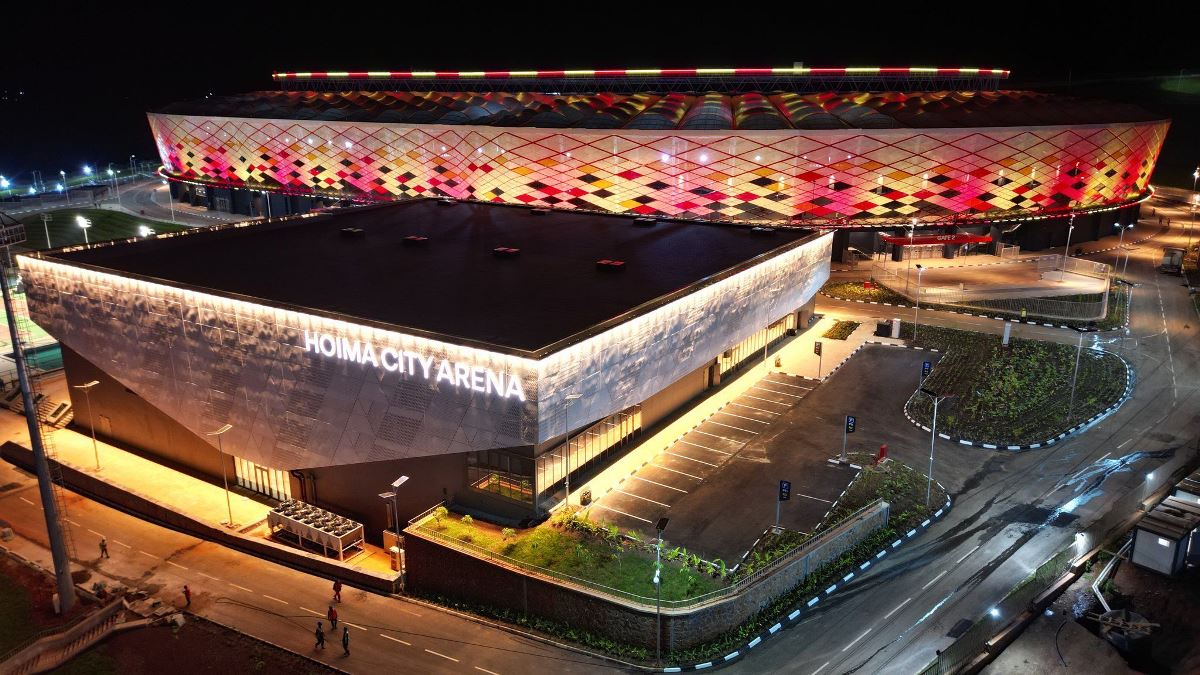
Hoima City Stadium stands as the flagship multi-purpose venue in Hoima City, the vibrant capital of Uganda’s Bunyoro Sub-Region.
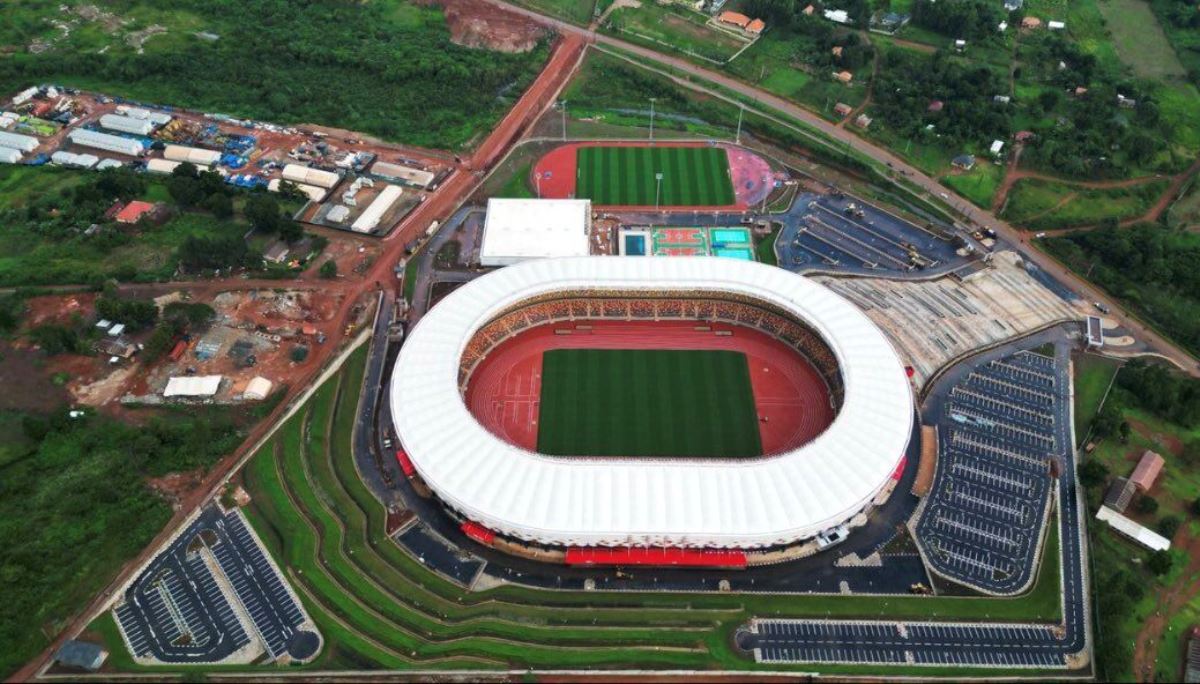
Located in the heart of the Albertine Graben oil-rich district, this modern 12,000-capacity arena serves football matches, athletics events, cultural festivals, and corporate gatherings, making it the go-to destination for sports enthusiasts and event organizers searching for Hoima City Stadium Uganda facilities.
Hoima City Stadium Location
Situated along Hoima–Kampala Road just 3 km from the city center, the stadium occupies a 25-acre landscaped site at coordinates 1°25′40″N, 31°21′10″E. Travelers reach the venue via:
- Kampala–Hoima Highway (220 km, 3.5-hour drive)
- Hoima Public Transport Terminal (5-minute boda-boda ride)
- Pakuba Airfield (domestic flights from Entebbe, 45 minutes away)
The stadium borders Hoima Regional Referral Hospital and Bunyoro Kingdom Palace grounds, positioning it within walking distance of hotels, restaurants, and cultural landmarks.
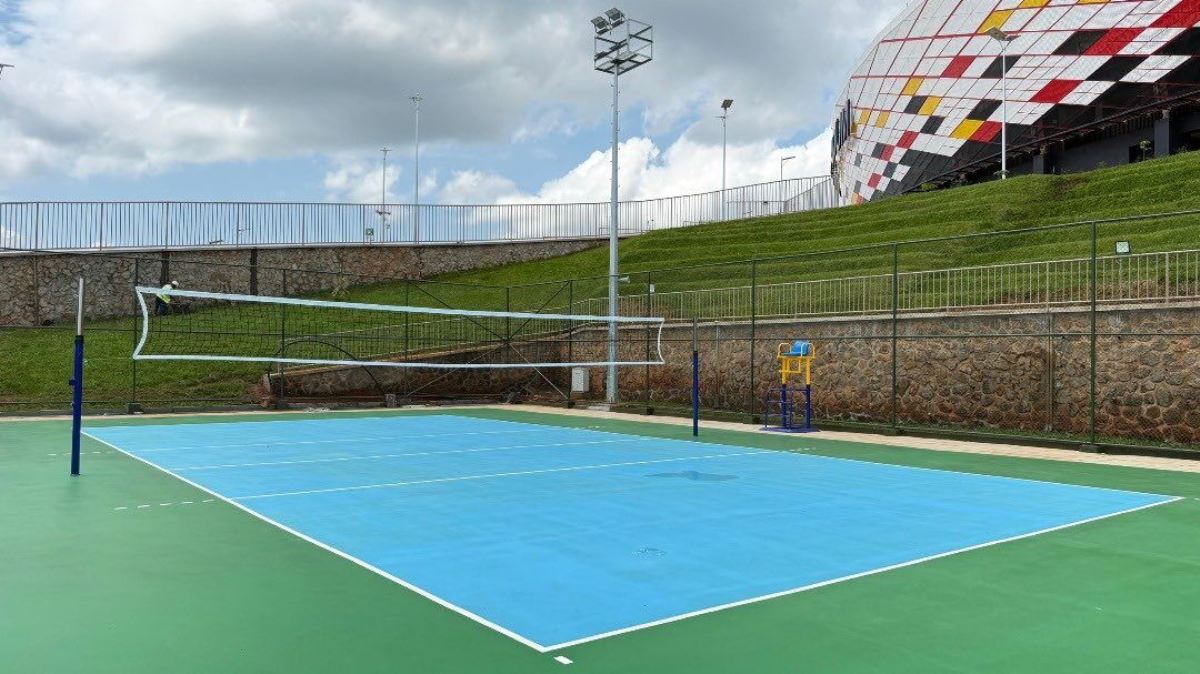
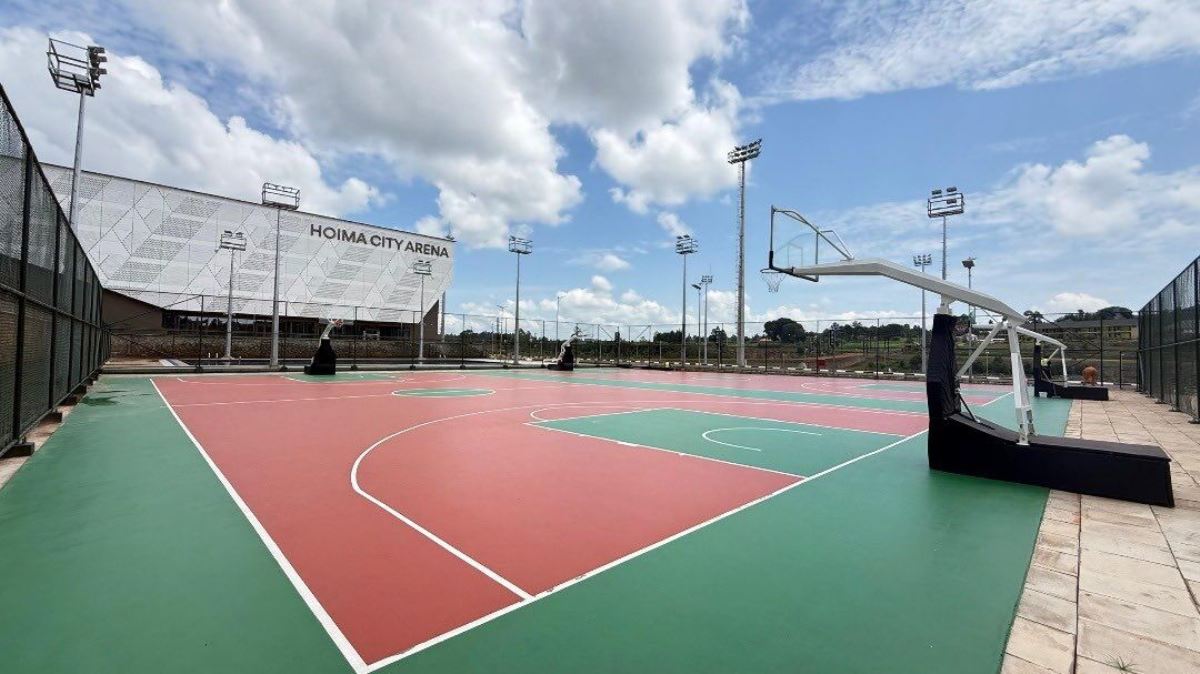
Hoima City Stadium Photos
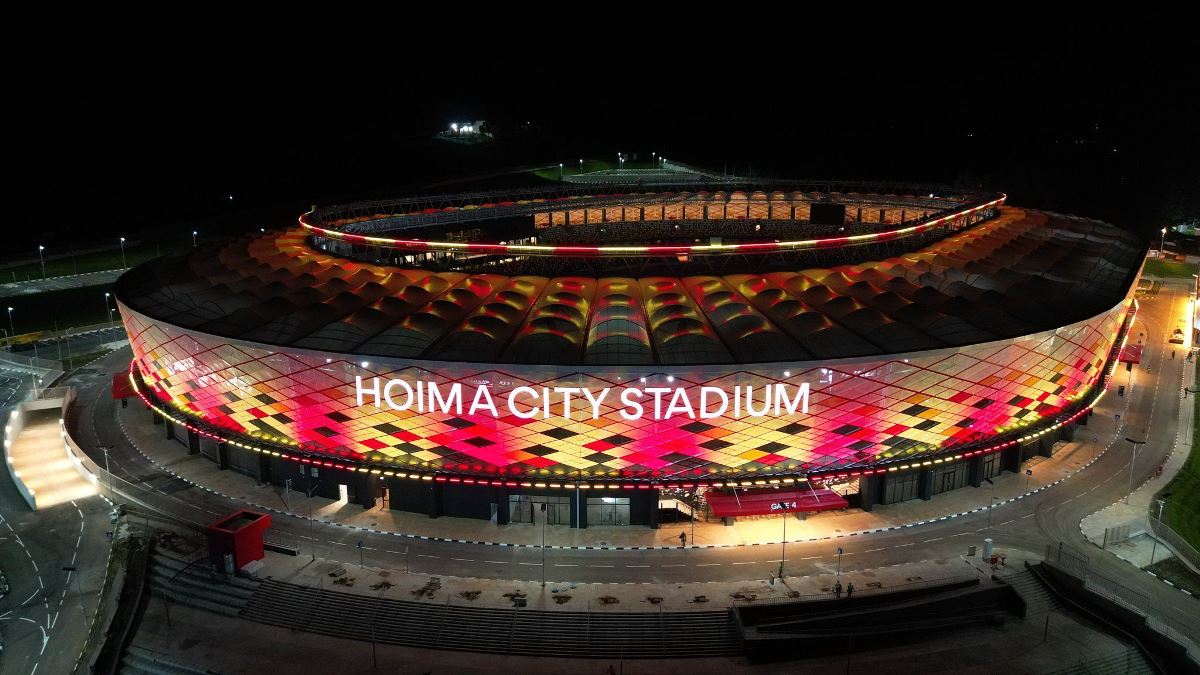
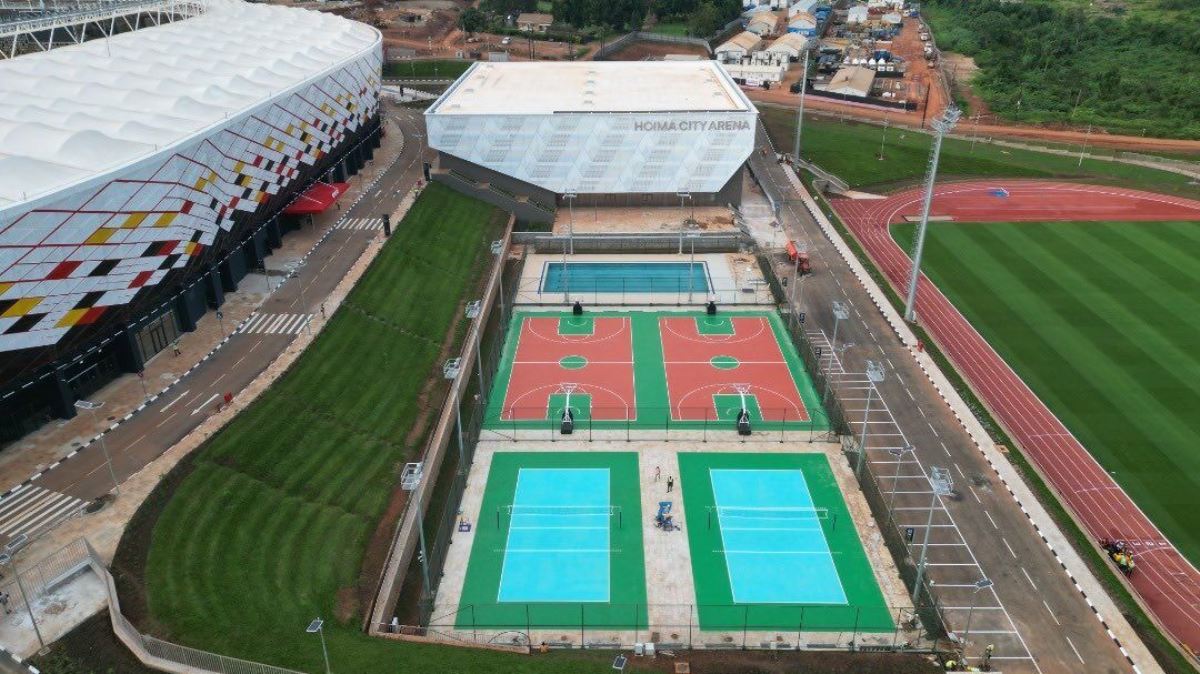

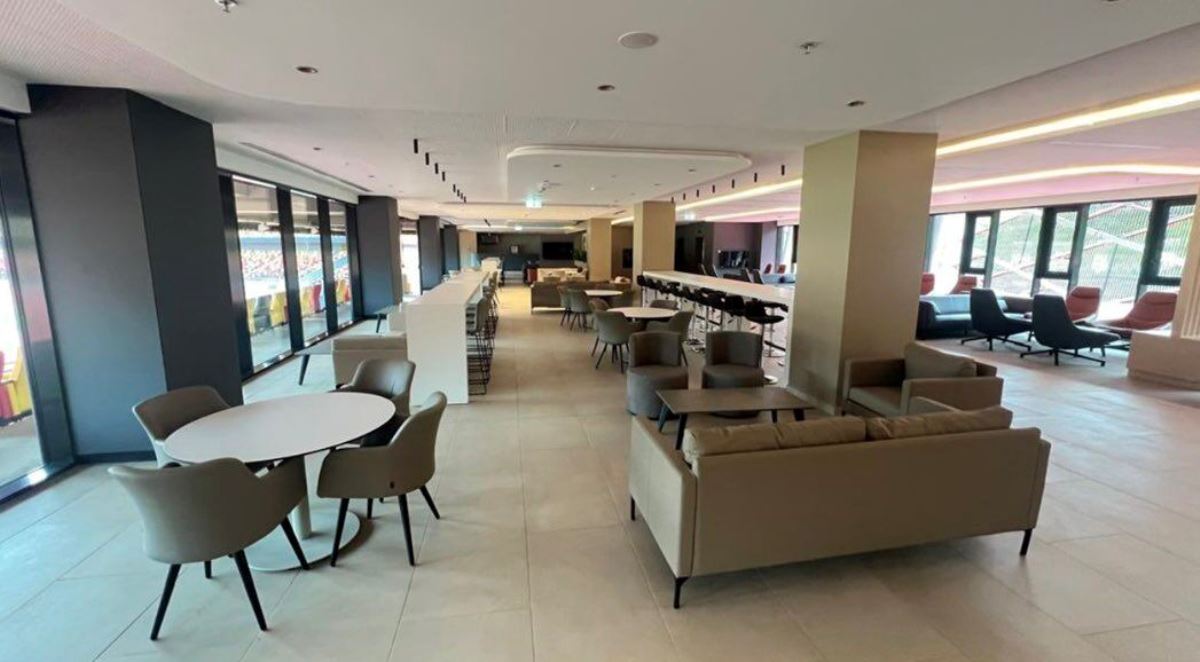
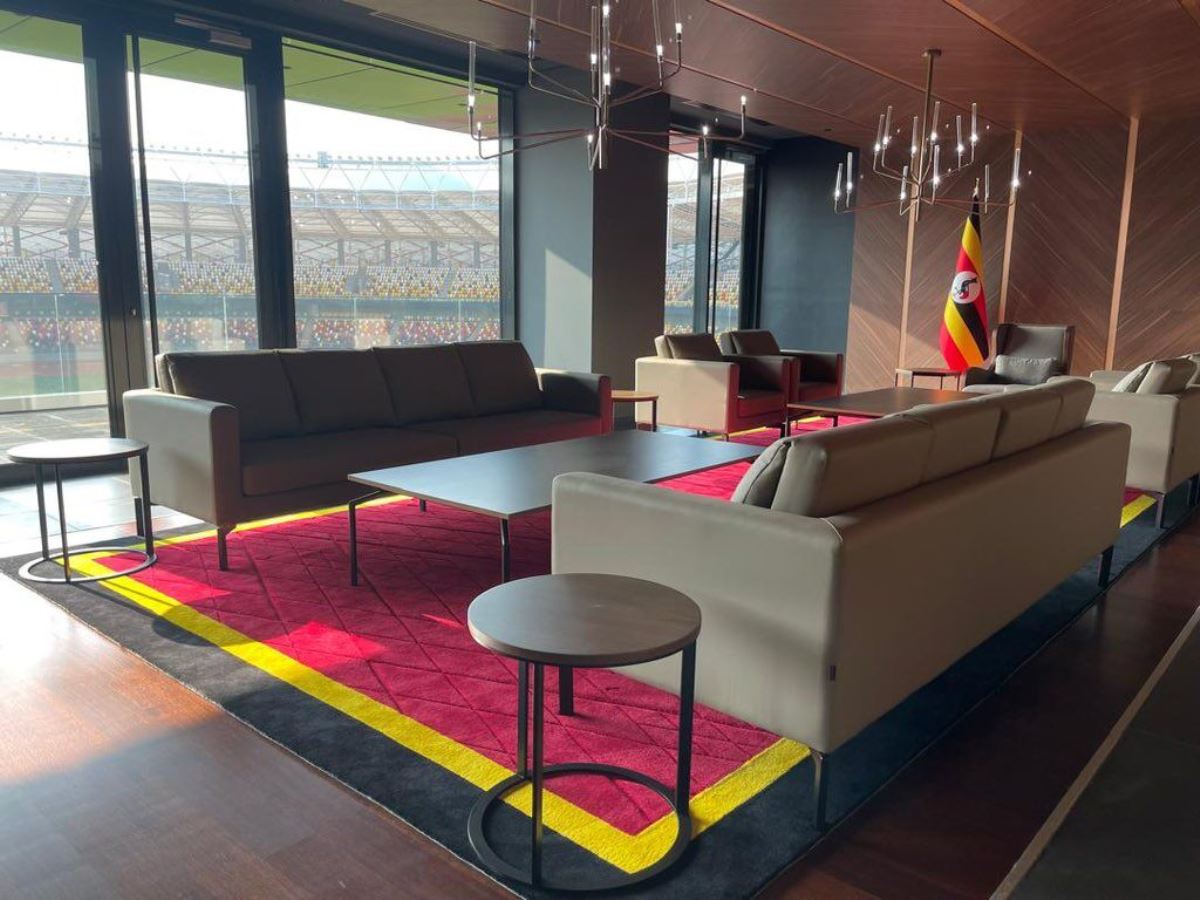
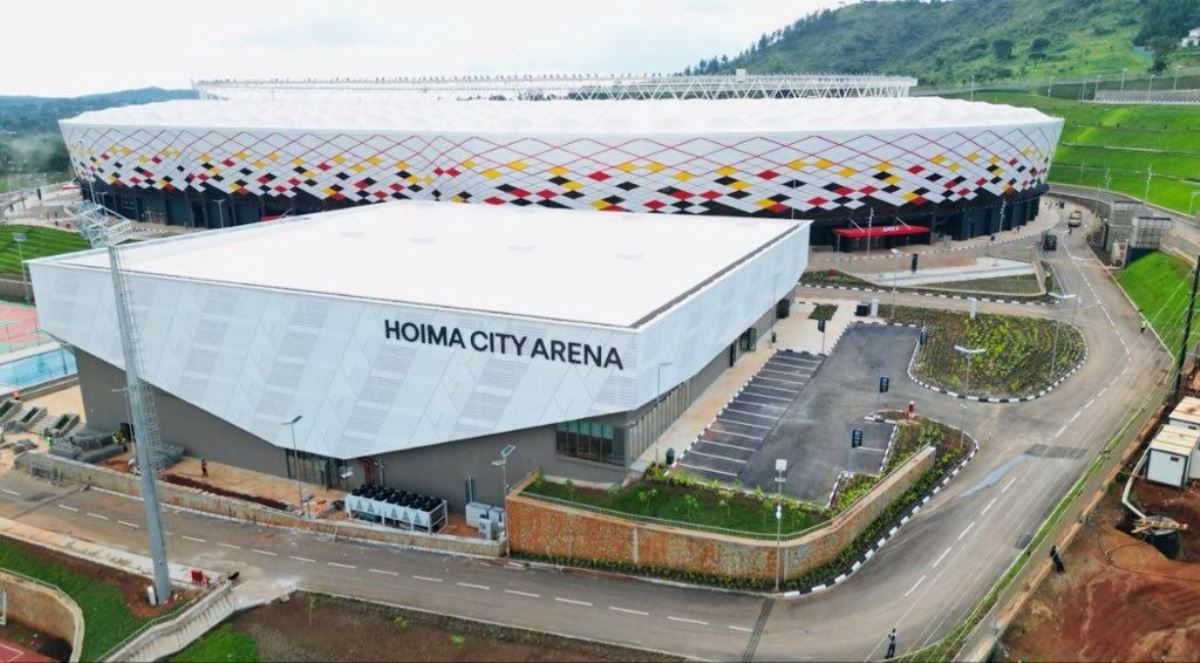
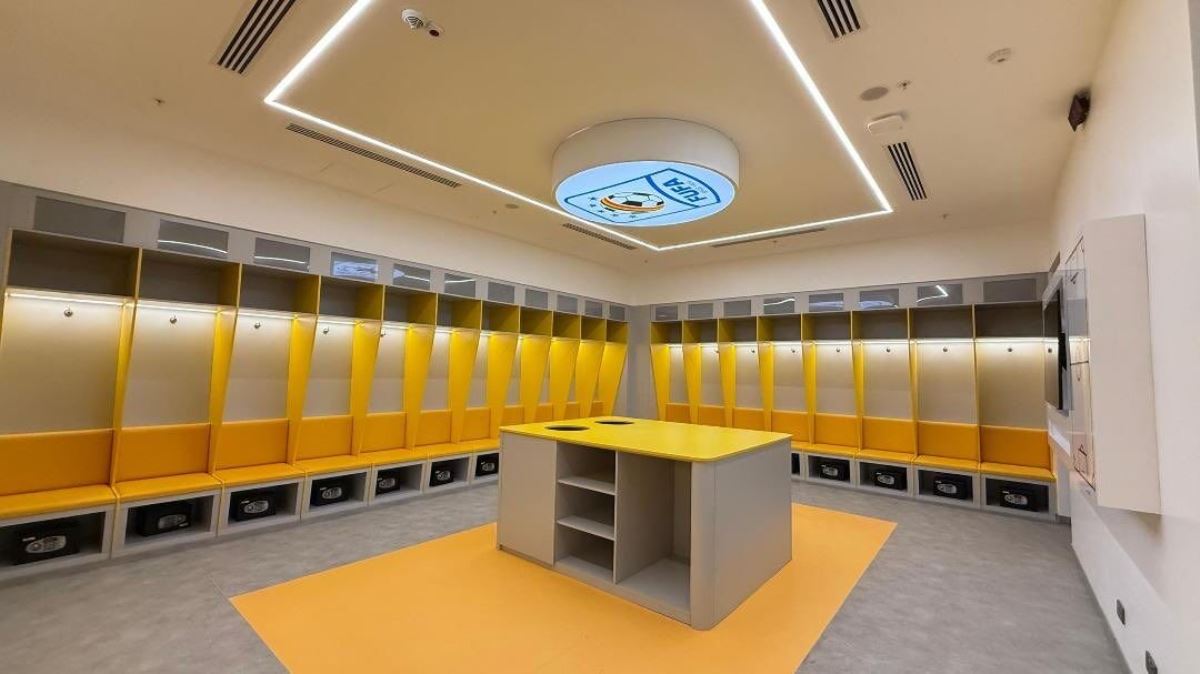
Hoima City Stadium Capacity
Hoima City Stadium has a capacity of 20,000 seats.
Key Features of Hoima City Stadium Uganda
- Seating Capacity: 12,000 (8,000 covered main stand)
- Pitch: FIFA-standard natural grass with underground drainage
- Athletics Track: 8-lane IAAF-certified 400 m oval
- Floodlights: 1,200 lux LED system for night matches
- VIP & Media Boxes: 300 executive seats + press gallery
Auxiliary Facilities:
- Gymnasium with cardio and weight zones
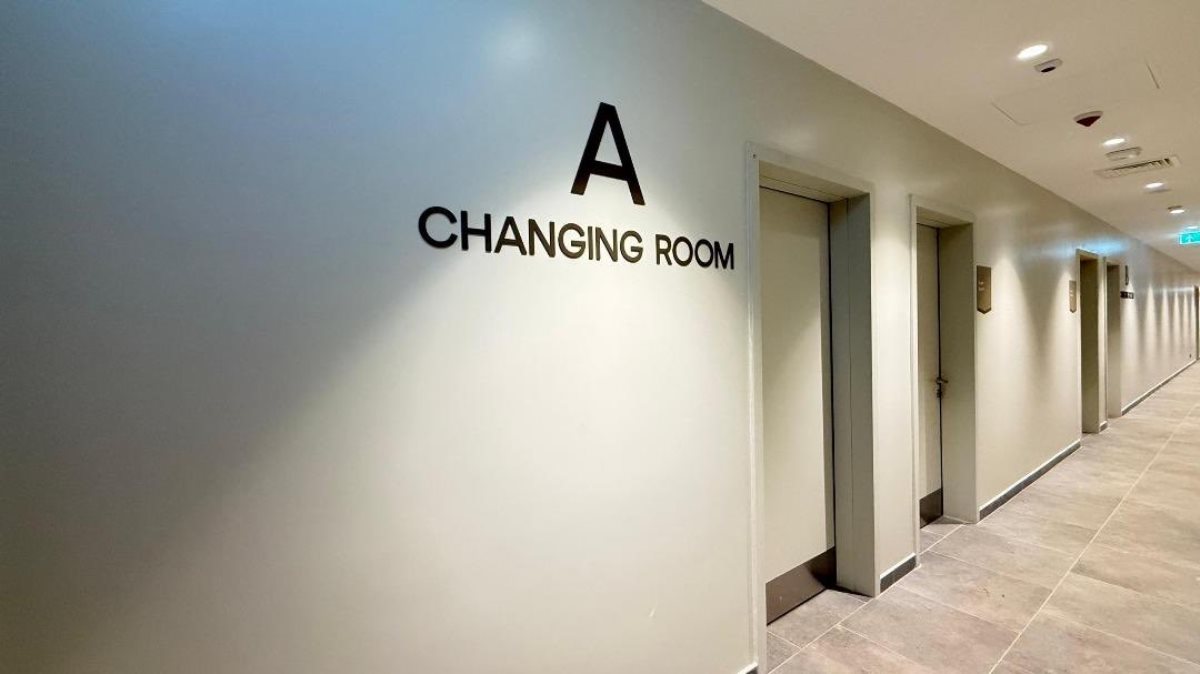
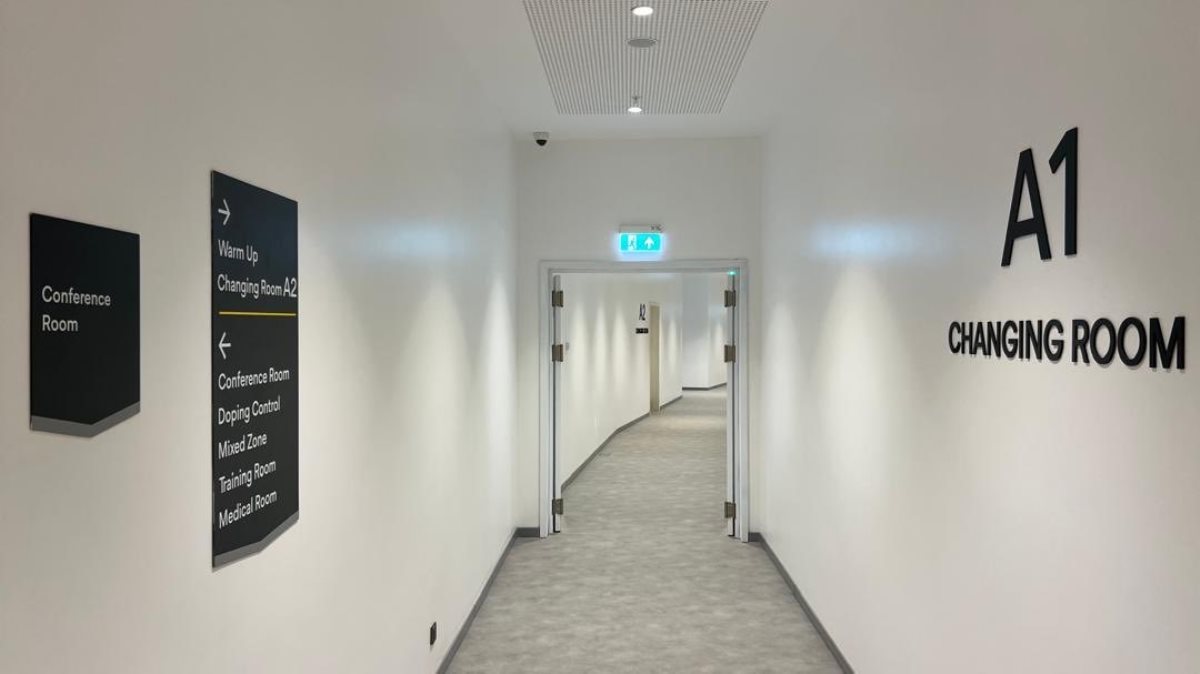
- 4 changing rooms (home, away, referees, women)
- Medical bay with ambulance bay
- 1,500-space parking lot
Events Hosted at Hoima City Stadium
The venue anchors the FUFA Big League calendar as home ground for Hoima City Football Club and regularly stages:
- Bunyoro Kingdom Coronation Anniversaries
- National Secondary School Sports Championships
- Corporate team-building retreats
- Live music concerts (up to 15,000 attendees with stage extensions)
Visitor Amenities at Hoima City Stadium
- Food Courts: Local luwombo, roasted goat, and fresh juice kiosks
- Merchandise Stalls: Official Hoima City Football Club jerseys and Bunyoro crafts
- Free Wi-Fi Zones: Main stand and media center
- Family Area: Children’s bounce castle during non-match days
Ready to host your next big event at Hoima City Stadium?
Contact Hoima City Council Sports Office now at +256 782 500 300 or visit hoimacity.go.ug/stadium to secure your booking and bring your football match, concert, or corporate gathering to Uganda’s premier Bunyoro venue!
What is the largest stadium in Uganda?
The largest stadium in Uganda is the Mandela National Stadium (also known as Namboole Stadium), located in Bweyogerene, a suburb of Kampala in Wakiso District.
Opened in 1997 as a gift from China, it has a seating capacity of 45,000 following major renovations completed in May 2024, which included permanent seating, a new pitch, floodlights, and dressing rooms costing 97 billion Ugandan Shillings.
It serves as the home ground for the Uganda national football team (the Uganda Cranes) and has hosted high-profile events like World Cup qualifiers, Africa Cup of Nations (AFCON) matches, and concerts.
Prior to the 2024 upgrades, its capacity was listed as high as 50,000 for standing-room crowds, but the current seated figure positions it ahead of the recently renovated Hamz Stadium (formerly Nakivubo Stadium) at 35,000.
What football teams are based in Hoima?
Hoima, in Uganda's Western Region and Bunyoro Sub-Region, is home to at least two notable football clubs:
Kitara FC (also known as Kitara Hoima):
A professional club competing in the Uganda Premier League (StarTimes Uganda Premier League).
Based in Hoima City, they play their home matches at the Hoima City Stadium (under construction with a planned 20,000 capacity).
Kitara FC, founded in 2014, has risen through the ranks and is known for representing the oil-rich Albertine Graben region.
Hoima FC:
A lower-tier club listed in Uganda's football associations, primarily competing in regional or second-division leagues.
This football club operates from a base in Hoima with contact details tied to the city's postal address (PO Box 315, Hoima).
These teams contribute to the growing football scene in Hoima, supported by the city's new stadium infrastructure aimed at hosting Africa Cup of Nations (AFCON) 2027 matches.
What is the best football stadium in Uganda?
The Hamz Stadium (renovated Nakivubo War Memorial Stadium) in Kampala is widely regarded as the top venue for football as of 2025.
Completed in early 2024 with a US$200 million investment led by businessman Hamis Kiggundu, it features a FIFA-certified artificial turf (valid until 2027), 35,000 seats (including 10,000 VIP and 5,000 VVIP), 40 executive boxes, athletics tracks, a basketball court, and a boxing ring.
The stadium’s central location near Owino Market and Ham Shopping Grounds, plus its role in hosting Africa Nations Championship (CHAN) 2024 and upcoming Africa Cup of Nations (AFCON) 2027 qualifiers, make it a state-of-the-art hub for matches involving clubs like Express FC and URA FC.
Runners-up include the Mandela National Stadium for its national significance and capacity, and St. Mary's Stadium-Kitende (home to Vipers SC) for its modern design and beauty, often called Uganda's most aesthetically pleasing pitch.
Which stadium is bigger in East Africa?
The largest stadium in East Africa (Burundi, Comoros, Djibouti, Eritrea, Ethiopia, Kenya, Rwanda, Seychelles, Somalia, South Sudan, Tanzania, Uganda) is the Moi International Sports Centre (Kasarani Stadium) in Nairobi, Kenya, with a seating capacity of 60,000.
Built in 1987 for the All-Africa Games and renovated in 2024 (reducing capacity from 65,000 to 55,000–60,000 for safety and added roof/floodlights), the stadium hosts football for the Kenya national team (Harambee Stars), Gor Mahia FC, and AFC Leopards, as well as rugby and athletics.
Moi International Sports Centre will feature prominently in Africa Nations Championship (CHAN) and AFCON 2027.
This stadium surpasses Tanzania's Benjamin Mkapa Stadium (60,000, but often cited as slightly lower post-renovations) and Uganda's Mandela National Stadium (45,000).