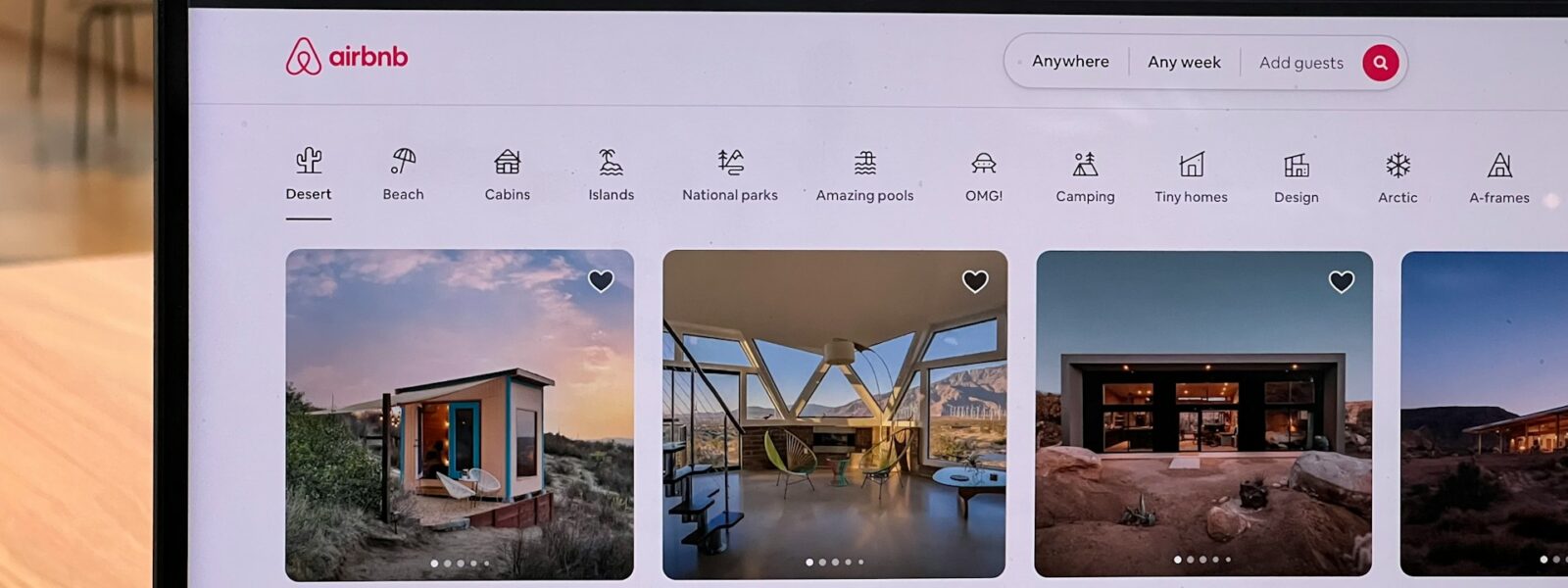
Airbnb is everywhere now. But is booking a stay in Europe truly different from using the platform in the U.S.? The short answer: yes—and no. The platform may look the same on your phone, but behind the scenes, there are major differences in laws, pricing, hosting culture, expectations, and even check-in routines that can shape your entire trip.
Here’s what travelers need to know before hitting “book now,” plus real-world insights from people who’ve stayed in Airbnbs across both continents.
Pricing Transparency: Europe Wins
One of the most immediate differences between the two regions is how prices are shown. In the U.S., it’s common to click on a listing that says “$120 a night”—only to get hit with $250+ once cleaning fees, service charges, and taxes are added.
In Europe, consumer protection laws often require that all fees be shown upfront, especially when booking through a European point of sale. This includes taxes and mandatory cleaning fees. It makes comparisons easier and expectations clearer.
👉 Quick tip: If you’re booking a U.S. Airbnb from Europe, you’ll often see all-inclusive prices too. Use this to your advantage.
The Rise of Hidden Fees in the U.S.
From $200 cleaning fees to absurd lists of chores before checkout, many U.S.-based Airbnbs have leaned hard into the “you do the work, we take the money” model. It’s not just anecdotal—there’s been a documented increase in:
-
Cleaning fees that rival hotel nightly rates
-
Early checkout penalties
-
“Do the laundry before you leave” expectations
By contrast, while you can still find this in Europe, it’s less common and usually clearly stated up front.
🤝 Host Interaction: Personal vs. Automated
Another key difference lies in host interaction:
-
Europe: In many cities—especially southern or eastern Europe—it’s still common to meet your host in person, sometimes at awkward hours. This can mean planning your arrival time closely and messaging back and forth a lot.
-
U.S.: Self check-in via lockbox or smart lock is the norm. You often won’t see or speak to anyone.
That said, Europe has started to catch up, especially in major cities, where remote check-in and automated instructions are more widely adopted.
Quality & Consistency: A Mixed Bag on Both Sides
Whether you’re in Paris or Portland, Airbnb’s biggest weakness is still inconsistency. Some stays are pristine, others are sketchy. And that applies everywhere.
Still, some users report:
-
More issues with cleanliness and false listings in Europe
-
More investor-run, soulless units in the U.S.
-
A wider range of authenticity in Europe (you might be in a 17th-century flat or a farm cottage)
👉 Do this: Always filter by superhost, check recent reviews, and read between the lines. Photos can lie; guest reviews usually don’t.
Value: Europe Often Comes Out Cheaper (For Now)
Airbnb used to be a cheaper alternative to hotels everywhere. That’s changing.
In the U.S., Airbnbs often match or even exceed hotel prices—without the perks. Hotels offer:
-
Free breakfast
-
Front desk security
-
Gyms or pools
-
Daily cleaning
For many travelers, especially solo or short-term ones, hotels now offer better value in the U.S..
In Europe, however, Airbnbs are often still 20–30% cheaper than hotels of similar quality—especially in less touristy cities or rural areas.
Legal Issues & Housing Impact: Global Problem, Local Rules
Let’s be real: Airbnb has disrupted housing markets on both sides of the Atlantic. But the laws and enforcement vary wildly.
-
Europe: Major cities like Barcelona, Amsterdam, Berlin, and Paris have cracked down on illegal short-term rentals. Many listings technically violate local laws, even if they’re still available to book.
-
U.S.: In places like New York, San Francisco, and Los Angeles, Airbnb faces similar restrictions—but enforcement is inconsistent.
In both places, travelers have found themselves in “off-the-books” Airbnbs. The risk? You might have your stay canceled last-minute, or find yourself in a rental that isn’t legally allowed to exist.
Safety & Service: Hotels Still Have the Edge
Hotels still offer 24/7 support, front desk help, and consistent security protocols. In an Airbnb, you’re on your own. If something goes wrong, you’re messaging a host who might be asleep or unreachable.
That said, many travelers still prefer Airbnbs for:
-
Kitchens and space (especially when traveling with groups)
-
Long-term stays
-
Unique experiences (e.g., staying in a Tuscan villa or a Georgian-era London flat)
So, Is Airbnb in Europe Different from the U.S.?
Yes—in a few key ways:
| Feature | Europe | USA |
|---|---|---|
| Pricing Transparency | More inclusive pricing, by law | Often misleading until checkout |
| Host Interaction | More personal, especially outside cities | Mostly self check-in |
| Fees & Cleaning | Lower and clearer fees | Hidden fees, high cleaning charges |
| Legal Enforcement | Stricter in major cities | Patchy, varies state by state |
| Value vs. Hotels | Often cheaper than hotels | Often the same price or morez |
How to Choose the Right Stay
-
Do your homework. Check reviews, host response times, and local laws.
-
Compare with hotels. Sometimes hotels are not only cheaper, but way easier.
-
Understand your needs. Airbnbs shine for long stays, groups, or remote areas. Hotels win for short city visits or when service matters.
Ultimately, Airbnb is what you make of it—smart filters, thorough research, and realistic expectations go a long way.