
Kotido, Uganda
Kotido is a vibrant town in northeastern Uganda, nestled in the Karamoja sub-region. This town serves as the administrative and commercial hub of Kotido District and lies about 479 km northeast of Kampala.
Surrounded by rugged hills and sweeping plains, Kotido is known for its rich Karamojong culture, traditional pastoralist lifestyle, and colorful markets.
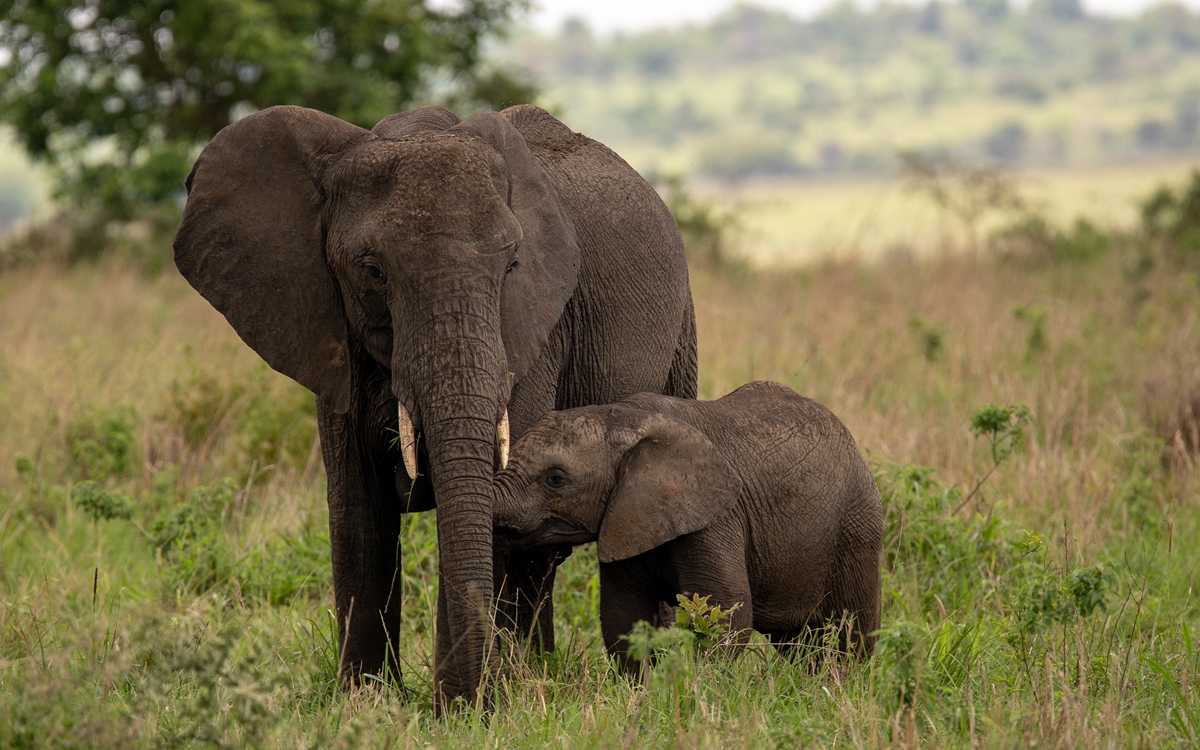
The town is a gateway to Kidepo Valley National Park, one of Uganda’s most remote and wildlife-rich parks.
Visitors can also explore the Morungole Mountains, sacred to the local communities. With its blend of cultural heritage and natural beauty, Kotido offers a unique and authentic experience off the beaten path.
Location of Kotido Town, Uganda
Kotido Town is located in the Northern Region of Uganda, specifically within the Karamoja sub-region, and serves as the administrative and commercial center of Kotido District.
Geographic Coordinates & Elevation of Kotido Town, Uganda
Latitude: 3.0061° N
Longitude: 34.1125° E
Elevation: Approximately 1,260 meters (4,130 feet) above sea level
Proximity of Kotido Town to Major Towns
About 107 km northwest of Moroto, the largest town in Karamoja
Roughly 479 km northeast of Kampala, Uganda’s capital city
Kotido lies in a semi-arid savannah landscape, surrounded by low hills and expansive plains.
The town is part of the Karamoja Plateau, a region known for its unique cultural heritage and pastoralist communities.
Transport & Accessibility to Kotido Town, Uganda
The town is a junction for several key roads:
Kaabong–Kotido Road
Kotido–Moroto Road
Kotido–Pader–Palwo Road
Kotido also hosts Kotido Airport, a civilian airstrip managed by the Civil Aviation Authority of Uganda
Administrative Significance of Kotido, Uganda
Kotido is the district headquarters and houses the Kotido Town Council.
The town is also the seat of the Roman Catholic Diocese of Kotido, adding to its regional importance
Population of Kotido Town, Uganda
As of 2025, the population of Kotido is 53,888 people.
History of Kotido Town, Uganda
Kotido Town’s history is deeply rooted in the cultural and pastoral traditions of the Karamoja sub-region in northeastern Uganda.
Pre-Colonial Era
Kotido is traditionally home to the Jie people, one of the ethnic groups within the broader Karimojong cluster.
The Jie, like their Karimojong and Turkana cousins, are Nilotic pastoralists who migrated from present-day Ethiopia and South Sudan centuries ago.
Their society was organized around cattle herding, clan-based governance, and oral traditions. Cattle were central to their economy, social status, and spiritual life.
Colonial Period (Late 1800s–1962)
During British colonial rule, Karamoja was considered a “closed district”, meaning it was largely isolated from the rest of Uganda.
Kotido served as a colonial administrative outpost, but development was minimal due to the British policy of non-interference in Karamoja’s internal affairs.
The region was often portrayed as “backward” by colonial authorities, which led to underinvestment in infrastructure and education.
Post-Independence Developments (1962–1980s)
After Uganda’s independence in 1962, Kotido became the district headquarters for the newly created Kotido District.
The government attempted to integrate Karamoja into national development plans, but progress was slow.
The 1970s and 1980s were marked by instability, including cattle raids, armed conflict, and famine, especially during the 1980 - 1981 Karamoja famine, which devastated the region.
Modern Era (1990s–Present)
In recent decades, Kotido has seen gradual urbanization, improved road access, and the establishment of institutions like the Roman Catholic Diocese of Kotido.
The town is now a hub for humanitarian and development organizations, working on issues like food security, education, and peacebuilding.
Kotido’s cultural significance was even recognized internationally when, in 2017, a crater on Mars was named “Kotido” by the International Astronomical Union.
Cultural Legacy of Kotido, Uganda
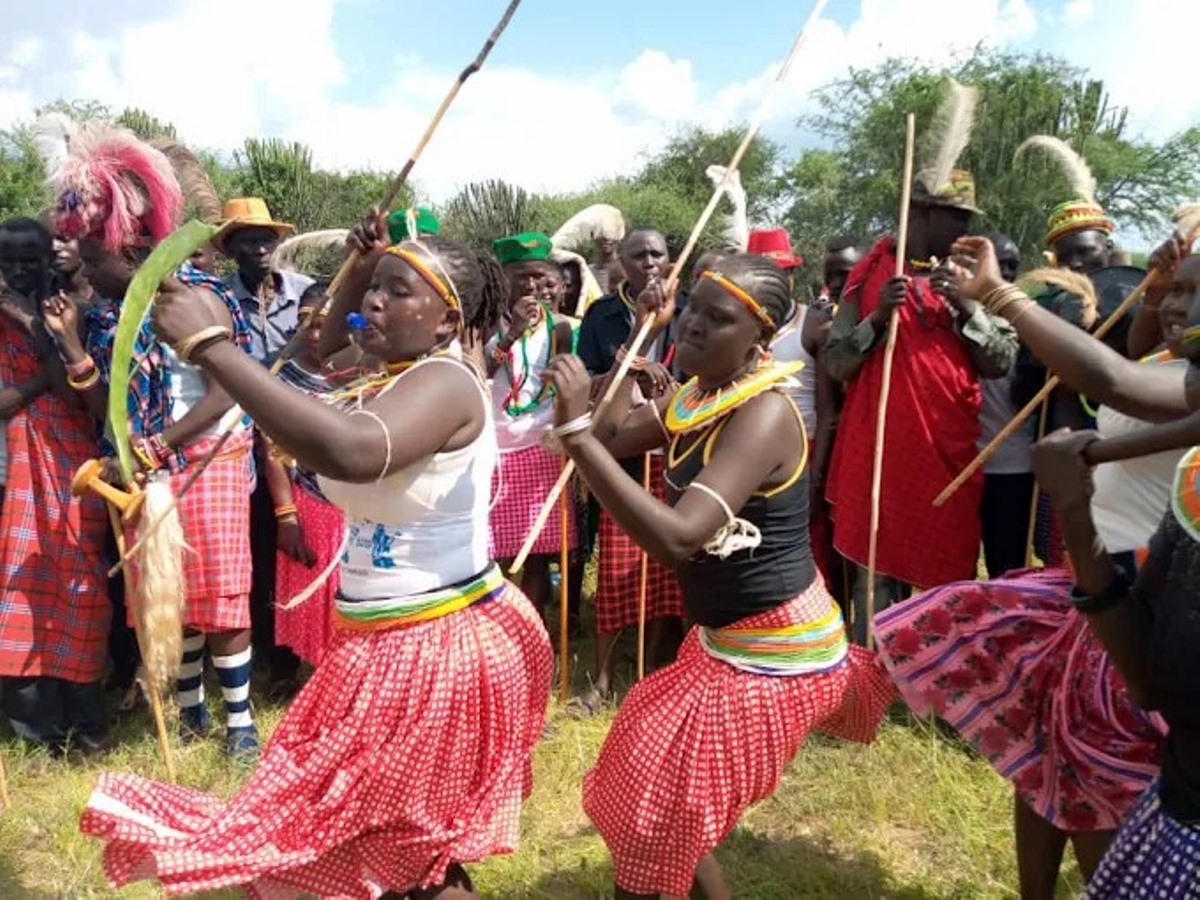
Kotido remains a stronghold of Karimojong identity, with vibrant traditions in music, dance, and dress.
The annual cultural festivals and cattle markets continue to draw visitors and preserve the town’s heritage.
| Visa requirements | ENTRY INTO UGANDA (VISAS & PASSES)
Any person intending to enter into Uganda should do so only for lawful purposes and in accordance with national immigration laws, guidelines and formalities.
Foreign nationals intending to enter Uganda for purposes of employment should comply with requirements for expatriate employment in Uganda.
All visa prone nationalities must obtain Uganda visas to facilitate their entry into the country.
Uganda visas may be obtained at Uganda missions abroad or by applying online at the Uganda E-Immigration System at www.visas.immigration.go.ug
UGANDA VISAS & CORRESPONDING FEES:
WORKING AND LIVING IN UGANDAPERMITS –WORKING IN UGANDA All foreign nationals intending to work in Uganda must ensure that they are in possession of the relevant work permit. The classes of work permits are listed below. For the requirements for the different categories, please log onto the Immigration Uganda website: www.immigration.go.ug or www.visas.immigration.go.ug CLASS A (GOVERNMENT & DIPLOMATIC SERVICE) Applicants should be persons contracted for service in the Government of Uganda or diplomats accredited for service in Uganda. CLASS A2 (GOVERNMENT CONTRACTORS) Applicants should be persons on Government contracts, including persons serving in Government tertiary institutions. CLASS B (INVESTMENT IN AGRICULTURE) Applicants should be persons intending to invest in the business of agriculture or animal husbandry. CLASS C (MINING) Applicants should be persons intending to invest in the business of prospecting for minerals or mining in Uganda CLASS D (BUSINESS AND TRADE) Applicants should be persons intending to carry on the business or trade in Uganda CLASS E (MANUFACTURERS) Applicants should be persons intending to engage in manufacturing business In Uganda CLASS F (PROFESSIONALS) Applicants should be members of prescribed professionals Intending to practice RIO profession In Uganda CLASS G1 (VOLUNTEERS, NGO WORKERS, and MISSIONARIES) CLASS G2 (EMPLOYEES) Applicants should be persons intending to work as employees whether for gain or not in Uganda. Applicants under this category can only enter Uganda after grant and payment for their work permits. WORK PERMIT RENEWAL
| ||||||||||||||||||||||||
|---|---|---|---|---|---|---|---|---|---|---|---|---|---|---|---|---|---|---|---|---|---|---|---|---|---|
| Languages spoken | Ngakarimojong, English, Swahili, and Luganda | ||||||||||||||||||||||||
| Currency used | Ugandan Shilling (Ugx) | ||||||||||||||||||||||||
| Area (km2) | 3,618 square kilometers | ||||||||||||||||||||||||
| Country name | Republic of Uganda |