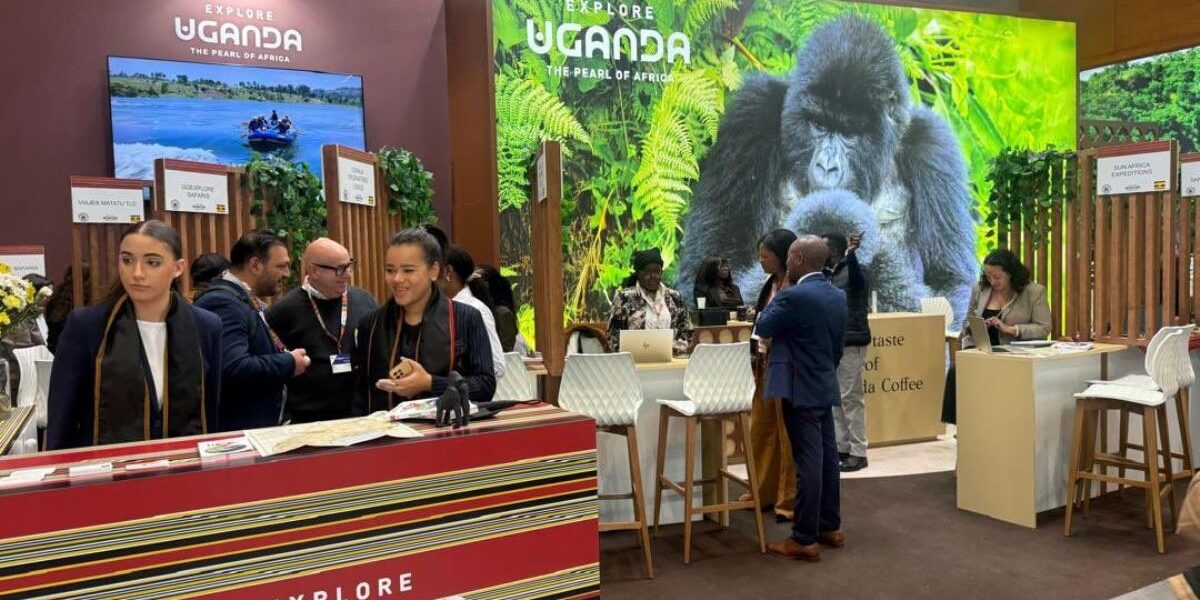
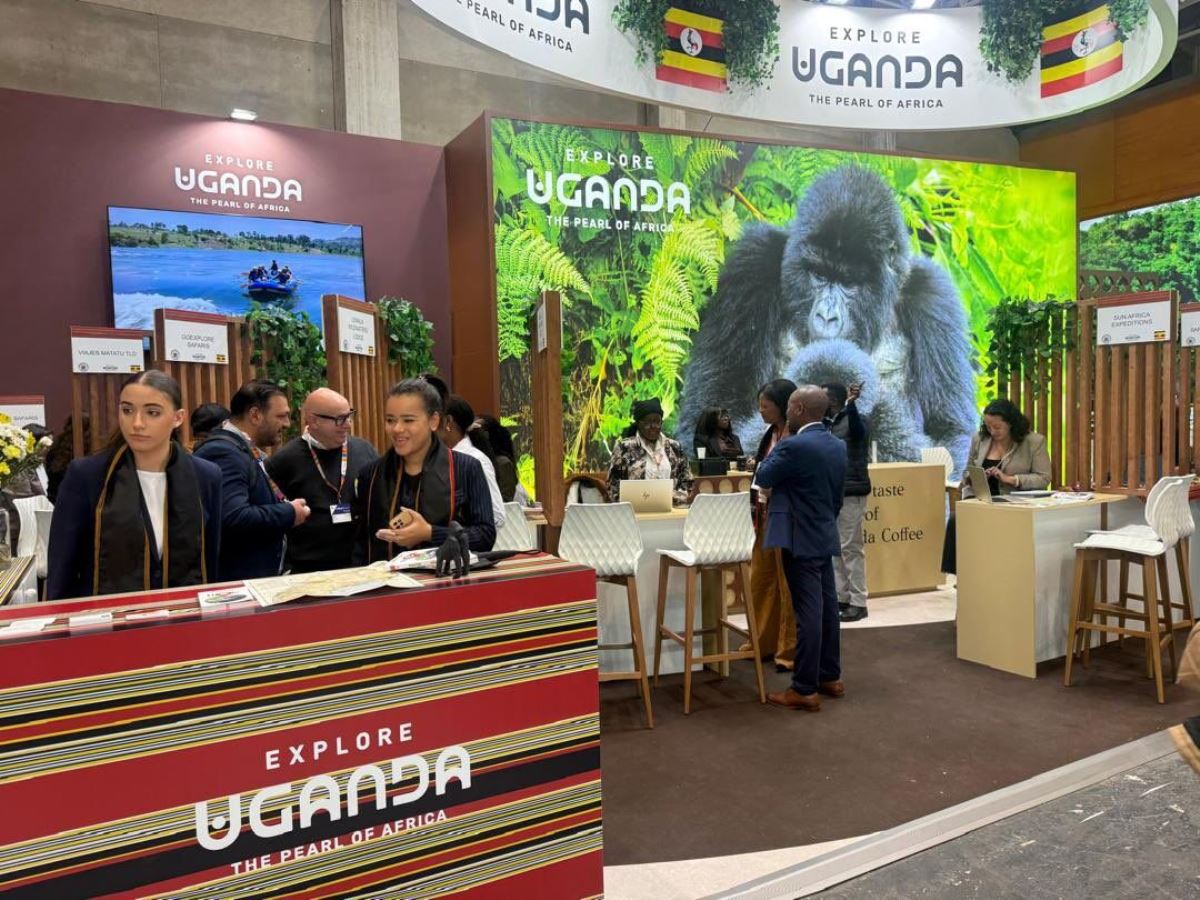
Uganda’s tourism sector continues to gain global momentum, with the Uganda Tourism Board (UTB) actively participating in major international events like FITUR 2026 in Madrid.
This showcase highlights Uganda safari adventures, gorilla safaris, Uganda safari packages, and unique experiences such as coffee tours in the country’s lush regions.
Uganda Shines at FITUR 2026: A Gateway to European Markets
The International Tourism Trade Fair (FITUR) in Madrid, held January 21st-25th, 2026, drew over 255,000 visitors, including about 155,000 professionals from more than 160 countries.
Uganda’s booth, supported by the Ministry of Foreign Affairs, private tour operators, and the Uganda Embassy in Paris, emphasized the “Pearl of Africa” appeal, featuring gorilla trekking in Bwindi Impenetrable Forest, wildlife safaris in Queen Elizabeth and Murchison Falls National Parks, and immersive coffee tours exploring Uganda’s renowned Robusta and Arabica plantations.
This participation aims to forge partnerships, attract investors, and boost arrivals from Spain and Spanish-speaking markets, while promoting sustainable tourism.
FITUR vs. ITB Berlin: Key Comparisons for Tourism Promotion
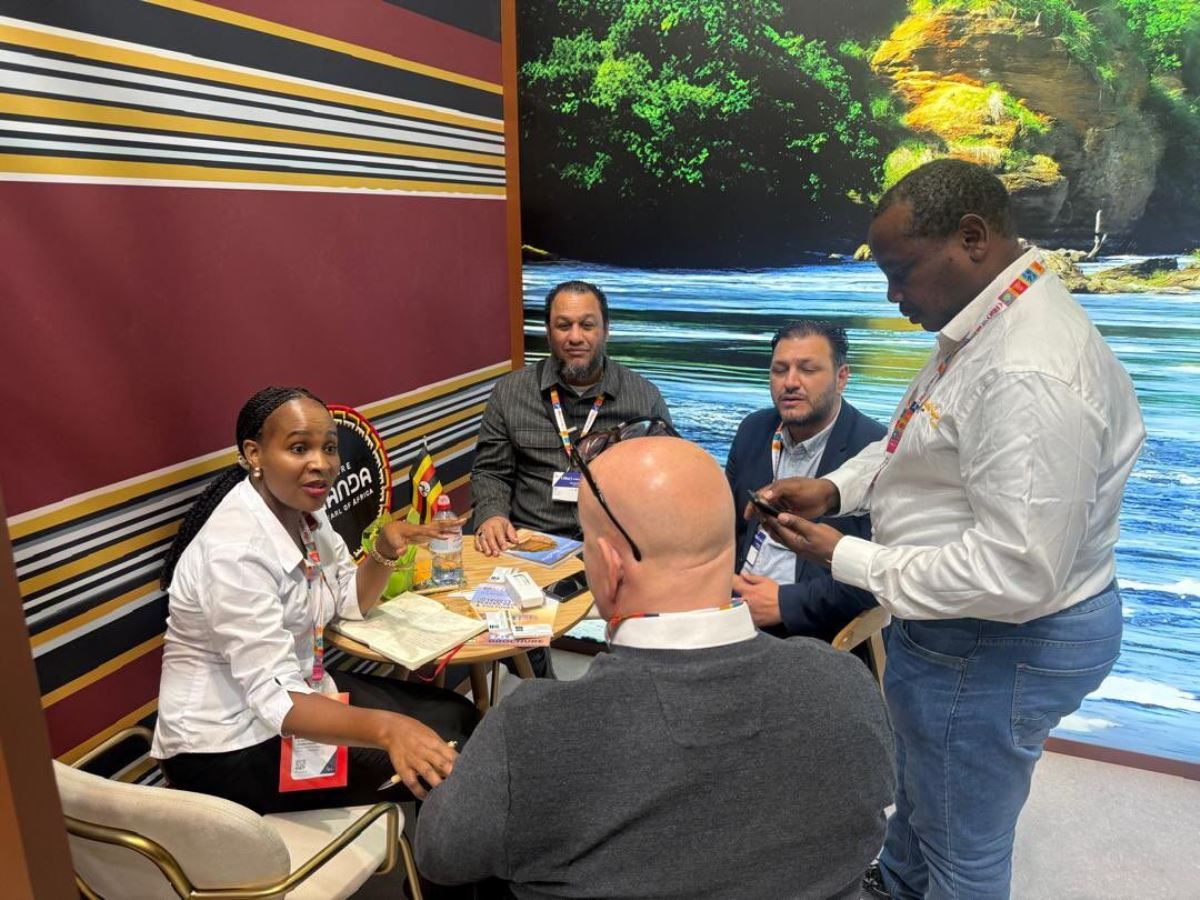
While both are premier Business to Business tourism trade fairs, they differ in scale and focus:
- FITUR (Madrid) emphasizes Southern Europe, Latin America, and emerging markets, with strong attendance from Spanish-speaking regions. In 2026, it welcomed over 255,000 total visitors (including public days) and around 10,000 companies/exhibitors.
- ITB Berlin (Internationale Tourismus-Börse) Berlin positions itself as the world’s largest travel trade show, attracting around 100,000 professional visitors (mostly B2B) from 170+ countries in recent editions, with a heavier focus on global tech integration, luxury, and Northern European buyers.
FITUR (Feria Internacional de Turismo) offers Uganda a strategic entry into Mediterranean and Latin American audiences, while ITB provides broader worldwide exposure. Many African destinations participate in both to diversify outreach.
Uganda’s Tourism Promotion vs. Rwanda: A Strategic Contrast
Uganda and Rwanda both leverage mountain gorilla trekking as a flagship attraction, but their approaches differ:
Rwanda adopts a premium, high-end model with aggressive international marketing including partnerships like Arsenal FC branding and higher pricing for example for gorilla permits to attract fewer, higher-spending visitors focused on luxury and conservation.
Uganda emphasizes affordability and diversity, with gorilla permits around $800, broader safari options (Big Five wildlife, chimpanzee tracking, birding), and coffee tours as added value.
This draws a wider range of budgets and volumes, positioning Uganda as more accessible for Uganda safari packages.
Both prioritize sustainability, but Uganda’s strategy appeals to adventure seekers and mid-range travelers, while Rwanda targets upscale segments.

Tanzania Safari Tourism Strategies vs. Kenya Safari Comparison (2026 Insights)
In 2026, East Africa’s premier safari destinations, Tanzania and Kenya, continue to compete strongly, each with distinct strategies amid post-pandemic recovery and a push toward sustainability.
Tanzania’s Safari Tourism Strategies (2026):
Tanzania focuses on vast, low-density wilderness experiences, conservation-led tourism, and premium positioning. Key elements include:
- Leveraging the Serengeti ecosystem for year-round Great Migration viewing (calving season Jan–March in southern Serengeti/Ndutu).
- Promoting eco-conscious travel with electric vehicles in select areas, community benefits, and reduced crowding in parks like Ruaha and Selous.
- Targeting luxury and immersive safaris, with upgraded facilities, new luxury camps, and events like the Serengeti Awards (Jan 2026).
- Broader diversification: Combining safaris with Zanzibar beaches, Kilimanjaro climbs, and cultural experiences.
- Goal: Surpass 5 million annual visitors (on track from 2025 records) toward 8 million by 2030, emphasizing sustainable revenue and wildlife protection.
Kenya vs. Tanzania Safari Comparison (2026):
Both offer world-class Big Five wildlife and Great Migration access, but differ in style, accessibility, and cost:
- Wildlife & Migration: Tanzania edges out with the full Serengeti expanse (larger herds, fewer vehicles, year-round migration cycle). Kenya’s Masai Mara provides excellent predator sightings (big cats) and dramatic river crossings (July–Oct), but with more crowds.
- Accessibility & Style: Kenya wins for first-timers/families with easier access (Nairobi hub, shorter drives, more fly-in camps), diverse activities (walking safaris, night drives), and flexible options. Tanzania suits purists/photographers with vast landscapes, traditional game drives, and exclusive experiences.
- Cost (2026 Estimates): Kenya is often more budget/mid-range friendly (lower park fees $60-80/day, varied lodging). Tanzania leans to the premium (higher fees $70–100+/day for Serengeti/Ngorongoro, luxury focus).
- Best For: Kenya is best for shorter trips, active travelers, value and Tanzania is best for longer immersions, honeymooners, uncrowded wilderness.
Many visitors combine both for a comprehensive East Africa experience.
Italian Tourists to Uganda: Current Insights
Data on Italian arrivals remains limited in recent aggregated reports, but historical figures from Uganda Bureau of Statistics (pre-2020) show around 2,962 Italian visitors in 2019 and about 890 in 2020 (impacted by COVID).
Italy ranks among notable European sources, though behind leaders like the United Kingdom, Germany, and the US. Post-pandemic recovery has boosted overall arrivals to approximately 1.37 million in 2024 (from sources like Uganda Bureau of Statistics and Trading Economics), with Europe contributing steadily.
Targeted promotion at events like FITUR could increase Italian interest in gorilla safaris and cultural experiences.

Gorilla Trekking in Uganda – The Ultimate Wildlife Encounter
Gorilla trekking in Uganda remains one of the world’s most sought-after experiences, offering intimate encounters with endangered mountain gorillas in their natural habitat.
Uganda is home to about half of the world’s remaining mountain gorillas, primarily in two protected areas:
- Bwindi Impenetrable National Park: The main gorilla trekking destination in Uganda with multiple habituated gorilla families across four sectors (Buhoma, Rushaga, Nkuringo, Ruhija).
The dense forest provides excellent gorilla viewing but involves challenging hikes through steep, muddy terrain.
- Mgahinga Gorilla National Park: Smaller and closer to the Rwanda border, with one habituated group; Uganda Mgahinga Gorilla National Park is ideal for combined Uganda-Rwanda itineraries, though availability is more limited.
The gorilla experience in Uganda includes:
- A mandatory gorilla permit issued by the Uganda Wildlife Authority (UWA), allowing one hour of observation with a habituated family (strictly enforced to minimize disturbance).
- Early morning briefing at park headquarters, followed by a guided trek (typically 2–8 hours depending on gorilla location).
- Up to 8 trekkers per group, accompanied by experienced guides and armed rangers for safety.
- Optional gorilla habituation experience (4 hours with semi-habituated gorillas) for a deeper immersion.
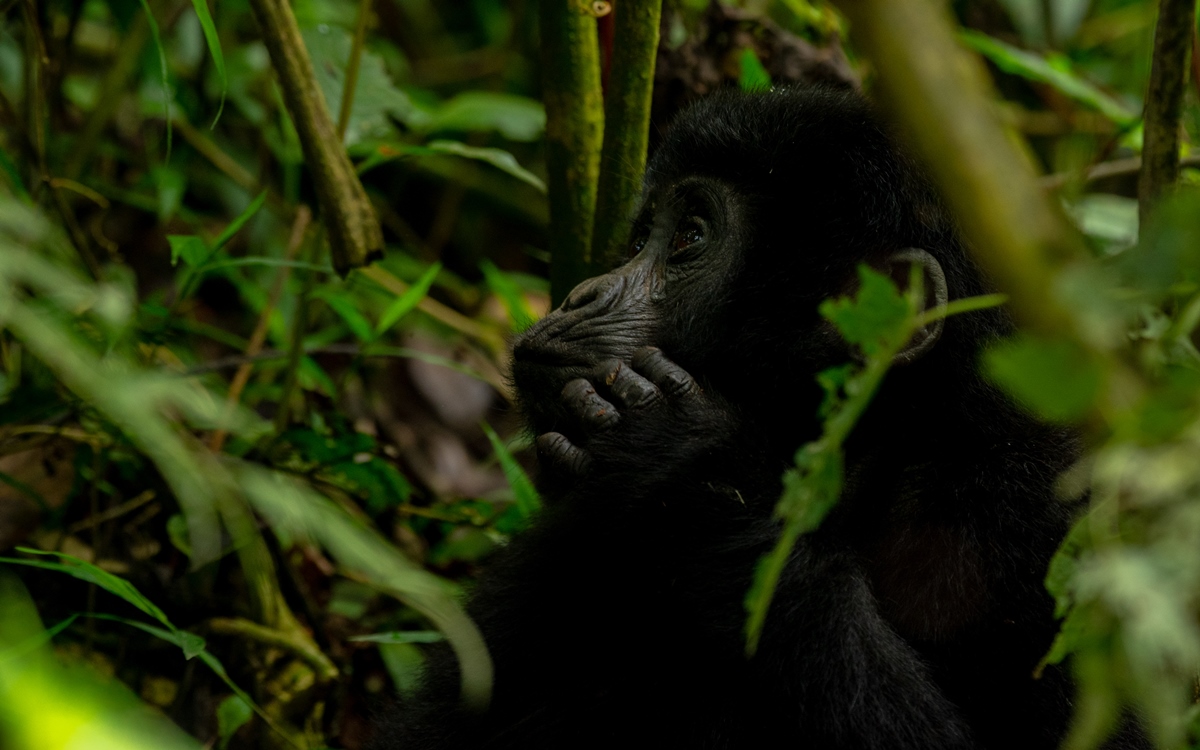
Key Gorilla Trekking Rules and Requirements (2026):
- Minimum age: 15 years (exceptions rare for near-15s in Bwindi if physically fit and mature).
- No maximum age limit, but participants must be in good health and able to handle strenuous hiking.
- Maintain 7-meter distance from gorillas, speak quietly, no flash photography, avoid touching or direct eye contact.
- Book permits 3 to 6 months in advance (especially peak seasons: June-September and December-February), as they sell out quickly.
Gorilla Permit Cost in Uganda (2026):
- $800 USD per person for foreign non-residents (includes guide, park fees, and community contribution);
- $700 for foreign residents;
- $500 for other Africans and UGX 300,000 for East African citizens.
- Gorilla Habituation experience: $1,500 for non-residents.
Gorilla trekking activity supports conservation and local communities in Uganda while delivering unforgettable, ethical wildlife moments.
Chimpanzee Tracking in Uganda – Primate Adventures
Chimpanzee tracking (also called chimpanzee trekking) offers thrilling, close-up encounters with our closest relatives in Uganda’s lush forests. Uganda hosts one of the highest chimpanzee populations in Africa, with habituated groups in several protected areas.
Key Chimpanzee tracking locations in Uganda include:
- Kibale Forest National Park: The premier Chimpanzee tracking site Uganda with the highest success rate and largest habituated Chimpanzee groups; dense rainforest habitat.
- Kyambura Gorge (Queen Elizabeth National Park): Dramatic gorge setting, often called the “Valley of Apes.”
- Budongo Forest (Murchison Falls area), Kalinzu Forest, and others: More affordable chimpanzee tracking fees, less crowded options.
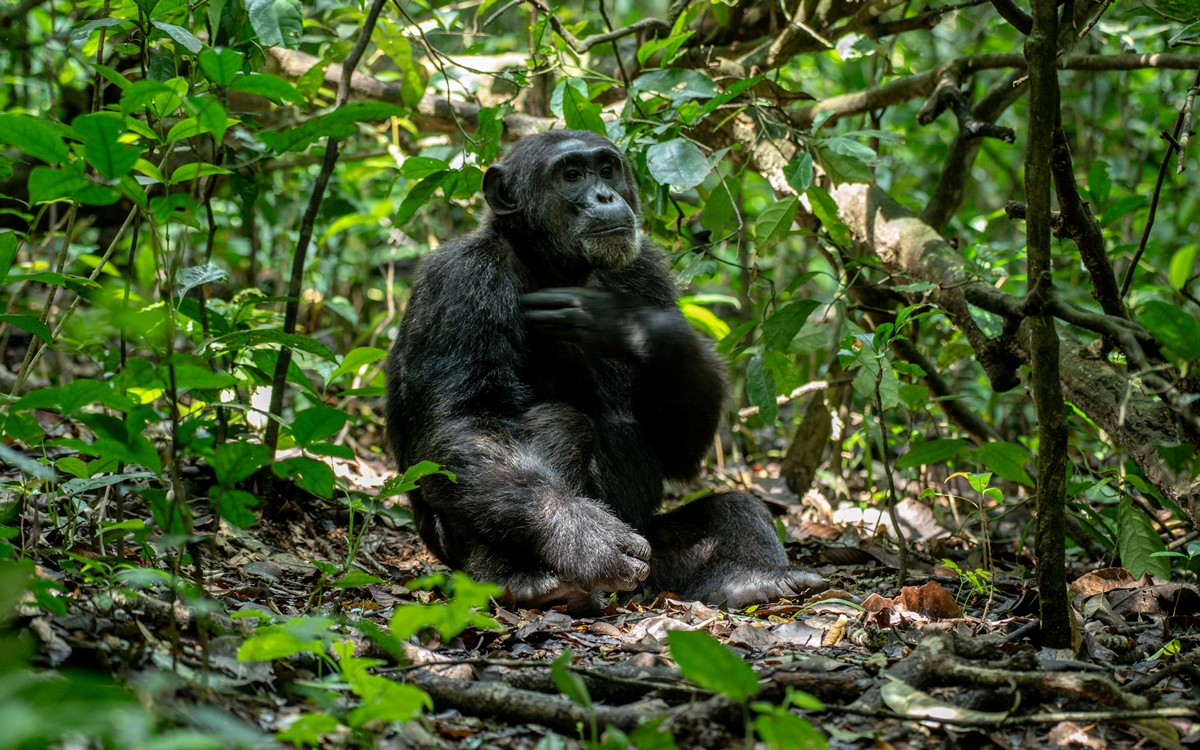
The experience typically involves:
- Early morning briefing, then a guided forest trek (1-5+ hours) to locate a habituated chimp community.
- Up to 1 hour of observation time (strict rules: 7-10 meter distance, no eating/drinking near chimps, quiet voices, no flash).
- Accompanied by expert trackers/guides; armed rangers for safety.
- Optional chimpanzee habituation experience – Full-day (4+ hours) with semi-habituated groups for deeper interaction.
Key Rules and Requirements (2026):
- Minimum age: Usually 12-15 years (varies by site; good fitness required for treks).
- Maintain distance, no touching, avoid sudden movements; masks sometimes required for health.
- Book permits in advance (especially Kibale, which can sell out).
Permit Costs (2026, Foreign Non-Residents):
- Kibale Forest: $250 per person (trekking); $300 for habituation.
- Kyambura Gorge: $100.
- Kalinzu/Budongo/Bugoma: $65–$120 (varies by site).
- Discounts for residents/East Africans; includes guide but excludes park entry fees.
This ethical activity funds conservation and provides unforgettable primate insights alongside Uganda safari packages.
Agritourism Experiences – Coffee, Vanilla, Tea, Sugarcane, Cocoa, and Pineapple Tours in Uganda
Uganda’s fertile soils and tropical climate make it a rising star in agritourism (agro-tourism), where visitors explore farm life, learn sustainable practices, interact with local farmers, and enjoy hands-on activities. These Uganda tours often combine with wildlife safaris for diverse itineraries.
Detailed Coffee Tours in Uganda
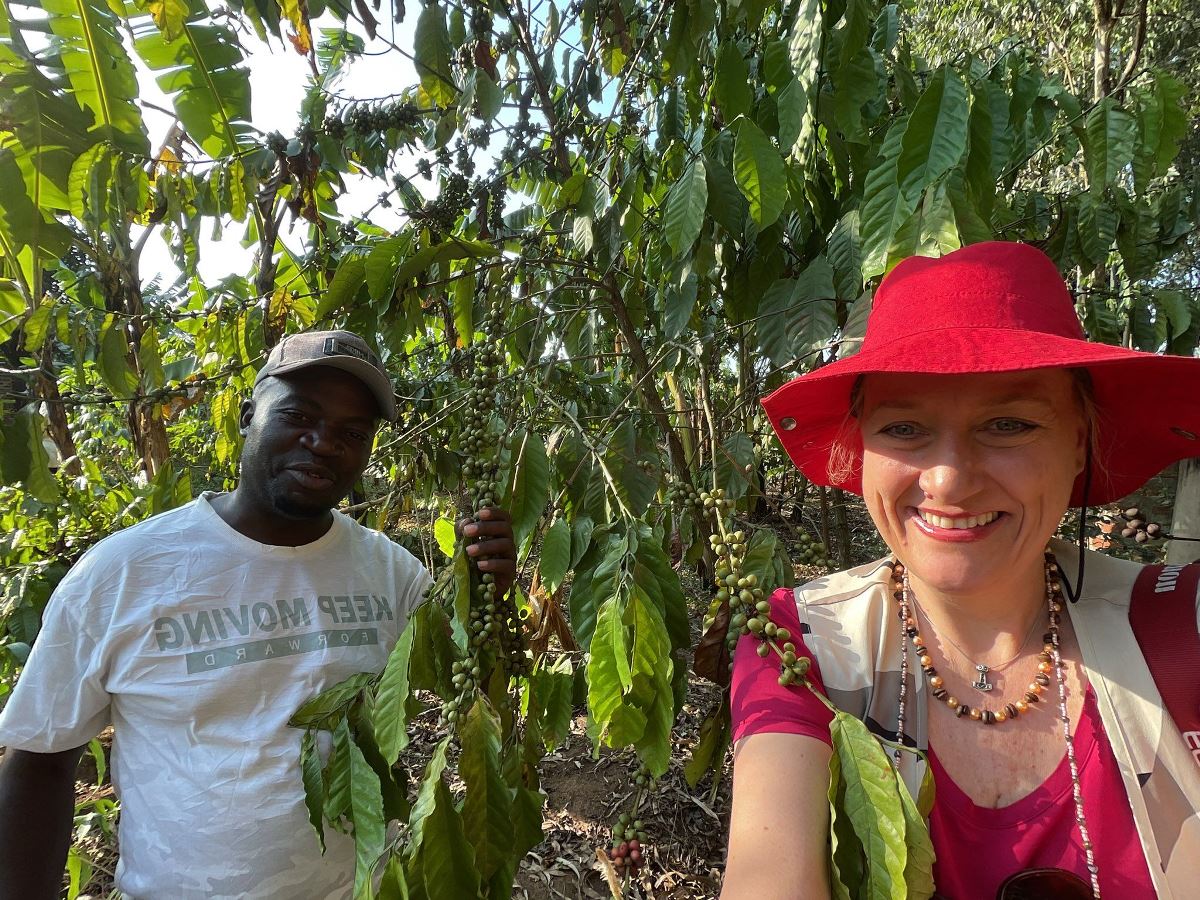
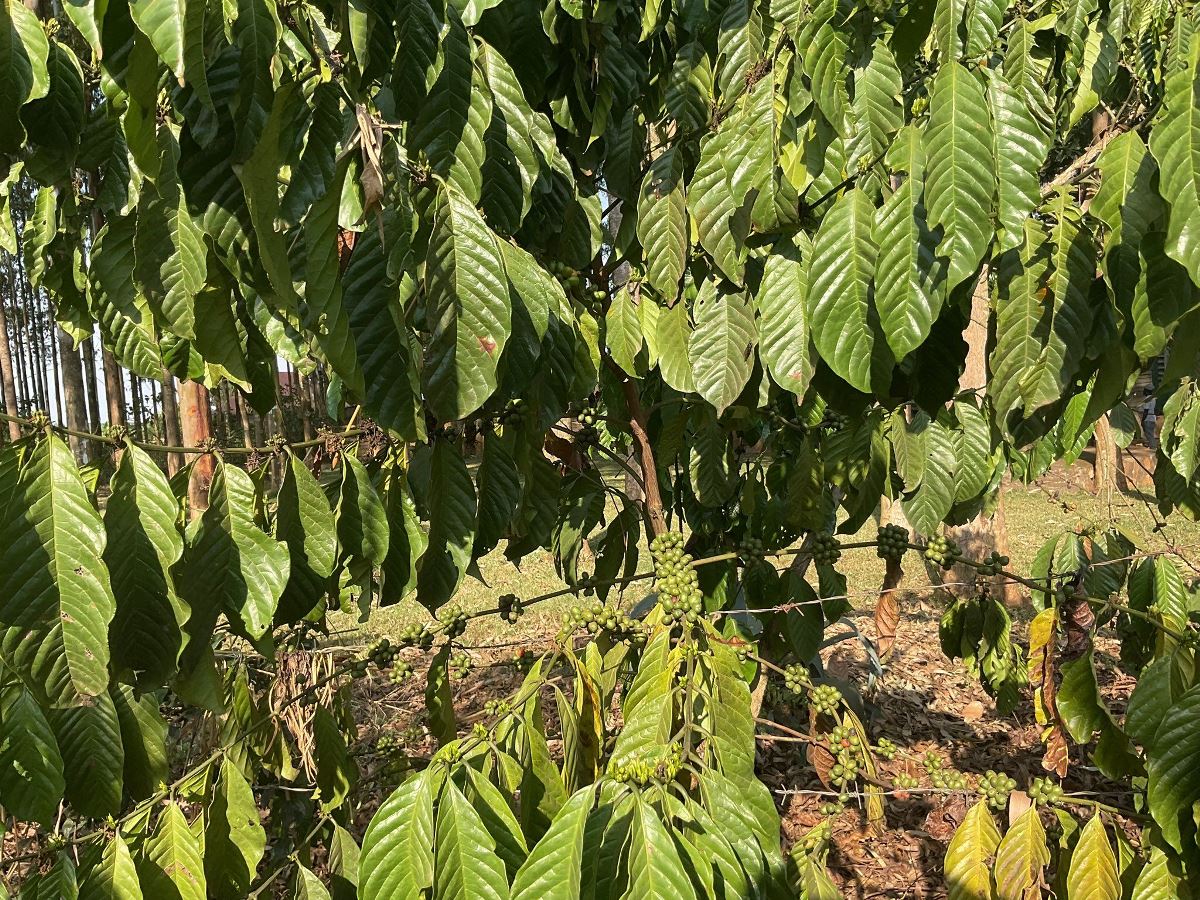
Uganda ranks among Africa’s top coffee producers, famous for robust Robusta (lowlands) and premium Arabica (highlands like Mount Elgon and Rwenzori).
Uganda Coffee Tours typically include walking through shaded plantations, learning cultivation/weeding/harvesting, processing (wet/dry methods), roasting, and cupping sessions.
Popular Uganda coffee spots: Mount Elgon region, Sipi Falls for example Thomas Coffee Plantation with hikes, Bwindi area farms, Kibale, Jinja, Mukono/Kayunga, and urban coffee tastings in Kampala.
Uganda Coffee Experiences range from 1-day farm visits to multi-day immersions with traditional ceremonies and organic farming demos. Many coffee tours in Uganda emphasize community benefits and sustainability.
Vanilla Tours in Uganda
Vanilla, a high-value spice, thrives in western Uganda (Fort Portal/Kibale area). Tours visit farms like Ndali Vanilla Farm near Fort Portal or community associations for example Green Leaf Vanilla Farmers, covering planting, hand-pollination (labor-intensive), vine climbing/weeding, curing pods (fermentation/drying for aroma), and tasting.
Vanilla tours in Fort Portal often combined with tea/coffee/crater lakes visits in 2-3 day agro-tours. Hands-on elements include harvesting and learning why Ugandan vanilla is prized for quality.
Tea and Sugarcane Farm Tours in Uganda
Tea tours focus on lush western highlands (Fort Portal, Kabarole) with rolling plantations.
Tea Tour Activities in Uganda include: Guided walks through trimmed bushes, plucking demos, tea factory visits such as Mpanga Tea Factory or Mabale Tea Factory Experiences(withering, rolling, drying, sorting), tastings of black/green teas, and cultural insights into rural life of Uganda.
Sugarcane tours highlight large estates like Kakira Sugar Works (near Jinja, one of East Africa’s biggest) or smaller farms.
Sugarcane Estate Experiences Include: Touring vast fields, seeing harvesting/processing (crushing, juice extraction, sugar refining), learning industrial-scale farming, and sometimes community impacts.
Often day trips from Jinja and Kampala tours combine sugarcane tour in Kakira and Tea tour in Kasaku near Ssezibwa Falls.
Cocoa and Pineapple Tours in Uganda
Uganda Cocoa tours showcase emerging chocolate production for example in central/western regions of the East African country.
Cocoa farm visits include harvesting pods, fermenting/drying beans, bean-to-bar workshops for example Moonbean Chocolate in Kampala, tastings of raw pods/finished chocolate, and farm walks.
Some farm tours from Kampala combine with coffee/vanilla tours.
Pineapple tours center on Masaka/Luwero districts. Experiences: Walking organic farms, harvesting fresh pineapples, jam-making sessions, drying processes for snacks, tastings, and community interactions. Often 1–3 day eco-tours with fresh fruit picking and local meals.
These agritourism activities support local economies, promote ethical farming, and add cultural depth to wildlife adventures in Uganda.
Tips for Young Tour Operators in Uganda to Participate in Travel Trade Fairs
Participating in international fairs like FITUR, ITB Berlin, World Travel Market (WTM), or regional events including Pearl of Africa Tourism Expo – POATE among others can transform a startup operator’s network and bookings. Here’s practical advice:
- Start Small and Strategic – Join under the Uganda Tourism Board pavilion for shared costs and visibility, or collaborate with associations like the Association of Uganda Tour Operators (AUTO) for group booths.
- Prepare Thoroughly – Research attendees in advance (buyers, agents), schedule meetings via event apps, and bring professional materials including brochures on Uganda safari packages, gorilla permits, coffee tours, high-quality visuals, and business cards.
- Focus on Networking – Engage in Business to Business sessions, workshops, and social events. Highlight unique selling points like affordability, diverse wildlife, and community-based tourism.
- Budget Smartly – Factor in booth fees, travel, accommodation – seek sponsorships or hosted buyer programs. Virtual options offer low-cost entry.
- Follow Up Effectively – Send personalized emails post-event with tailored proposals. Track leads and nurture partnerships for long-term bookings.
- Build Credentials – Ensure licensing, positive reviews, and sustainable practices to appeal to international buyers.
By leveraging these platforms, young operators can connect with global agents, secure partnerships, and grow their share of the rising demand for authentic Uganda safari experiences.
With continued promotion, Uganda’s tourism is poised for sustained growth in 2026 and beyond.
Ready to experience the magic of Uganda gorilla safaris, chimpanzee tracking, diverse Uganda safari packages, authentic coffee tours, vanilla adventures, tea/sugarcane insights, cocoa tastings, or pineapple farm experiences in 2026?
Contact us at Responsible Tourism Company Ltd, a leading eco-tour operator specializing in sustainable, community-focused travel across Uganda and East Africa.
Book your responsible adventure today at www.responsibletourismcompany.com or reach out via our trusted channels for personalized, ethical itineraries that support conservation and local communities. Plan your trip now, spots fill fast!
Book Cars + Hotels in Uganda
Get Uganda Car Rental & Uganda Hotel Deals in Uganda When You Book Them Together! Find deals from $50 per by comparing on Responsible Tourism Company. Visit our website. Responsible Tourism Company Rental Cars https://responsibletourismcompany.com/transportation-services/
Book tours with Responsible Tourism Company for an unforgettable experience from wildlife safari tours, adventure tours among others on our Uganda Tour Packages.