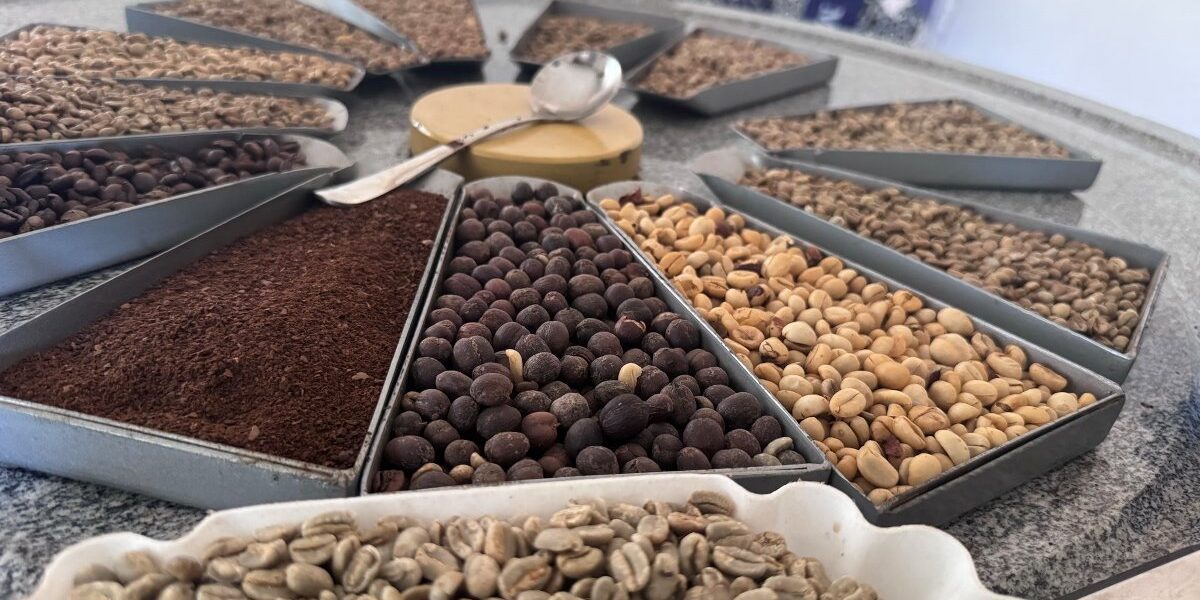
Uganda is more than one coffee origin. Across varied landscapes, altitudes, climates and farming systems, the country grows two distinct coffee species, Arabica and Robusta, producing a wide range of flavour profiles and market opportunities.
This diversity is not only an agricultural strength; it is a powerful asset for hospitality, travel and responsible tourism.
Arabica Coffee in Uganda: Bright, Complex and Distinctive
Ugandan Arabica coffee thrives on the country’s mountain fringes, typically above 1,300-1,500 metres where cool temperatures (roughly 15-24°C) slow cherry maturation and develop complexity.
The main growing areas include the slopes of Mount Elgon, the Rwenzori Mountains, the Kigezi highlands and parts of the West Nile region.
These high-elevation farms yield specialty single-origin micro-lots, premium filter and pour-over coffees.
In the cup, expect medium-to-full body, lively acidity, floral aromas and buttery sweetness that varies by lot and micro-climate.
For travellers, these regions offer some of Uganda’s most rewarding coffee tourism experiences, hands-on farm walks, traditional processing and roasting demonstrations set against dramatic highland scenery.

Robusta Coffee, Uganda: Strength, Body and Heritage
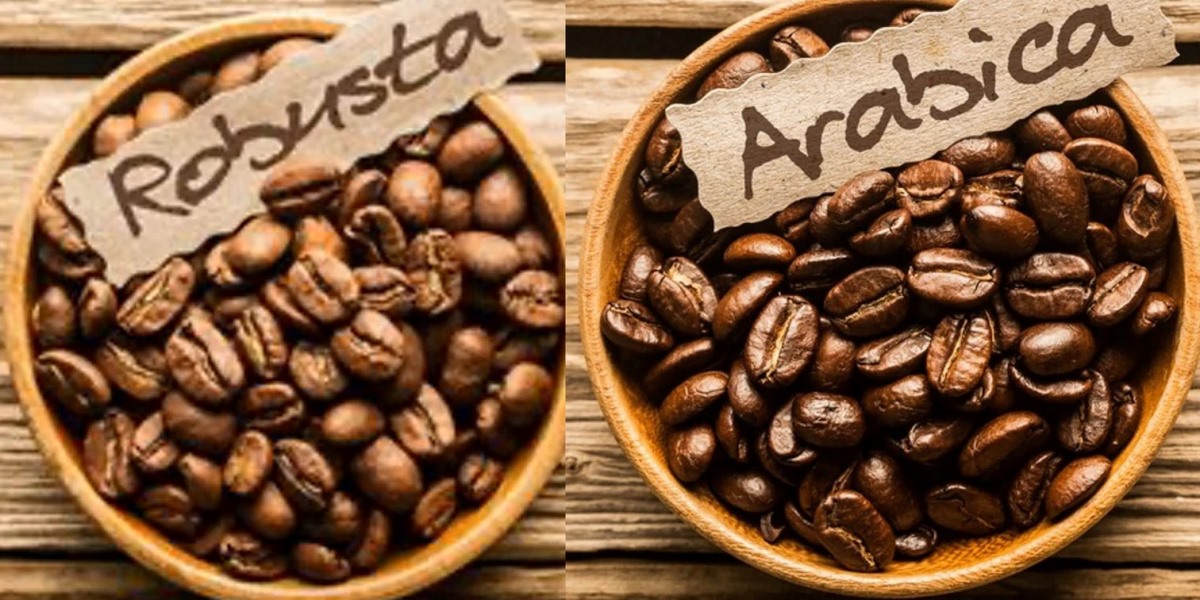
Robusta Coffee, native to Uganda, grows at lower elevations of roughly 900-1,500 metres, primarily in the Lake Victoria basin and central and eastern parts of the country.
This type of coffee is widely used in espresso blends, instant and soluble coffee. Typical characteristics of Robusta Coffee include full body, low acidity and nutty or chocolate notes.
While often associated with commercial volumes, quality Ugandan Robusta coffee is increasingly valued for its depth and consistency.
Coffee tourism opportunities here in Uganda tend to focus on larger-scale production, processing insights and the crop’s deep cultural and economic roots.
Different Places, Distinct Possibilities
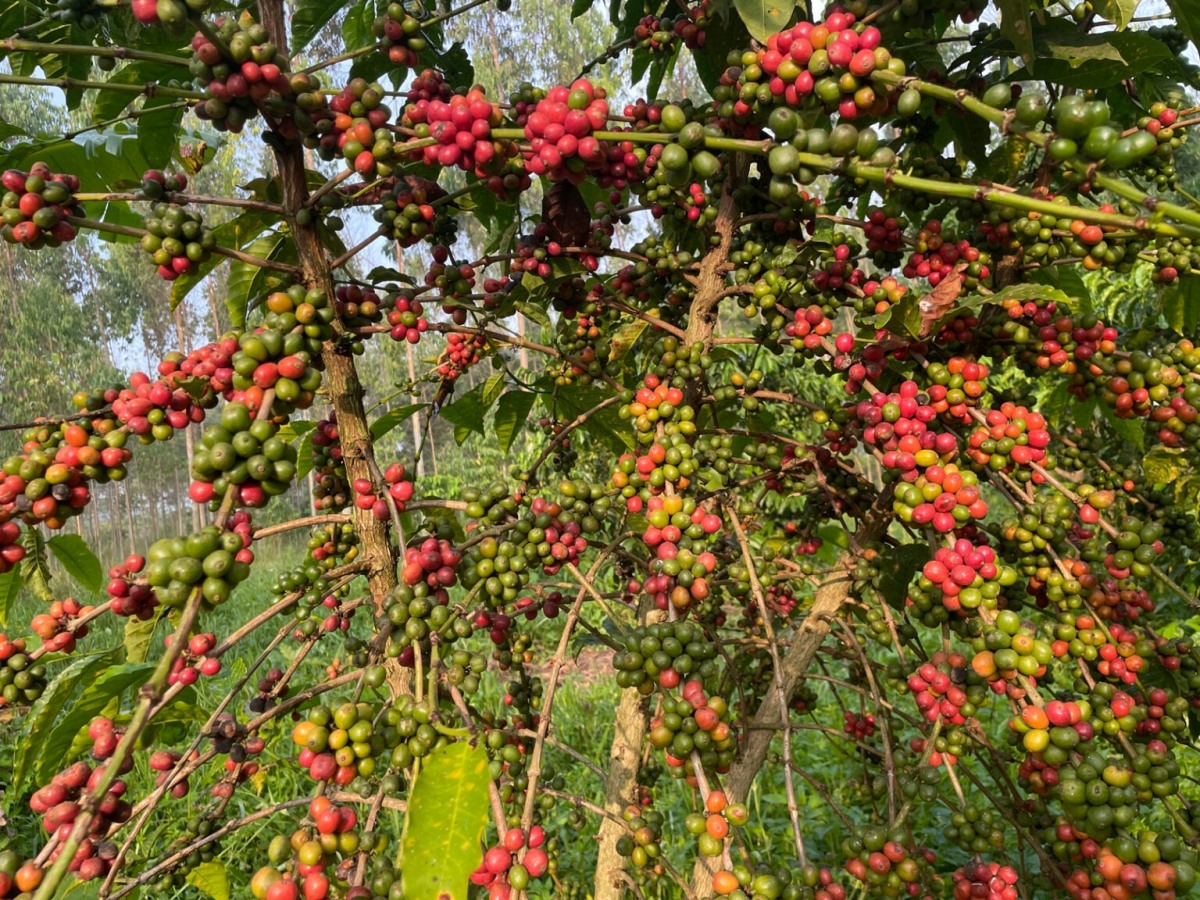
A clear regional pattern emerges on Uganda’s coffee map. Arabica concentrates in the cooler South-West, around Fort Portal City, Kabale town and the Kigezi highlands, the East; Mbale City and Mount Elgon region, and pockets of the North-West.
Robusta coffee dominates the Central region around Kampala City and the broader Lake Victoria basin, with additional production in the North.
Each area is shaped by its unique combination of altitude, soil, climate and local farming systems.
The result is a spectrum of profiles within both species rather than a single “Ugandan coffee” taste.
This variety creates authentic storytelling opportunities for hotels, lodges and tour operators, and gives visitors a richer understanding of the country’s agricultural landscape.
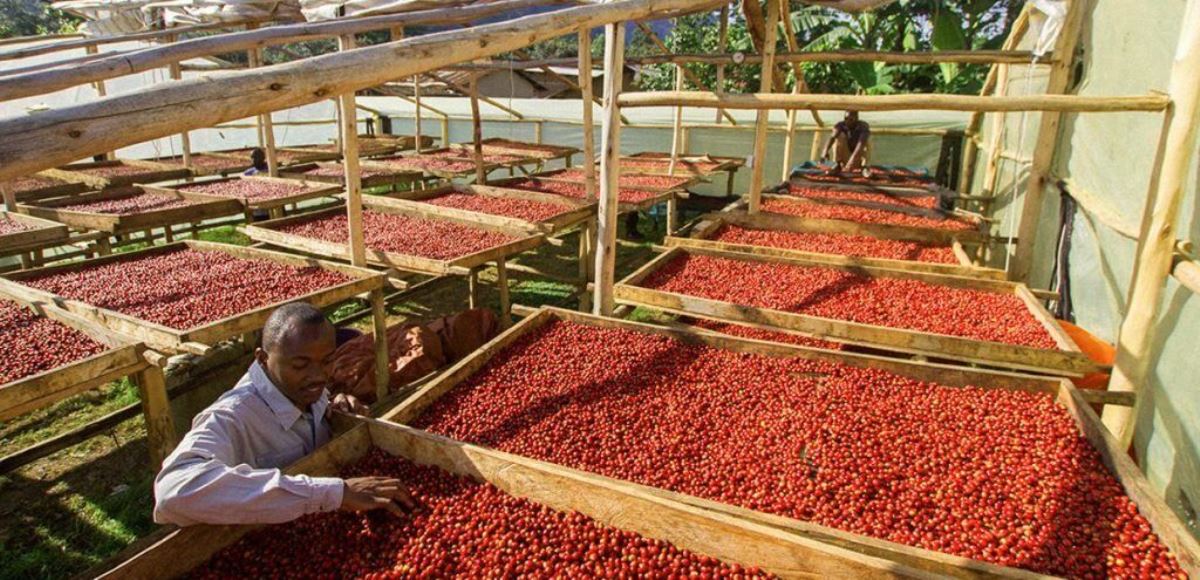
Why This Diversity Matters for Tourism and Hospitality
For travellers, the dual coffee heritage means more than one type of farm visit or tasting experience.
A Sipi Falls Arabica tour on Mount Elgon feels very different from a Robusta-focused visit in the central basin or a highland walk in the Rwenzoris.
Combining these with gorilla trekking, chimpanzee tracking, waterfall hikes or cultural encounters adds depth and extends stays.
For hotels, airports and lodges, sourcing and showcasing both Arabica and Robusta coffee, ideally with clear origin information, elevates the guest experience and supports local producers.
This move also opens doors to partnerships with cooperatives, specialty micro-lots and community-based tourism initiatives.
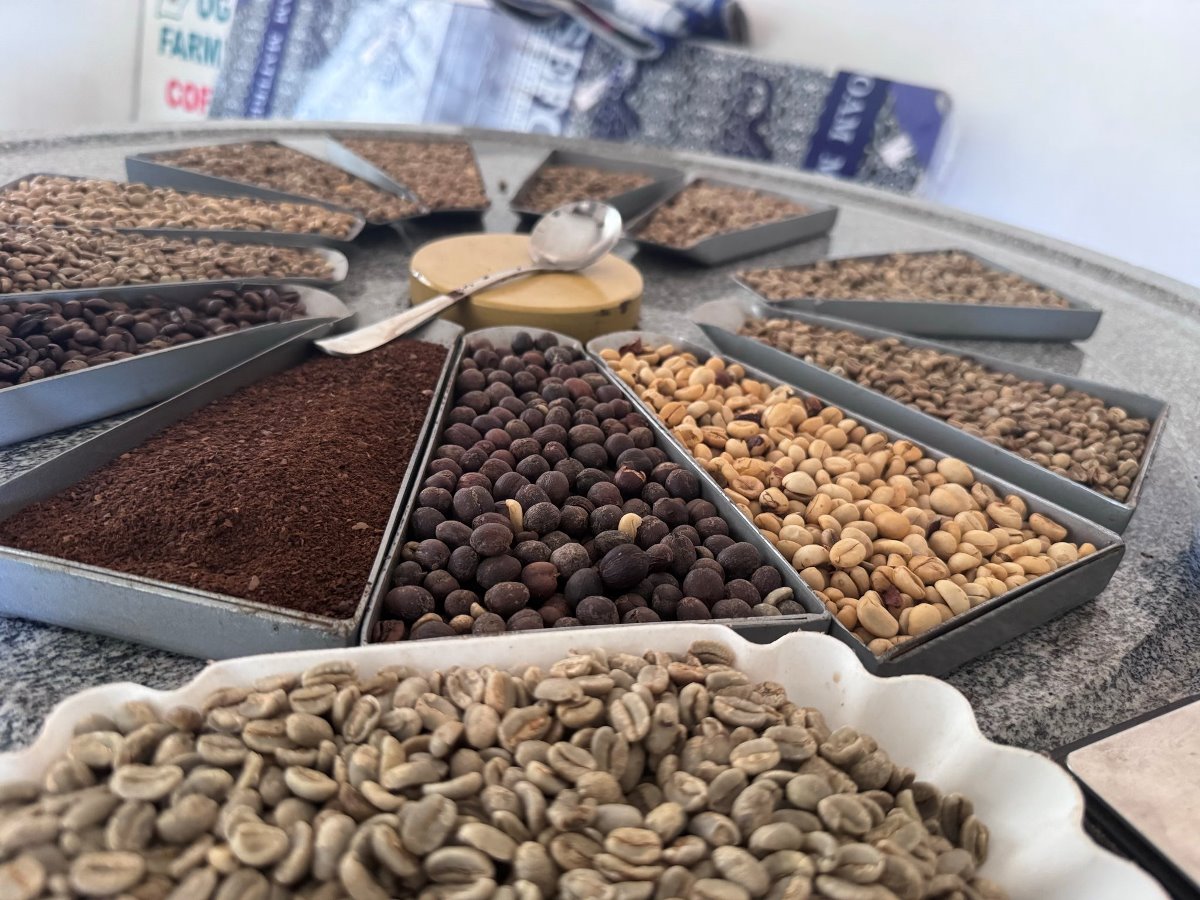
Uganda’s coffee diversity offers buyers and visitors choice, differentiation, value across quality segments, and genuine opportunities for long-term relationships with producers.
When experienced through responsible tourism, it channels benefits directly to farming communities while giving travellers memorable, educational encounters.
Coffee Tourism Destinations in Uganda
Uganda’s standout coffee tourism destinations center on the country’s highland Arabica regions.
Mount Elgon’s Sipi Falls area offers intimate, farmer-led farm-to-cup experiences amid cascading waterfalls, where visitors pick cherries, process beans traditionally, and roast over open fires.
The Rwenzori foothills near Fort Portal City and the terraced southwestern highlands around Kabale and Lake Bunyonyi provide similar hands-on tours that pair easily with chimpanzee tracking or gorilla trekking.
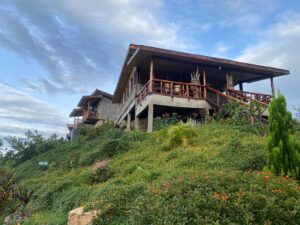
Established estates like Clarke Farm in Kyenjojo and the larger emerging Africa Coffee Park in Ntungamo add structured visits with cupping sessions and value-addition insights, giving travelers authentic ways to explore Uganda’s dual Robusta and specialty Arabica heritage.
Frequently Asked Questions (FAQs)
What is the difference between Ugandan Arabica and Robusta Coffee?
Arabica coffee grows at higher elevations mainly above 1,300-1,500 m on Mount Elgon, the Rwenzoris and Kigezi highlands. It is typically brighter with lively acidity, floral notes and medium-to-full body. Robusta coffee grows at lower altitudes (900-1,500 m), mainly around Lake Victoria and central/eastern Uganda, offering fuller body, lower acidity and nutty or chocolate characteristics.
Where can travellers experience coffee tourism in Uganda?
Top spots include Sipi Falls and Mount Elgon (Arabica Coffee), the Rwenzori foothills near Fort Portal, the Kigezi highlands around Kabale and Lake Bunyonyi, and selected farms in central and western regions. Many experiences combine easily with wildlife or cultural itineraries.
Why does Uganda grow both Arabica and Robusta Coffee?
The country’s varied altitudes, climates and soils create ideal conditions for both species. This natural diversity produces a wide range of flavour profiles and supports different market segments, from specialty single-origin to espresso and soluble coffee.
How does coffee tourism support responsible travel?
Community-led farm visits, direct purchases of beans, and partnerships with local cooperatives help keep more value in farming areas, preserve traditional knowledge and provide alternative income beyond commodity sales.
Can coffee experiences be added to a standard Uganda safari?
Yes. Arabica Coffee tours around Sipi Falls, Fort Portal City or Kabale town fit naturally with eastern or western circuits, while Robusta insights can complement central Uganda stops. Responsible Tourism Company specialises in weaving these authentic experiences into tailor-made itineraries.
Ready to taste Uganda’s dual coffee heritage for yourself?
Let Responsible Tourism Company design a personalised journey that combines farm-to-cup experiences with gorilla trekking, wildlife safaris and cultural encounters.
Contact us today;
Call/WhatsApp: +256 704 023 485
Visit www.responsibletourismcompany.com
Email: info@responsibletourismcompany.com
Travel with purpose, discover the many coffee stories of Uganda the responsible way.