
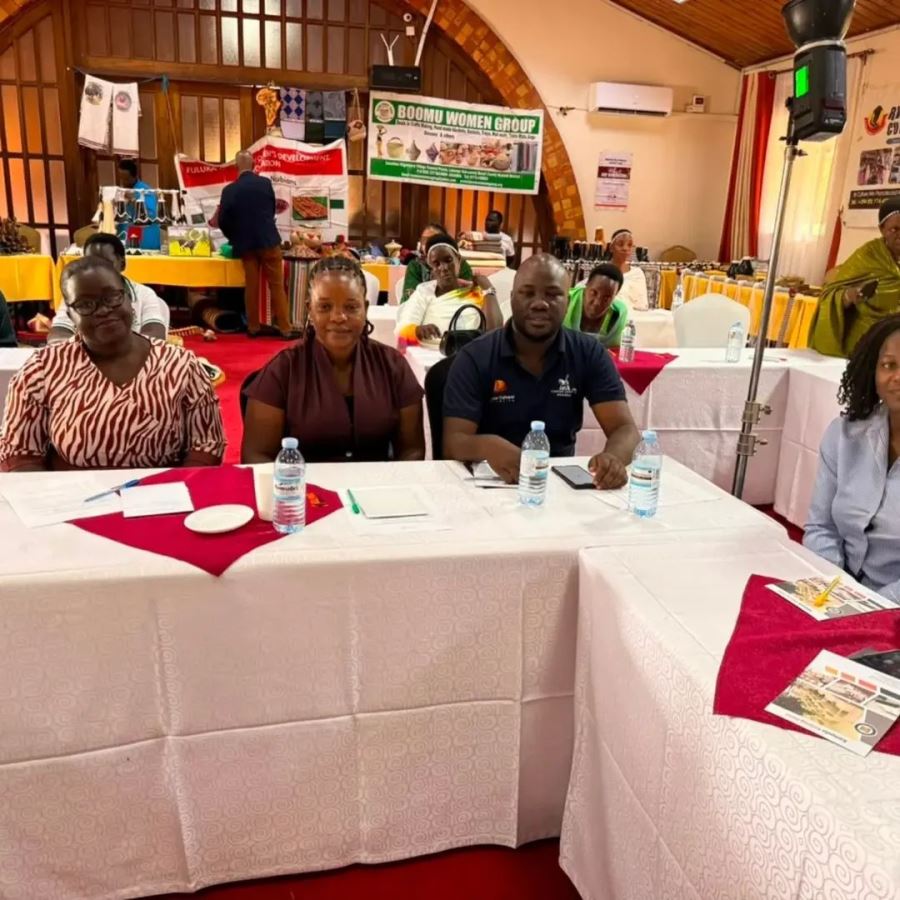
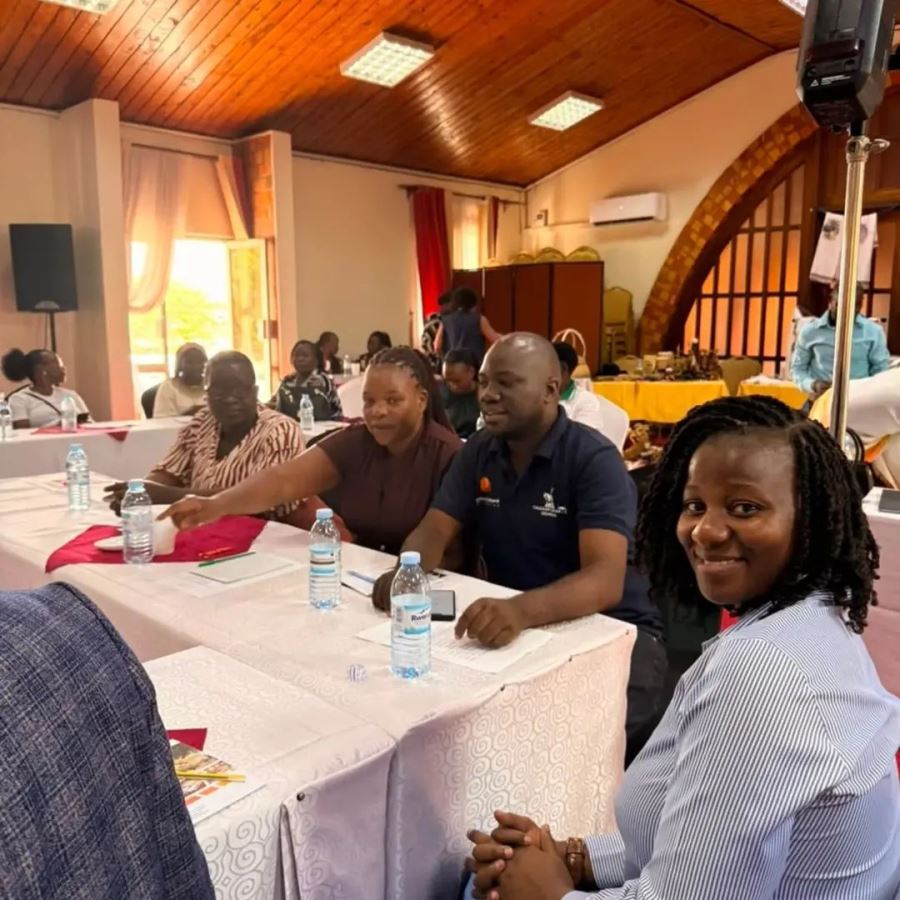
A landmark Stakeholder Policy Dialogue on Cultural Enterprises for Women from Uganda’s Indigenous Minority Groups is taking place at Kampala Kolping Hotel, bringing together women’s cultural groups, Government institutions and cultural development partners to discuss ways of strengthening cultural enterprises and creating greater opportunities for indigenous minority women.
Organised by the Cross-Cultural Foundation of Uganda (CCFU), the dialogue provides a platform for women involved in cultural enterprises to engage directly with key Government stakeholders and partners on policies and support systems that can help their cultural enterprises grow.
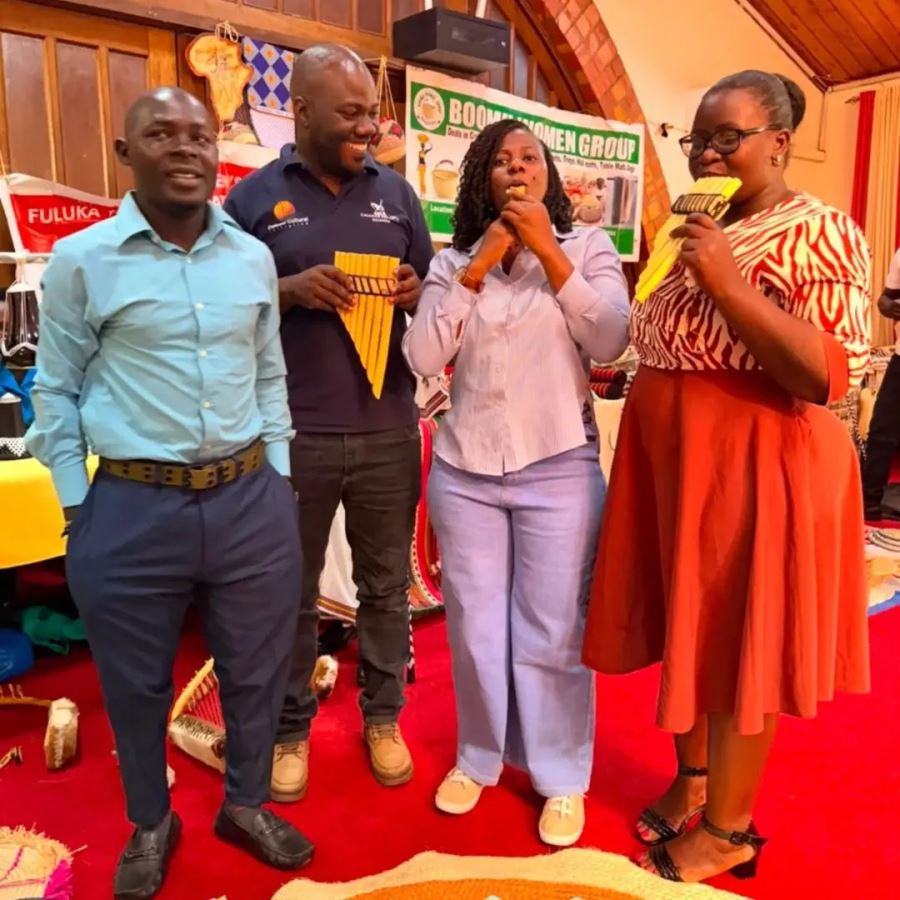
The meeting brings together representatives from women’s cultural groups alongside stakeholders including the Ministry of Gender, Labour and Social Development and the Ministry of Tourism, Wildlife and Antiquities, as well as partners such as Ewaffe Cultural Village and Buganda Heritage and Tourism Board (BHTB).
At the heart of the dialogue is a shared objective: creating an environment where indigenous minority women can use culture, heritage, creativity and traditional knowledge as pathways to sustainable livelihoods and greater economic participation.
Why Cultural Enterprises Matter in Uganda
Uganda has a rich and diverse cultural heritage expressed through traditional knowledge, crafts, music, dance, storytelling, food, clothing, ceremonies, artistic practices and community traditions.
These cultural resources can provide opportunities for entrepreneurship and tourism when communities are supported to develop, manage and benefit from them.
Cross-Cultural Foundation of Uganda (CCFU) describes culture as an important resource for sustainable development and currently works across areas including cultural heritage safeguarding, cultural rights, indigenous minority peoples, cultural enterprises and culture-based livelihoods.
For women from indigenous minority communities, cultural enterprises can create opportunities to generate income while keeping valuable cultural knowledge and practices alive.
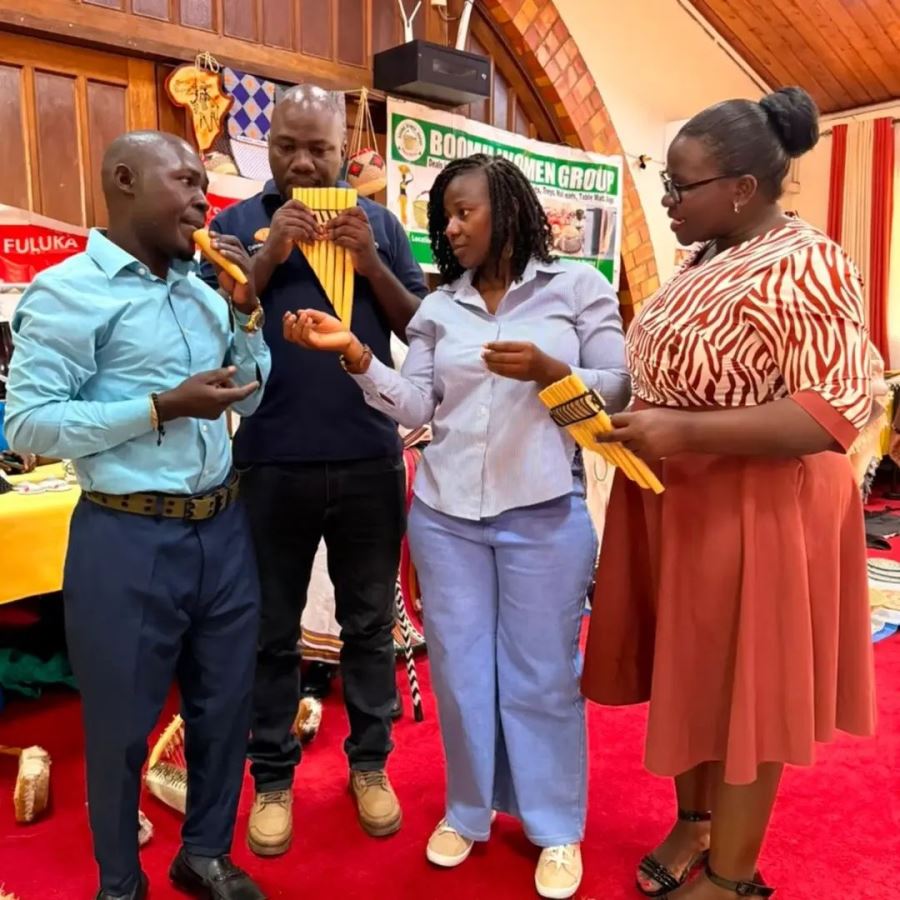
Bringing Women’s Cultural Groups into Policy Conversations
A major feature of the Kampala City dialogue is the participation of women’s cultural groups.
Their involvement is important because policies affecting cultural enterprises are most effective when the people directly involved in cultural production and community-based enterprises have an opportunity to share their experiences and priorities.
Women involved in cultural enterprises may work across areas such as traditional crafts, cultural performances, food, fashion, storytelling, heritage interpretation, community experiences and other creative activities.
Providing these women with a stronger voice in policy discussions can help ensure that support programmes reflect the realities of the communities they serve.
Government and Cultural Stakeholders at the Dialogue
The participation of Government institutions gives the dialogue an important policy dimension.
The Ministry of Gender, Labour and Social Development has a role in areas relating to gender, social development and community empowerment, while the Ministry of Tourism, Wildlife and Antiquities is central to Uganda’s tourism and cultural heritage development.
Bringing stakeholders from these areas together creates an opportunity to examine how culture, tourism, gender and enterprise development can work together to support indigenous minority women.
Cross-Cultural Foundation of Uganda’s wider work includes policy engagement, advocacy and stakeholder dialogue, alongside cultural rights, heritage safeguarding and culture-based livelihoods.
Connecting Culture with Livelihoods
Cultural enterprises can transform cultural knowledge and creativity into practical livelihood opportunities.
For example, community members may develop businesses around:
- Traditional crafts and handmade products
- Cultural performances
- Indigenous food and culinary experiences
- Traditional clothing and fashion
- Storytelling and oral traditions
- Cultural festivals and events
- Community heritage experiences
- Guided cultural tours
- Traditional knowledge and educational experiences
- Cultural tourism products
When these enterprises are appropriately supported, they can contribute to household incomes while creating opportunities for communities to participate more actively in Uganda’s tourism economy.
The Cross-Cultural Foundation of Uganda’s current programme framework specifically identifies culture for livelihood strengthening and cultural and creative enterprises as areas of work.
Cultural Tourism and Indigenous Minority Communities
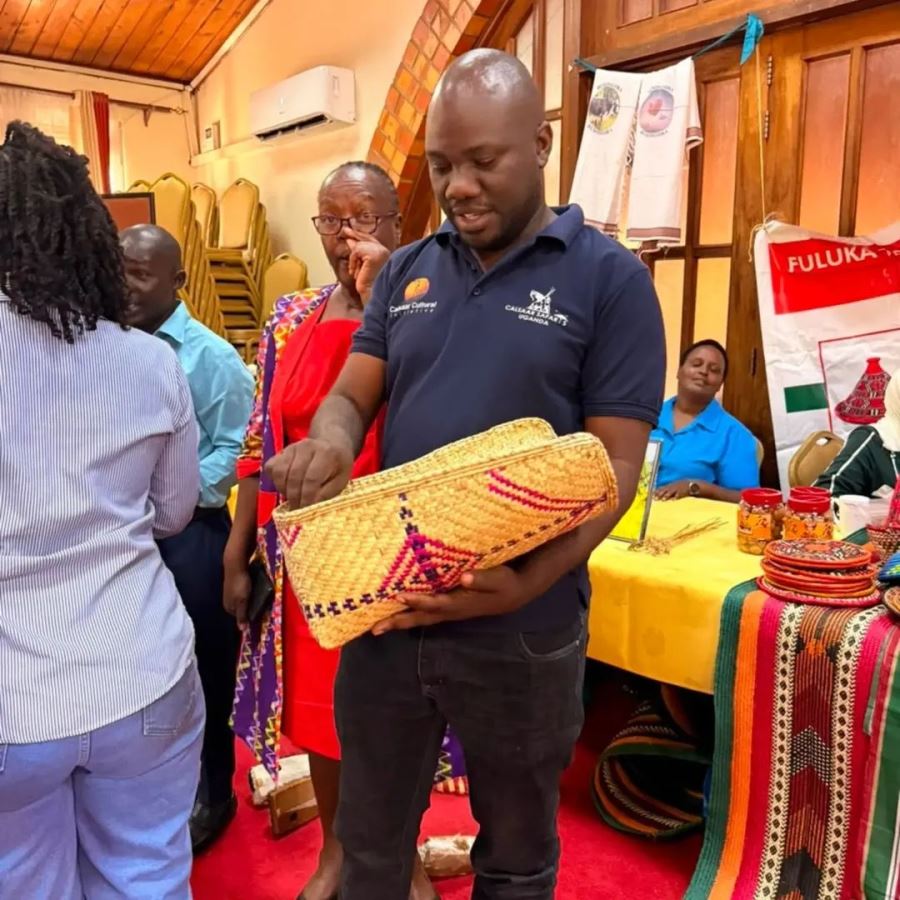
The policy dialogue also has significance for Uganda’s tourism industry.
Travellers are increasingly interested in experiences that allow them to understand the people, traditions, history and cultural identity of the destinations they visit.
Indigenous minority communities possess unique cultural knowledge and heritage that can contribute to meaningful tourism experiences when developed with community participation, consent and appropriate benefit-sharing arrangements.
Cultural tourism can therefore provide an additional market for locally owned enterprises while giving visitors opportunities to learn about Uganda’s diverse communities.
For this to work sustainably, cultural experiences need to respect community rights, traditions, intellectual property, privacy and the ownership of cultural knowledge.
Creating Better Market Access for Women Entrepreneurs
Access to markets is one of the areas that can determine whether a cultural enterprise remains small or develops into a sustainable business.
Women cultural entrepreneurs can benefit from stronger connections with tourism companies, hotels, restaurants, museums, cultural centres, events, online marketplaces and other distribution channels.
Better market access can help cultural products and experiences reach domestic and international visitors.
It can also encourage tourism businesses to source products and services locally, allowing more tourism spending to remain within communities.
The Importance of Skills and Enterprise Support
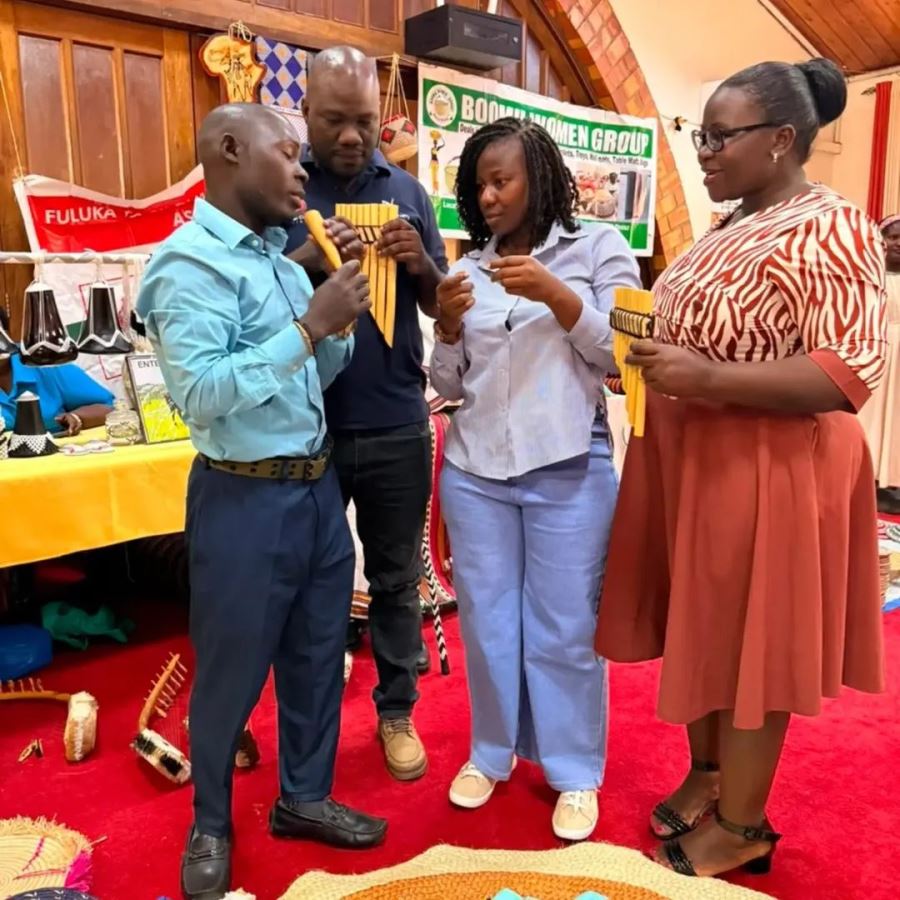
Cultural talent is an important foundation for an enterprise, but businesses also require practical skills to grow.
Women cultural entrepreneurs may benefit from training in areas such as:
- Business planning
- Financial management
- Product development
- Pricing
- Marketing and branding
- Digital marketing
- Customer service
- Tourism product packaging
- Online sales
- Intellectual property awareness
- Sustainable production
Building these skills can help cultural enterprises become more competitive and better prepared to engage with tourism markets.
Protecting Cultural Heritage While Building Businesses
Commercialising cultural heritage requires careful consideration.
Cultural enterprises need to generate economic opportunities while respecting the values, traditions and rights of the communities from which cultural knowledge originates.
The Cross-Cultural Foundation’s work places emphasis on safeguarding Uganda’s tangible and intangible cultural heritage while promoting cultural rights and community participation.
This is particularly important when traditional knowledge, cultural expressions and community stories become part of tourism products.
Responsible cultural tourism should ensure that communities have a meaningful role in deciding how their heritage is presented and used.
Why the Dialogue Matters for Uganda Tourism
Uganda’s tourism industry is built around a combination of wildlife, nature, adventure, culture and community experiences.
Cultural enterprises can strengthen this tourism offering by providing visitors with authentic opportunities to engage with local communities and understand Uganda beyond its natural attractions.
Supporting women from indigenous minority groups can also broaden participation in the tourism economy and create opportunities for communities that may have historically had limited access to tourism markets.
The dialogue therefore connects cultural policy with wider conversations around inclusive tourism, sustainable livelihoods and community participation.
Ewaffe Cultural Village and Community-Based Cultural Experiences
The involvement of Ewaffe Cultural Village highlights the connection between cultural enterprise and visitor experiences.
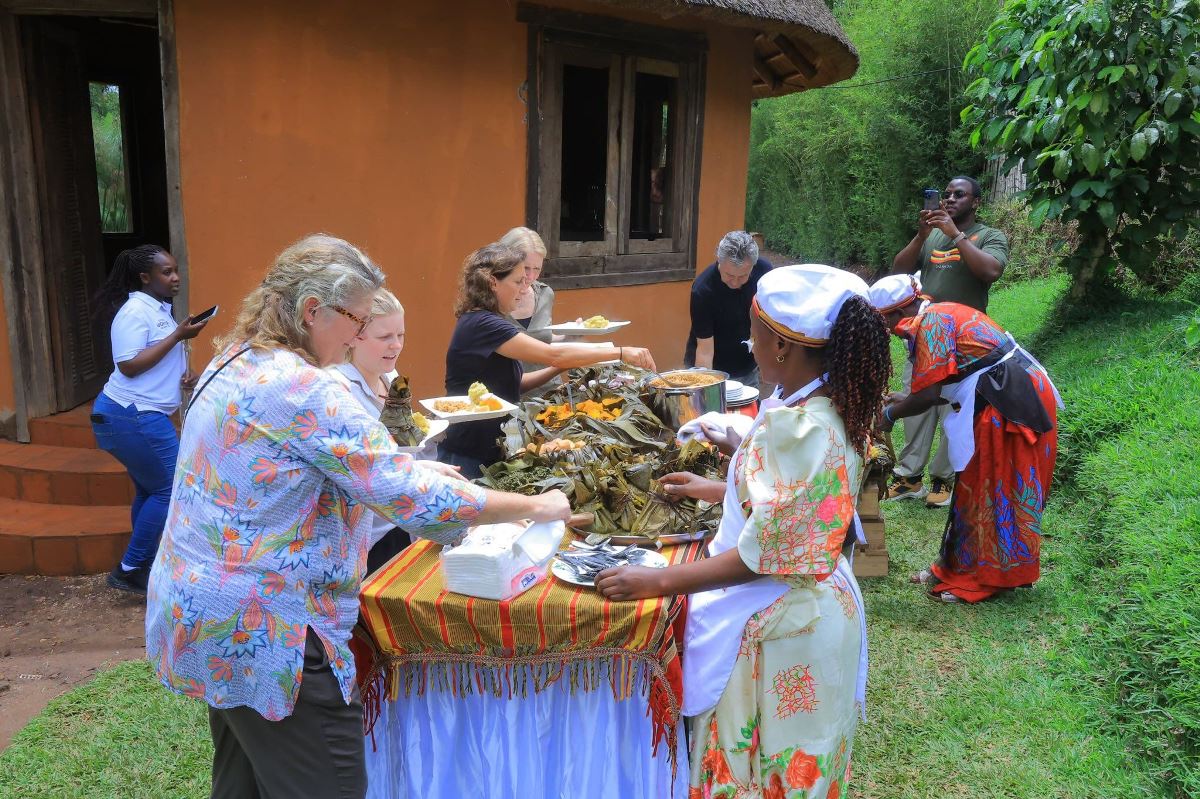
Community-based cultural destinations can provide spaces where visitors encounter local traditions, food, storytelling, crafts, performances and other forms of living heritage.
Such experiences can create direct opportunities for local people to participate in tourism while giving visitors a deeper understanding of Uganda’s cultural diversity.
The development of these enterprises requires appropriate business support, market access and responsible tourism partnerships.
Building Partnerships for Cultural Enterprise Development
No single organisation can address all the challenges faced by cultural enterprises.
Partnerships between Government, cultural organisations, tourism businesses, community groups, financial institutions, development partners and private-sector organisations can help create stronger support systems.
The Kampala policy dialogue provides an opportunity for these stakeholders to share perspectives and identify practical areas for collaboration.
Such partnerships can support enterprise development, skills training, marketing, financing, product development and access to tourism markets.
Women, Culture and Uganda’s Tourism Future
The future of Uganda’s tourism industry will depend partly on how effectively the country connects its cultural diversity with inclusive economic opportunities.
Women from indigenous minority communities can play an important role in this process.
Their knowledge, creativity, traditions and entrepreneurial efforts can contribute to cultural preservation while creating products and experiences that enrich Uganda’s tourism offering.
Strengthening cultural enterprises can therefore support two important objectives: protecting living heritage and creating sustainable livelihood opportunities.
Towards More Inclusive Cultural Tourism
The Stakeholder Policy Dialogue on Cultural Enterprises for Women from Uganda’s Indigenous Minority Groups represents an important conversation about who participates in Uganda’s cultural economy and how they benefit from it.
By bringing women’s cultural groups together with Government stakeholders and cultural development partners, the dialogue creates space for experiences from communities to inform policy and support programmes.
The outcome of such conversations can help shape a cultural tourism environment where communities are active participants in developing and benefiting from tourism experiences.
Responsible Tourism Company and Cultural Experiences in Uganda
At Responsible Tourism Company, we believe responsible travel should create meaningful connections between visitors, local communities, culture and the environment.
Our Uganda travel experiences can include cultural tourism, community visits, heritage experiences, local food encounters, traditional activities, wildlife safaris and tailor-made journeys designed around the interests of each traveller.
We encourage travellers to support locally owned tourism businesses and community enterprises while respecting cultural practices and local ways of life.
Explore Uganda Through Culture and Community
Planning a cultural holiday in Uganda?
Contact Responsible Tourism Company to create a responsible Uganda itinerary that combines cultural experiences with wildlife, adventure, heritage and community tourism.
Call/WhatsApp: +256 704 023 485
Visit www.responsibletourismcompany.com
Email: info@responsibletourismcompany.com
Whether you are interested in cultural villages, traditional food, community experiences, heritage sites or a wider Uganda safari, our team can help you plan a locally connected travel experience.