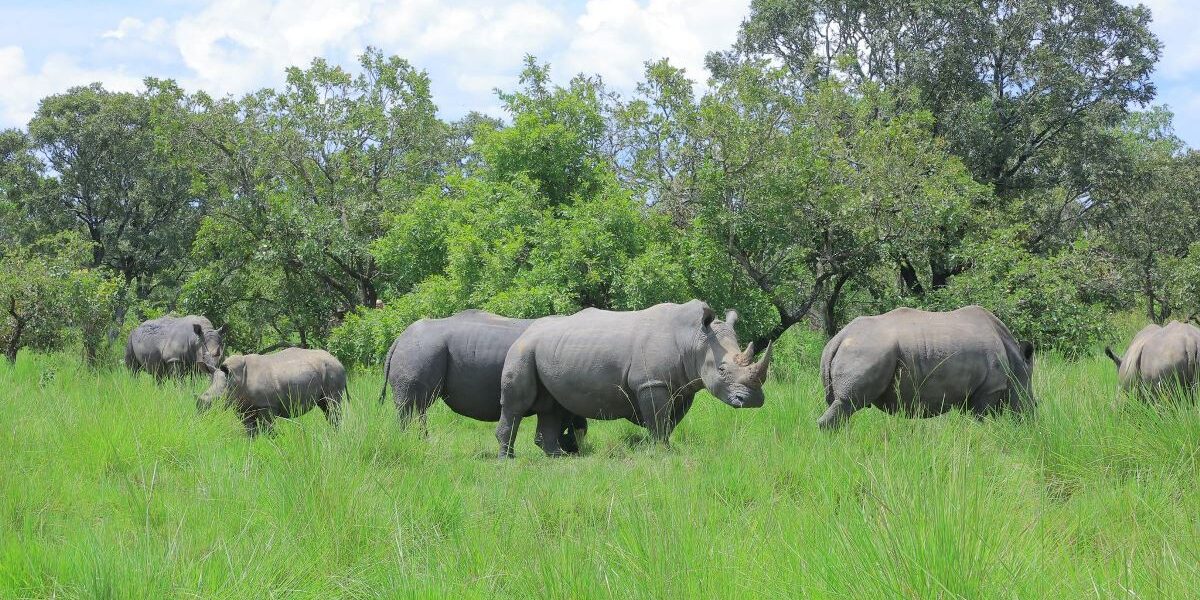
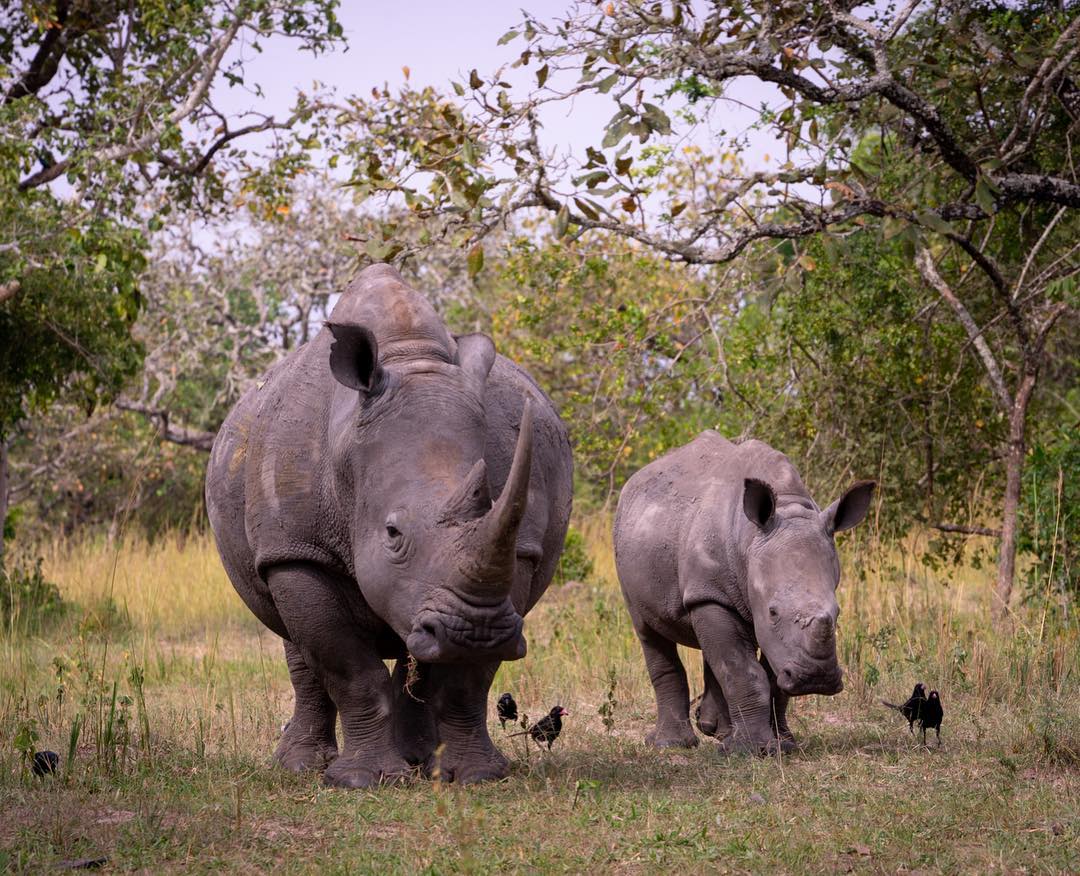
On February 25th, 2026, the Uganda Wildlife Authority (UWA) marked a historic moment by launching a new Rhino Sanctuary within the Kidepo Valley Conservation Area (KVCA).
This initiative, supported by the European Union’s NaturAfrica Kidepo-Turkana Landscape Project, represents a significant step toward restoring Uganda’s rhino population, which has been absent from the wild in this region since poaching wiped them out in 1982.
The launch included the commissioning of a Joint Operations Command Centre and the deployment of motorcycles to bolster field patrols, paving the way for the reintroduction of black rhinos.
This 1,200-hectare sanctuary, funded by a €5 million European Union (EU) grant, aims to combat the global decline in rhino populations, which have dropped by over 60% since 1970 according to International Union for Conservation of Nature (IUCN) data.
The event highlighted community involvement, with local Karamojong leaders participating in traditional attire, underscoring the importance of inclusive conservation strategies that can reduce human-wildlife conflicts by up to 50%.
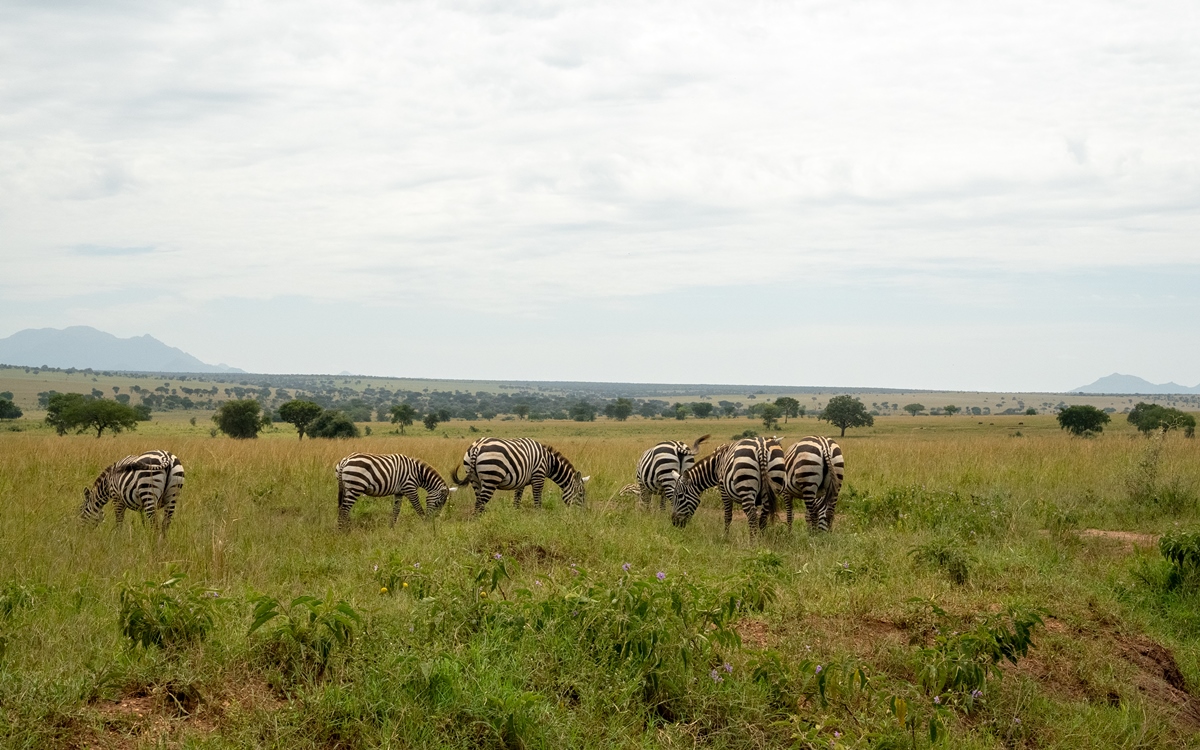
Kidepo Valley National Park, spanning 1,442 square kilometers in Uganda’s remote northeast Karamoja region, is already renowned for its stunning landscapes, diverse wildlife, and as one of Africa’s most intact wilderness areas.
Bordering South Sudan and Kenya, the park offers a unique safari experience far from crowded tourist spots, making the new Rhino Sanctuary a must-visit for wildlife enthusiasts.
Park Tours from Kampala or Entebbe: How to Get to Kidepo Valley National Park
Planning a trip to experience the Kidepo Valley National Park Rhino Sanctuary? Tours from Kampala or Entebbe are accessible via road or air, catering to various budgets and preferences.
– Fly-In Safaris: For a quick and luxurious option, opt for a 4-day fly-in safari from Entebbe International Airport.
The flight takes about 1 hour to Kidepo’s airstrip, followed by transfers to lodges like Apoka Safari Lodge.
These packages often include game drives, meals, and park fees, starting from around USD 1,000 per person.
Operators like Ellington Safaris and Gorilla Link Tours offer ultra-luxury versions with two-way flights and guided wildlife viewing.
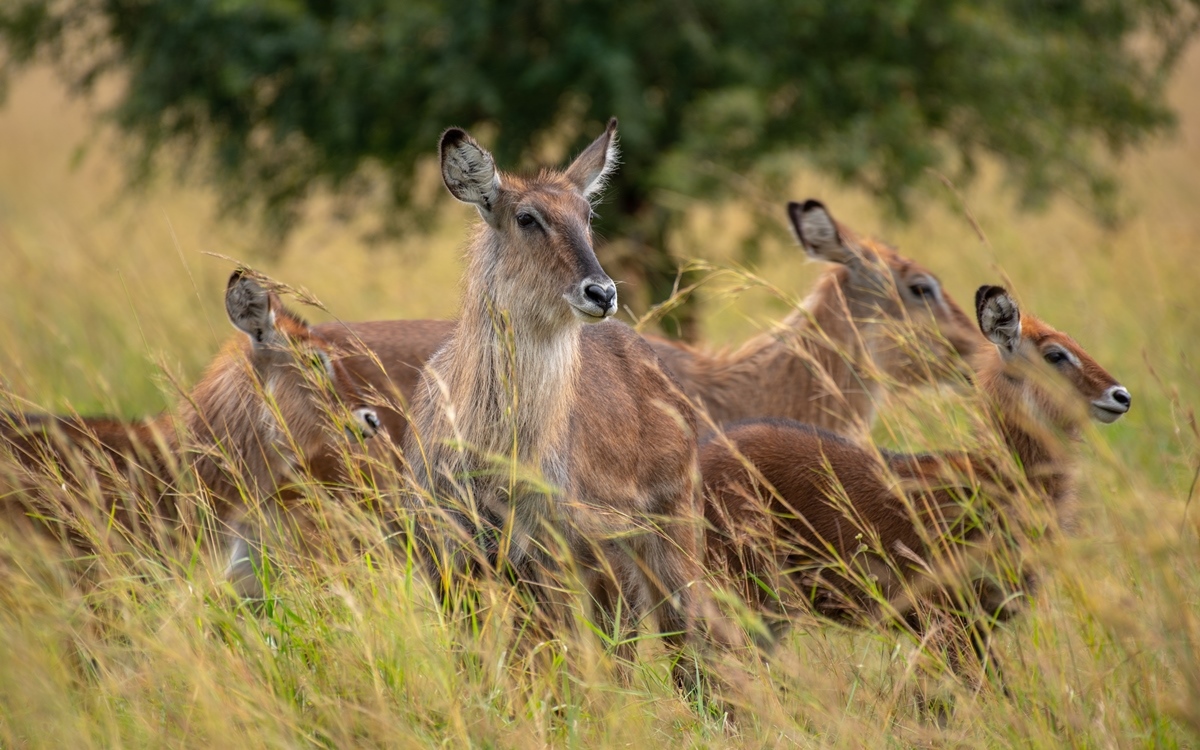
– Road Trips: For adventurers, a 4-6 day drive from Kampala covers approximately 700 km, passing through Gulu and Kitgum towns with en-route lunches.
Expect a full-day journey, but it allows stops for cultural immersion. Budget options start at USD 500, including vehicle hire and guides.
Companies like Silverback Gorilla Tours provide pickups from Kampala hotels and combine the drive with afternoon game drives upon arrival.
– Combined Culture and Wildlife Tours: A 6-day Kampala Culture Tour and Kidepo Wildlife Safari blends Baganda culture in the south with Karamojong experiences and park safaris, ideal for comprehensive Uganda exploration.
The best time for tours is during the dry seasons (June-September and December-February) when roads are passable and wildlife viewing is optimal.
Cultural Experiences in the Kidepo Valley Area: Immersing in Karamojong Traditions
No visit to Kidepo Valley National Park is complete without exploring the rich cultural heritage of the Karamojong people, semi-nomadic pastoralists who have inhabited the region for centuries.
Their communities border the park, offering authentic encounters that enhance your safari.
– Visit Manyattas (Traditional Homesteads): Step into the largest Manyatta in East Africa, circular enclosures of thorn-fenced huts.
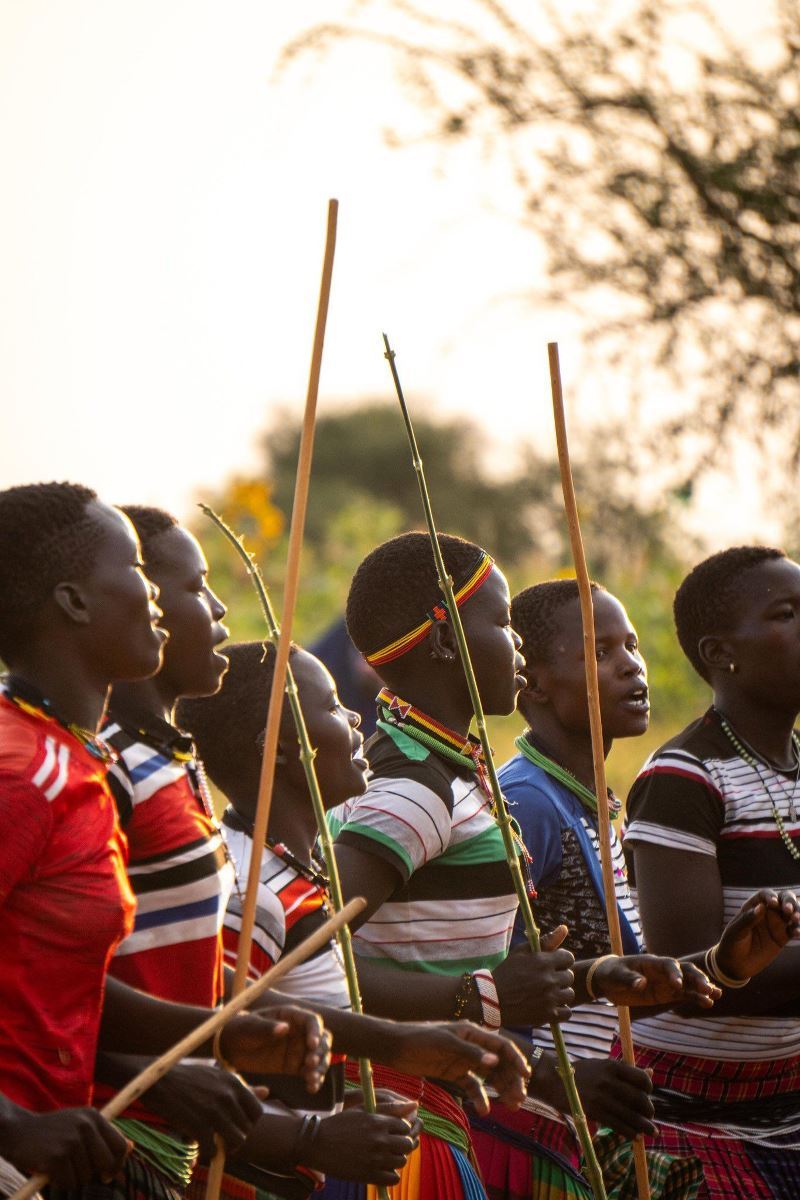
Observe daily life, including cattle herding, milking, and rituals where livestock holds deep cultural significance as a symbol of wealth and social status.
– Traditional Dances and Music: Join energetic performances featuring jumping dances, storytelling, and music. Participate in games, food preparation (like staple sorghum meals), and purchase handmade crafts such as beaded jewelry, arrows, knives, and wooden stools.
– Elder Interactions and Folklore: Meet community elders to learn about Karamojong beliefs, warrior traditions, and nomadic lifestyle. These experiences foster understanding of how the Karamojong coexist with wildlife in this arid landscape.
Tours often include stays in kraals near Moroto, a 3-4 hour drive from Kidepo, for an immersive overnight. Respect local customs by dressing modestly and learning greetings like “A-jono” (hello).
Conservation Efforts by Uganda Wildlife Authority in the Karamoja Region
The Uganda Wildlife Authority (UWA) has been at the forefront of conservation in Karamoja, integrating community involvement to protect biodiversity while supporting local livelihoods.
- Rhino Reintroduction and Anti-Poaching: The new Rhino Sanctuary is part of broader efforts to restore species lost to poaching. Enhanced patrols via motorcycles and command centers aim to secure the area for rhino reintroduction.
- Community Conservancies: Uganda Wildlife Authority (UWA), with partners like the African Wildlife Foundation (AWF), has established Uganda’s first conservancies, such as the Karenga Community Wildlife Area spanning 956 square kilometers across six districts. These empower 370,000 residents through community-led economies, reducing conflicts and promoting coexistence.
- Protected Areas Management: Reserves like Bokora Wildlife Reserve (gazetted in 1964) ensure wildlife migration corridors between Matheniko plains and Pian-Upe. The National Plan for Wildlife Outside Protected Areas (2022-2031) addresses moderate-high threats in Amudat and Karenga.
- Community-Based Tourism: Karamoja’s shift from banditry to safe, tourism-focused areas emphasizes sustainable development, with degazetting in 2002 allowing balanced land use.
These initiatives highlight UWA’s commitment to conserving for generations, as echoed in their recent campaigns.
FAQs About Kidepo Valley National Park
Here are some frequently asked questions to help plan your visit to the Kidepo Valley National Park Rhino Sanctuary:
- How do I get to Kidepo Valley National Park?
Fly from Entebbe (1 hour) or drive from Kampala (10-12 hours via Gulu and Kitgum). Fly-in tours are recommended for convenience. Whatsapp or Call +256 704023485 for further assistance
- What is the best time to visit?
Dry seasons (June-September, December-February) for better road access and wildlife sightings. The park is visitable year-round, but wet seasons may make roads challenging. Book your tour with Responsible Tourism Company today!
- What wildlife can I see?
Over 77 mammal species, including lions, elephants, giraffes, buffaloes, and now gearing up for rhinos. It’s a birdwatcher’s paradise with 465+ species.
- What are the entry fees?
Foreign non-residents: USD 40; Foreign residents: USD 30; East Africans: UGX 20,000. Fees cover 24 hours.
- Is the park safe?
Yes, Karamoja is now safe for tourism, with community-based efforts reducing past issues. Stick to guided tours.
- What activities are available?
Game drives, birdwatching, hiking Morungole Ranges (up to 2,750m), cultural visits, and nature walks.
- Can I bring pets or litter?
No pets allowed to avoid conflicts with wildlife. Do not litter, and stay in vehicles during drives for safety.
Ready to embark on an unforgettable journey to the Kidepo Valley National Park Rhino Sanctuary? Support sustainable travel by booking with a Responsible Tourism Company.
Contact us at Responsible Tourism Company today to customize your eco-friendly safari and contribute to conservation efforts.
Visit our website or email info@responsibletourismcompany.com for bookings!
Book Cars + Hotels in North EasternUganda
Get North Eastern Uganda Car Rental & North Eastern Uganda Hotel Deals in Uganda When You Book Them Together! Find deals from $50 per by comparing on Responsible Tourism Company. Visit our website. Responsible Tourism Company Rental Cars https://responsibletourismcompany.com/transportation-services/
Book tours with Responsible Tourism Company for an unforgettable experience from wildlife safari tours, adventure tours among others on our Uganda Tour Packages.