California truly shines year-round, but choosing the best time to visit depends on what you want from your trip: sunny beaches, epic hikes, wine-tasting, festivals, or snow-filled adventures. Travelers and locals alike have plenty to say about timing, and after years of exploring the Golden State’s coastlines, mountains, and vibrant cities, I’m here to help you dial in your travel plans for the ultimate experience.
Why Timing Matters When Visiting California
With its sweeping variety of climates from foggy coastlines to fiery deserts and alpine peaks—California’s weather isn’t as predictable as outsiders might think. The northern and southern regions, elevation, and even proximity to the ocean or desert mean that a “perfect” month in one spot could be rainy, foggy, or even snowbound elsewhere. And with wildfire seasons increasingly unpredictable, there’s even more reason to plan carefully and flexibly.
California’s Seasonal “Personalities”
Spring (March–May): Fresh Starts and Wildflowers
Spring in California is a showstopper. The rainy season tapers off, hills and fields erupt in green and wildflowers, and temperatures are comfortably mild nearly everywhere. Los Angeles and San Diego start warming up, while the Sierra Nevada still sports snow on the peaks. Lower elevations are ideal for hiking and sightseeing, and you’ll also beat summer crowds.
April and early May are especially glorious locals mention this is when the coast is lush, the deserts bloom with poppies and cacti, and even wine country feels less hectic. If your partner (or yourself!) isn’t keen on heat, spring offers cool days and crisp evenings that make exploring easy.
Some areas, like the redwoods and coastal bluffs, are ideal this time of year. Trails are open, but higher regions may still have snow, especially in national parks like Yosemite and Sequoia.
Summer (June–August): Sun, Fun, and Crowds
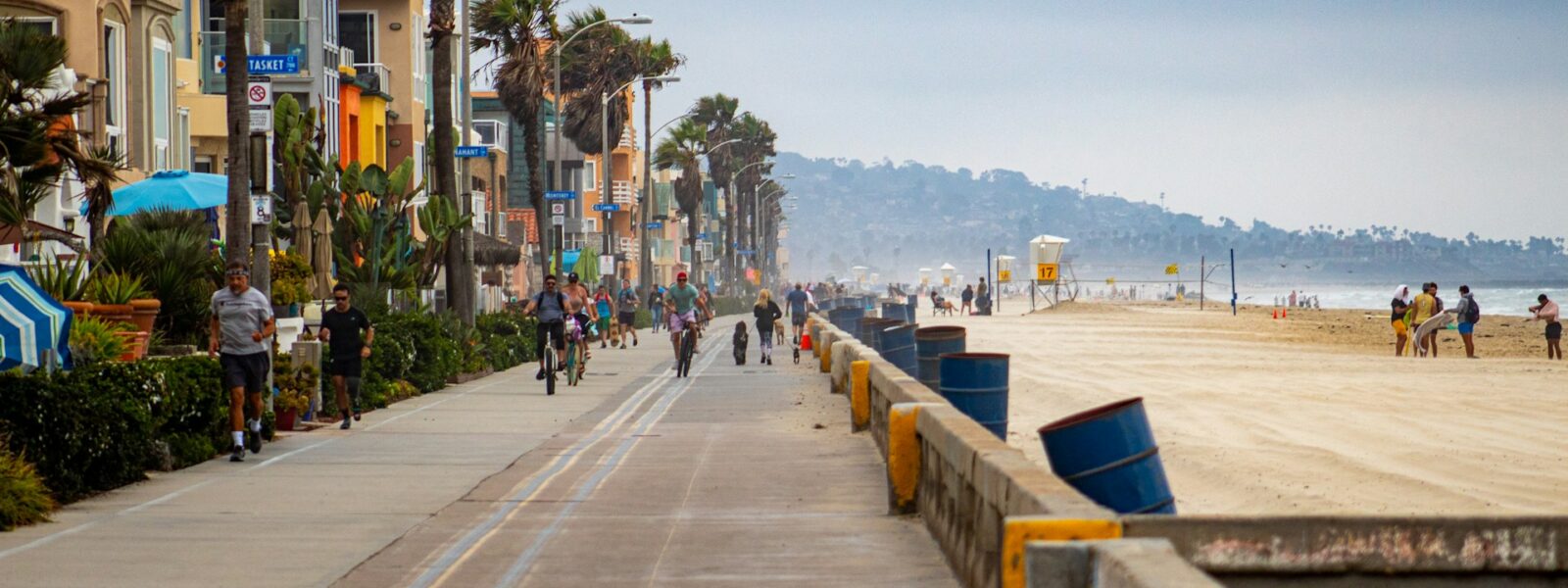
Visiting California in summer means long beach days, lively outdoor festivals, and reliably sunny weather in most places. Coastal cities like Santa Barbara, LA, and San Diego are bustling and bright, with plenty of visitors, school vacationers, and big events. July marks the “true summer” along the coast, according to SoCal locals, with May Gray and June Gloom usually keeping mornings misty and fresh.
Inland valleys (like Fresno) and deserts (think Palm Springs, Death Valley) can get blazing hot, well into the 100°F range (38°C+). Meanwhile, San Francisco can surprise you with chilly temps and persistent fog (locals joke the coldest winter they ever spent was a summer in San Francisco).
High country meadows and national park trails finally thaw, and you can still find snow at the highest passes, but overall, summer is when outdoor adventure and family fun are at their peak.
The downside? Summer is peak travel season. Expect crowded attractions and high prices for hotels and tours, especially by the beach and in national parks.
Autumn (September–November): Golden Light, Fall Colors, and Indian Summer
If you want to avoid crowds but soak up pleasant weather, autumn is locals’ favorite season. September and October bring “Indian summer” on the North Coast and in San Francisco the sunniest days of the year, with daytime temps often in the 70s (21°C+). Southern California beaches remain warm, while vineyards and mountain towns glow with harvest colors.
If you’re after wine country (Napa, Sonoma, Paso Robles), September and October are magic—the grape harvest brings festivals, crisp mornings, and a vibrant buzz to vineyards. Fall colors in the High Sierra, Lake Tahoe, and around Yosemite mean beautiful hikes and cool nights, sometimes with early snow on the passes.
Crowds thin out after Labor Day, and accommodations are easier (and often cheaper) to book than in summer. Locals say October is “our summer” in Northern California, and places like Pinnacles and the coast just south of San Francisco are at their most pleasant.
Caution: Fall is an increasingly wildfire season. September and October can see big fires, especially if hot Santa Ana winds hit (look up CalFire’s maps to track conditions)..
Winter (December–February): Mild Weather and Cozy Retreats
Winter is mild along California’s coast and in the southern cities. The beaches are peaceful, the crowds are gone, and LA and San Diego see some of their best weather in the 60s (15°C+) and mostly sunny days. Up north, San Francisco is chillier and wetter, but not freezing.
Winter is the rainy season statewide, usually between December and March. Expect more precipitation in NorCal and the Sierra foothills, but Southern California and deserts like Palm Springs are often sunny and dry—perfect for hiking.
Mountain lovers, this is ski and snowboard season! Resorts around Tahoe, Mammoth Lakes, and the Southern Sierra offer snow sports from December through March or early April. Look for killer powder and fewer crowds in January.
If you want to visit Yosemite, Sequoia, or national parks at elevation, some trails and passes close for the season, but the parks are dreamlike with snow. The crowds are sparse, and accommodations can be wonderfully affordable.
Fire Season, Fog and Other Curveballs
Wildfire season in California has become longer and less predictable, especially in recent years. Fires now start as early as May or even April in some regions, but peak activity is usually late summer into fall, with September and October being most at risk, especially in Northern California and the Sierra Nevada.
Fog is another quirky California trait, making coastal mornings cool and mysterious. May Gray and June Gloom are common on the coast, especially in Los Angeles and San Diego, so don’t expect blazing sun until July rolls in.
Month-by-Month Breakdown: California Weather at a Glance
| Month | Southern CA (°F) | Northern CA (°F) | Rain Risk | Crowds | Wildfire Risk | Notable Features |
|---|---|---|---|---|---|---|
| January | 68/49 | 58/43 | High | Low | Low | Skiing in mountains, desert hiking |
| February | 70/50 | 62/45 | High | Low | Low | Wildflowers start blooming |
| March | 73/53 | 65/47 | Medium | Moderate | Low | Rain tapers, green hills |
| April | 74/54 | 68/49 | Low | Moderate | Low | Wildflowers, mild temps |
| May | 74/58 | 70/52 | Low | Moderate | Medium | Gray/fog on coast, less crowds |
| June | 78/62 | 72/55 | Low | High | Medium | Summer begins, high country opens |
| July | 83/65 | 74/57 | Low | High | High | Beaches prime, hiking best |
| August | 84/66 | 75/58 | Low | High | High | Festivals, warm coast, harvest time |
| September | 84/65 | 74/56 | Low | Moderate | High | Indian summer, wine festivals |
| October | 81/61 | 70/51 | Low | Low | High | Peak fall colors, best coast weather |
| November | 74/54 | 63/46 | Medium | Low | Medium | Start of winter, cozy indoor fun |
| December | 68/49 | 58/43 | High | Low | Low | Winter sports, holiday events |
Insider’s Guide: By Region
-
Coastal California (LA, San Diego, SF, Highway 1):
-
Best: April, May, September, October; less fog and perfect temps
-
Avoid: Peak summer crowds unless you love busy beaches
-
Note: SF is cool even in summer; always bring layers.
-
-
Wine Country (Napa, Sonoma, Paso Robles):
-
Best: June to October; grape harvest, fewer crowds in spring/fall
-
-
Deserts (Palm Springs, Joshua Tree, Death Valley):
-
Best: November–April; temps are pleasant, wildflower blooms
-
-
Mountains (Tahoe, Yosemite, Sequoia):
-
Best: May–September for hiking/outdoors, December–March for snow sports
-
Avoid: Fall wildfire season unless you check conditions
-
Things to Consider
-
Wildfire disruptions: Fall has higher fire risks, especially in the High Sierra and NorCal. Always check local conditions before booking.
-
Crowds and cost: Avoid June–August if you dislike crowds and higher prices, especially at the most famous spots.
-
Local events: Festivals, grape harvests, and beach culture vary by month and region; look for community calendars to catch fun events.
Bulleted Takeaway: Best Times At-A-Glance
-
Spring (March–May): Green hills, wildflowers, fewer crowds, cool weather
-
Early Summer (June): Start of beach season, but can be crowded
-
High Summer (July–August): Sunniest, busiest, best for beaches/hiking
-
Autumn (September–October): Sunniest coasts, harvest time, fall colors, best weather overall
-
Winter (December–February): Mild in south, holiday events, mountain snow; rain in north
Final Thoughts
For travelers like me (and many locals), April/May and September/October are unbeatable for comfort, lower crowds, and practically “golden” weather. Yet California’s magic is always available somewhere, if you’re willing to plan around the quirks—whether it’s foggy mornings by the coast, snowy trails in the mountains, or finding that first glass of local wine under a crisp autumn sky. Pack layers, check current conditions, and let the state surprise you with its year-round abundance.