
Uganda’s remarkable wildlife conservation journey is receiving international attention as CNN, an American international news television network, shines a spotlight on Ziwa Rhino Sanctuary, a major centre for rhino conservation in Nakasongola District.
The sanctuary represents an important chapter in the country’s efforts to restore a species that disappeared from Uganda’s wild landscapes following decades of poaching, insecurity and habitat-related pressures.
Located along the Kampala-Gulu highway, Ziwa Rhino Sanctuary has become an important destination for wildlife enthusiasts, conservation supporters and travellers exploring Uganda’s natural attractions.
Ziwa Rhino Sanctuary’s story reflects the value of long-term conservation programmes and the commitment required to protect endangered wildlife.

How Uganda Lost Its Wild Rhinos
Uganda was once home to both black and white rhinoceroses, which inhabited different parts of the country, including areas around Murchison Falls and Kidepo Valley National Parks.
However, widespread poaching, civil unrest and insecurity during the 1970s and early 1980s caused rhino populations to collapse.
By the early 1980s, rhinos had disappeared from Uganda’s wild landscapes. The last confirmed sighting of a black rhino in Kidepo Valley National Park was recorded in 1983, marking a devastating moment in the country’s wildlife history.
The loss of these iconic animals created an urgent need for a national conservation and recovery programme.
Ziwa Rhino Sanctuary: Bringing Rhinos Back to Uganda
Established in 2005, Ziwa Rhino Sanctuary became a central part of Uganda’s rhino recovery programme.
The initiative introduced southern white rhinos to a protected breeding environment, with the long-term ambition of rebuilding a sustainable population and supporting their return to suitable habitats across the country.
The sanctuary’s initial breeding population was formed by six rhinos brought from Kenya and the United States between 2005 and 2006.
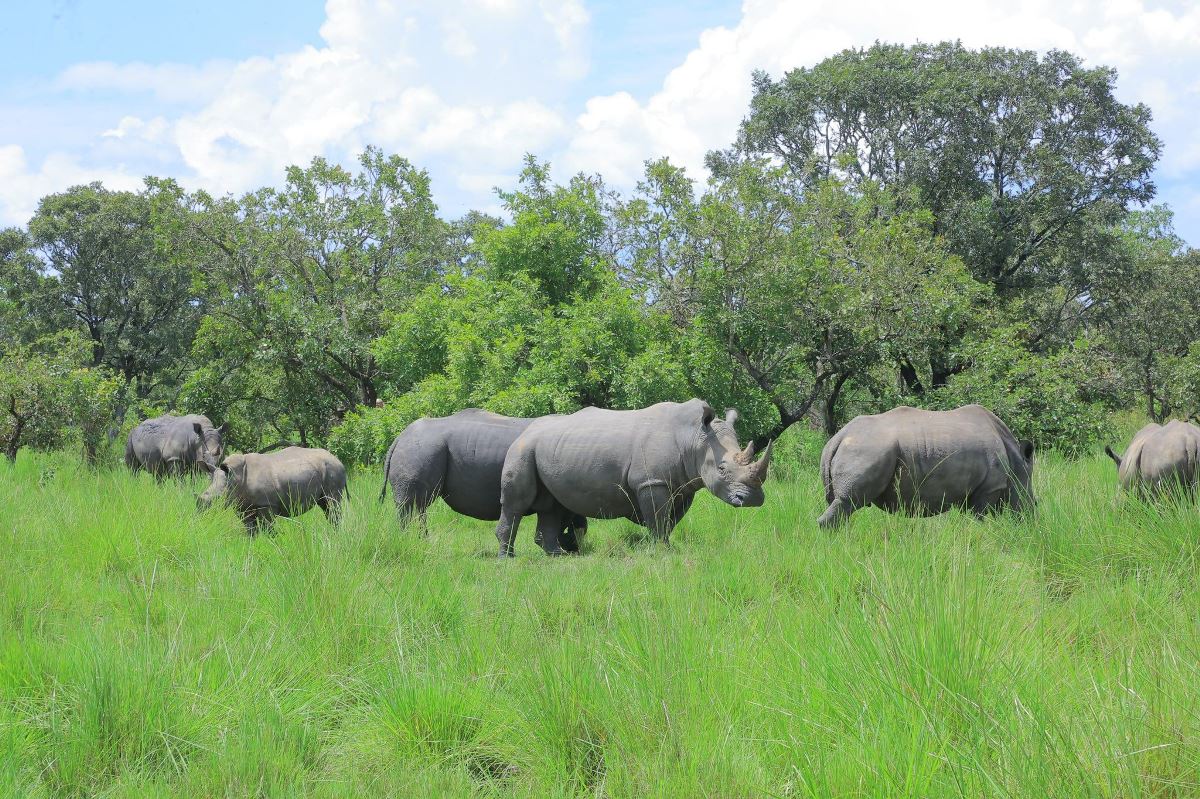
Through protection, monitoring and breeding efforts, the population gradually increased.

Rhino Tracking at Ziwa Rhino Sanctuary: A Unique Uganda Wildlife Experience
For visitors, Ziwa Rhino Sanctuary offers an opportunity to learn about rhino conservation while observing these impressive animals in a protected natural environment.
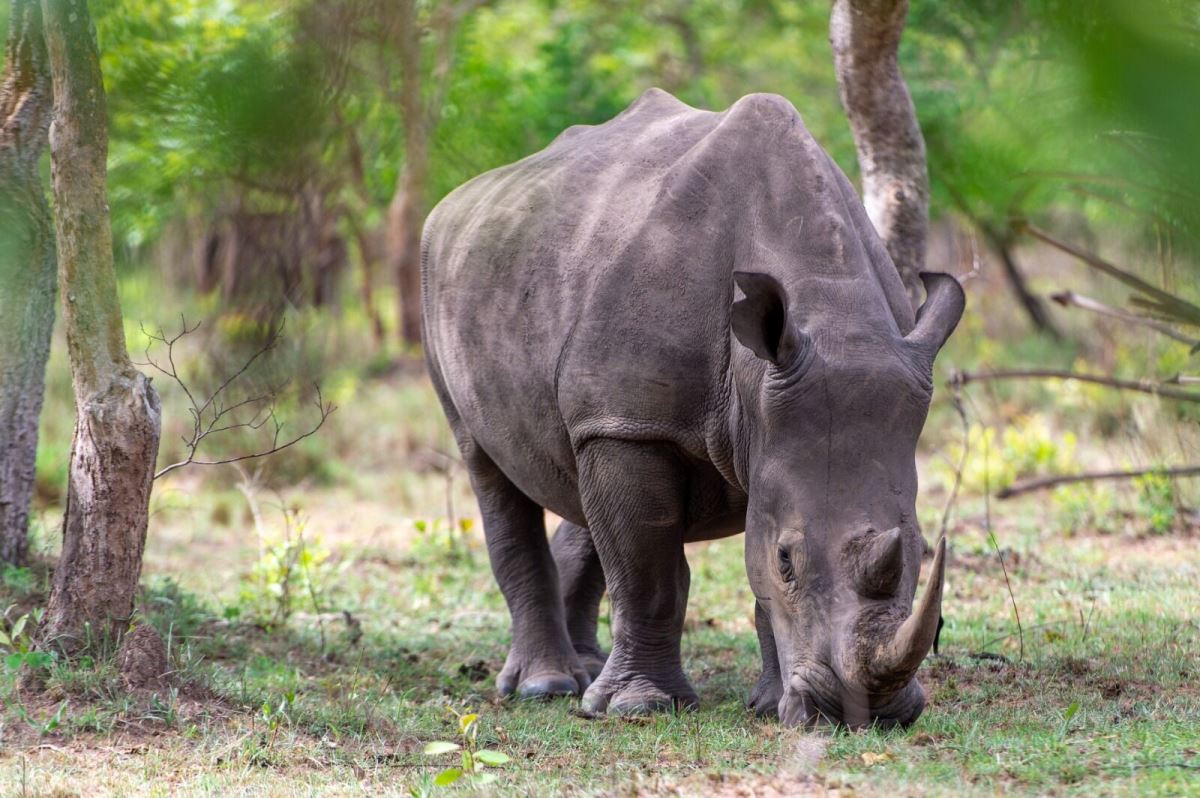
One of the sanctuary’s notable visitor experiences is guided rhino tracking on foot, accompanied by trained guides and rangers.
This experience allows visitors to observe rhinos at a respectful distance while learning about their behaviour, conservation and the importance of protecting endangered wildlife.
A visit to Ziwa Rhino Sanctuary can also be incorporated into a longer Uganda safari, particularly for travellers journeying between Kampala or Entebbe Cities and Murchison Falls National Park.
The sanctuary is an appealing stop for wildlife photographers, families, nature enthusiasts and visitors interested in responsible tourism.
According to Uganda Wildlife Authority’s 2026 State of Wildlife Resources in Uganda report, the country had 61 southern white rhinos, including 53 at Ziwa Rhino Sanctuary.
The national population of the southern white rhinos also includes animals at other conservation locations, reflecting the expansion of Uganda’s recovery efforts.
The progress at Ziwa Rhino Sanctuary has helped create opportunities for rhinos to return to some of their former habitats.
In 2026, Uganda also advanced rhino restoration efforts in protected areas including Kidepo Valley National Park.
Ziwa Rhino Sanctuary and Uganda’s Tourism Development
Ziwa Rhino Sanctuary contributes to Uganda’s tourism appeal by connecting wildlife conservation with visitor experiences.
The sanctuary provides an opportunity for travellers to understand the challenges facing endangered species and the work involved in restoring wildlife populations.
The sanctuary is also strategically positioned along a popular route to Murchison Falls National Park, making it a practical addition to northern Uganda safari itineraries.
For Uganda, the recovery of rhinos represents an important conservation achievement and strengthens the country’s wider efforts to protect biodiversity, develop wildlife tourism and encourage responsible travel.
Ziwa Rhino Sanctuary Accommodation
Visitors to Ziwa Rhino Sanctuary in Nakasongola District, Uganda, have several accommodation choices, ranging from safari lodges and private chalets to guesthouses and campsites.
The most convenient option is to stay within the sanctuary or in the nearby Nakitoma area, especially if you plan to enjoy rhino tracking early in the morning.
Ziwa Rhino Sanctuary is also a popular overnight stop for travellers driving from Kampala or Entebbe Cities to Murchison Falls National Park.
Staying nearby allows you to enjoy rhino tracking without rushing your journey.
Recommended accommodation options within and nearby Ziwa Rhino Sanctuary
Located inside Ziwa Rhino Sanctuary, Amuka is a convenient choice for visitors who want a safari-style stay close to rhino-tracking activities. The safari lodge offers chalet accommodation in a natural woodland setting.

- Ziwa Rhino and Wildlife Ranch
The ranch offers accommodation options for different budgets, including camping and tented stays. This accommodation site is particularly suitable for travellers who want to remain close to the sanctuary’s wildlife experiences.
- Butiti Bed & Breakfast Ranch House
A countryside bed-and-breakfast option along the Kampala-Masindi-Gulu highway. This accommodation may suit visitors looking for a quieter, home-style overnight stay near the Ziwa Rhino Sanctuary area.
- Kafu River Lodge and Campsite (NEUL)
A simple accommodation and camping option in Nakitoma, suitable for travellers looking for a more budget-conscious stopover along the northern Uganda route.
- Norena Hotel Nakasongola
A town-based hotel option for visitors who prefer to stay in Nakasongola and have access to local services.
- Rhino Guest House
A guesthouse in Nakasongola town that may work for visitors seeking basic town accommodation, restaurant facilities and a stopover before or after visiting Ziwa Rhino Sanctuary.
Which accommodation should you choose?
| Traveller type | Recommended stay |
| Luxury and safari experience | Amuka Safari Lodge |
| Staying close to rhino tracking | Ziwa Rhino and Wildlife Ranch |
| Countryside bed and breakfast | Butiti Ranch House |
| Budget camping | Kafu River Lodge and Campsite |
| Town-based accommodation | Norena Hotel |
| Simple guesthouse stay | Rhino Guest House |
How to Get to Ziwa Rhino Sanctuary, Uganda
Ziwa Rhino Sanctuary is located in Nakasongola District, approximately 176 kilometres north of Kampala City, along the Kampala-Gulu Highway towards Murchison Falls National Park.
The sanctuary is accessible by road and is a popular stopover for travellers exploring northern Uganda.
- By road from Kampala City
The most convenient way to reach Ziwa Rhino Sanctuary from Kampala City is by private vehicle or organised safari transfer.
- Distance: Approximately 166-176 km.
- Travel time: Around 3 hours, depending on traffic and road conditions.
- Route: Kampala – Bombo – Luwero – Nakasongola – Nakitoma – Ziwa Rhino Sanctuary.
From Kampala City, take the Kampala-Gulu Highway heading north. Continue through Luwero and Nakasongola towards Nakitoma Trading Centre.
At Nakitoma, follow the signposts directing visitors to Ziwa Rhino Sanctuary. The final approach is along the access road leading to the sanctuary entrance.
- From Entebbe International Airport
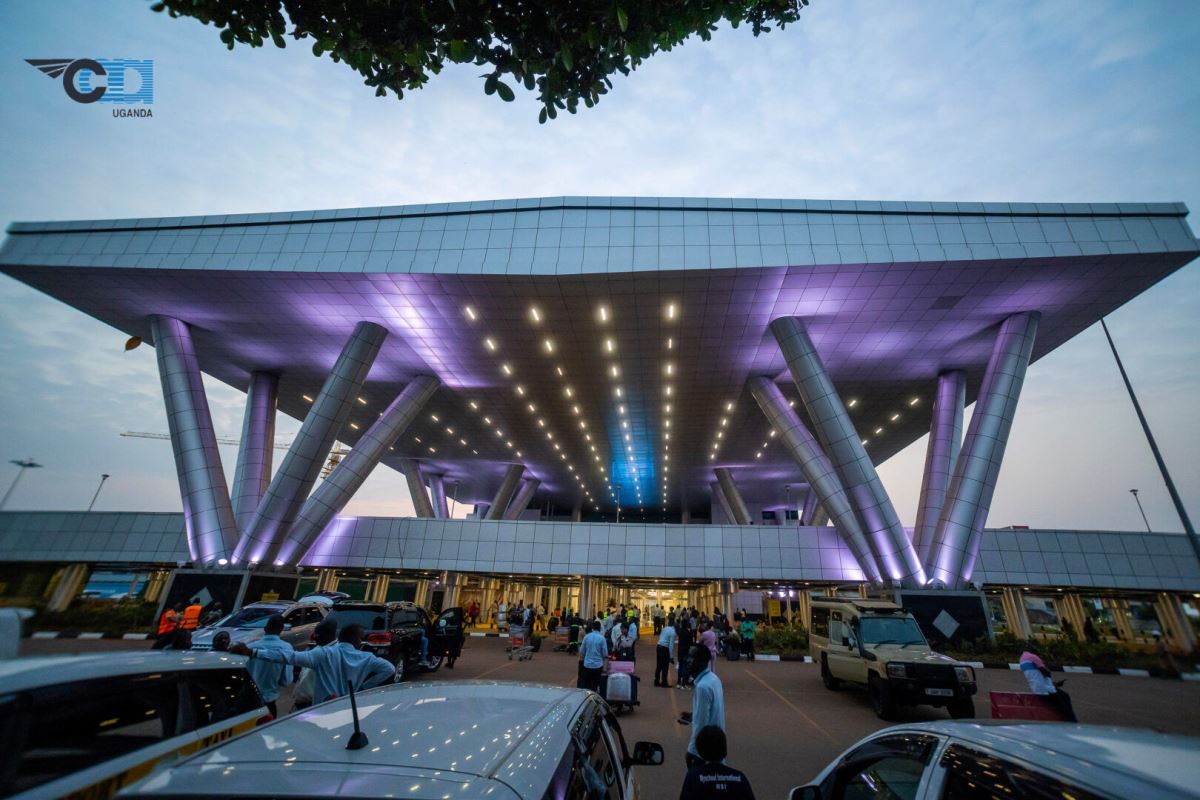
Travellers arriving at Entebbe International Airport can reach Ziwa Rhino Sanctuary by private transfer or rental vehicle.
- Distance: Approximately 200 km.
- Travel time: Around 3–4 hours, depending on traffic.
- Route: Entebbe – Kampala – Bombo – Luwero – Nakasongola – Nakitoma – Ziwa Rhino Sanctuary.
Travellers can use the Kampala-Entebbe Expressway to access Kampala’s road network before joining the northern route towards Nakasongola.
- By public transport
Visitors travelling on a budget can take a public bus or taxi from Kampala City towards Nakasongola or along the Kampala-Gulu route.
From Nakasongola or the Nakitoma area, arrange a local taxi or other suitable transport to the sanctuary.
Public transport may not take you directly to the sanctuary entrance, so arranging onward transport in advance is recommended.
- By organised safari transfer
Booking a private transfer with a local tour operator is a convenient option, particularly for international visitors, families and travellers combining Ziwa Rhino Sanctuary with Murchison Falls National Park.
A private safari vehicle provides flexibility for stopovers, luggage, accommodation transfers and scheduled rhino-tracking activities.
Travel tips for visitors
- Start your journey early, especially if you plan to participate in morning rhino tracking.
- Confirm your tracking arrangements and accommodation before travelling.
- Carry drinking water, comfortable walking shoes, sunscreen and insect repellent.
- Allow extra time for traffic around Kampala and possible delays along the highway.
- Follow the sanctuary’s access instructions and the guidance of its trained rangers.

Airport Transfers and Safari Transport with Responsible Tourism Company
Planning a visit to Ziwa Rhino Sanctuary? Responsible Tourism Company offers private transport and tailor-made Uganda safari packages to make your journey comfortable and convenient.
We can arrange:
- Private transfers from Entebbe International Airport and Kampala City to Ziwa Rhino Sanctuary.
- Guided Ziwa Rhino Sanctuary visits and rhino-tracking arrangements.
- Accommodation bookings around Nakasongola.
- Combined Ziwa Rhino Sanctuary and Murchison Falls National Park safaris.
- Extended Uganda wildlife and cultural safari packages.
Visit Ziwa Rhino Sanctuary with Responsible Tourism Company
Are you planning a Uganda safari? Include Ziwa Rhino Sanctuary in your itinerary and experience one of the country’s inspiring wildlife conservation stories.
Responsible Tourism Company can help arrange a visit to Ziwa Rhino Sanctuary as part of a tailor-made Uganda safari, including trips to Murchison Falls National Park, wildlife viewing experiences, cultural encounters and other destinations across the country.
Whether you are planning a short wildlife excursion or an extended Uganda holiday, our team can help you organise a memorable and responsible travel experience.
Plan your Uganda safari with Responsible Tourism Company.
Call/WhatsApp: +256 704 023 485
Visit www.responsibletourismcompany.com
Email: info@responsibletourismcompany.com
Travel responsibly. Discover Uganda. Support wildlife conservation.
Frequently asked questions
- Where is Ziwa Rhino Sanctuary located?
Ziwa Rhino Sanctuary is located in Nakasongola District, along the Kampala–Gulu highway in central Uganda.
- When was Ziwa Rhino Sanctuary established?
The sanctuary was established in 2005 as part of Uganda’s efforts to reintroduce rhinos and establish a sustainable breeding population.
- Why did rhinos become extinct in Uganda’s wild?
Poaching, civil unrest, insecurity and habitat pressures contributed to the disappearance of rhinos from Uganda’s wild landscapes during the 1970s and early 1980s.
- Can visitors see rhinos at Ziwa Rhino Sanctuary?
Yes. Visitors can participate in guided rhino tracking on foot, accompanied by trained guides and rangers, subject to sanctuary rules and availability.
- Can Ziwa Rhino Sanctuary be visited on the way to Murchison Falls National Park?
Yes. Its location along the Kampala–Gulu route makes it a convenient stop to include in many Murchison Falls safari itineraries.
- How does Ziwa Rhino Sanctuary support wildlife conservation in Uganda?
The sanctuary supports rhino breeding, protection, monitoring and the wider national programme to restore rhinos to suitable habitats in Uganda.