

When planning an unforgettable journey into Uganda’s primate capital, where you stay shapes the entire experience.
Tucked away in Kingo, Bigodi, within the Kamwenge area, Rock Lodge Kibale offers travellers a seamless blend of comfort, conservation, and deep connection to nature.
Positioned just minutes from the Kanyanchu Visitor Centre, the official starting point for chimpanzee trekking, this property redefines what it means to stay close to the forest without disrupting its delicate ecosystem.

20 Cabins and Cottages Designed Around Nature
Designed to celebrate the natural environment rather than compete with it, Rock Lodge Kibale features 20 thoughtfully integrated cabins and cottages.
Whether you are a solo adventurer, a couple seeking a quiet getaway, or a family exploring the western Uganda circuit, the lodge provides flexible configurations:
- Single Cottages: Tailored for solo travellers and individual safari enthusiasts.
- Double & Twin Cottages: Perfect for couples or travel companions wanting separate beds.
- Triple Cottages: Accommodates small groups with flexible sharing arrangements.
- The Unique Tree House: Elevated high above the ground for panoramic forest views. It comfortably sleeps four or more guests and includes a private kitchen, giving longer-staying visitors complete independence.
Beyond Accommodation: Immersed in the Kibale National Park Ecosystem
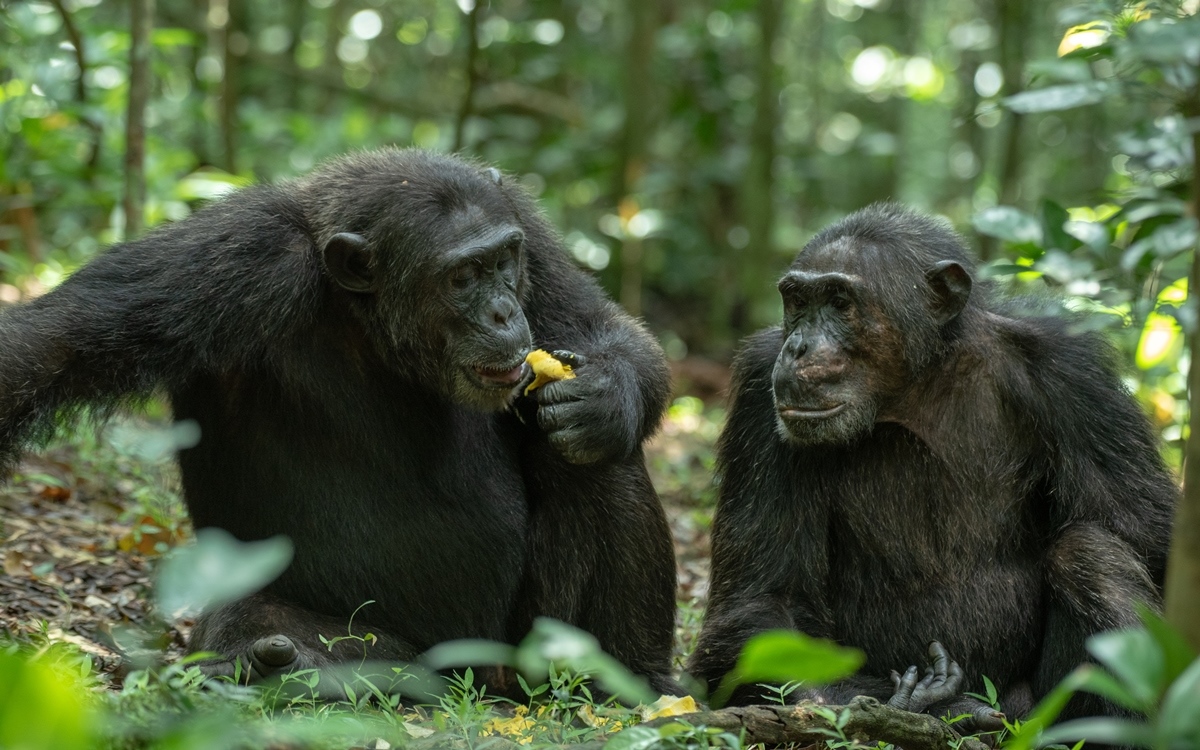
While world-renowned chimpanzee trekking draws thousands of visitors to Kibale National Park, home to over 1,500 chimpanzees and 12 other primate species, the surrounding landscape offers endless exploration:
- Bigodi Wetland Sanctuary: Located right on the doorstep, this community-managed eco-tourism initiative offers incredible birdwatching, guided nature walks, and rich cultural encounters.
- Crater Lake Hiking & Exploration: Discover the stunning explosion craters scattered across the region.
- Forest & Night Walks: Experience the nocturnal sounds and sights of the rainforest canopy.


Getting There
- Location: Kingo, Bigodi, Kamwenge (bordering Kibale National Park)
- Proximity: Minutes away from the Kanyanchu Visitor Centre and approximately 35 kilometres from Fort Portal City.
- Travel Time: An estimated 5 to 6-hour drive from Kampala, taking you through Uganda’s picturesque western countryside.
Reach out to us at Responsible Tourism Company on +256 704 023 485 to plan your journey to Rock Lodge Kibale.
What to Pack for a Kibale National Park Safari
Preparing for an East African safari requires a balance of practical utility, comfort, and respect for the natural environment.
Whether you are staying at Rock Lodge Kibale for chimpanzee trekking or embarking on a broader regional adventure, here is your comprehensive packing guide.
- Safari Clothing & Attire
Safari fashion is all about neutral tones and layering. Avoid dark blue or black (which attract tsetse flies) and bright neon colors.
- Long-Sleeved Shirts & T-Shirts: Lightweight, breathable fabrics (linen or moisture-wicking synthetics) in neutral colors like khaki, olive, beige, or brown. Long sleeves protect against sun, brush scratches, and forest insects.
- Trousers / Convertible Pants: Durable, lightweight pants are essential for forest walks and trekking. Avoid tight jeans, especially for active hikes.
- Light Fleece or Sweater: Early morning game drives and high-altitude or forest areas like Kibale National Park can be surprisingly chilly before the sun rises.
- Comfortable Shorts/Casual Wear: For relaxing around the lodge or during downtime.
- Rain Jacket / Poncho: Essential for tropical rainforest environments where sudden showers can occur at any time of year.

- Footwear
- Sturdy Hiking Boots / Trekking Shoes: Essential if you plan on doing chimpanzee trekking, forest walks, or nature hikes where trails can be muddy and uneven. Make sure they are well-broken-in before your trip!
- Casual Walking Shoes / Sandals: Comfortable footwear for relaxing around the lodge or traveling between destinations.
- Socks: Several pairs of breathable, moisture-wicking socks. Tuck your trousers into your socks during forest treks to deter safari ants).
- Sun & Insect Protection
- Wide-Brim Hat: To protect your face, neck, and ears from the equatorial sun.
- Sunglasses: Polarized sunglasses with UV protection.
- Sunscreen (High SPF): Essential for open-vehicle game drives and boat safaris.
- Insect Repellent: A reliable bug spray containing DEET or Picaridin for evening hours and forest trails.
- Gear & Accessories
- Daypack: A comfortable, lightweight backpack to carry your water, camera, rain jacket, and packed lunch during day trips and treks.
- Binoculars: A must-have for spotting distant wildlife, birds, and primates in the canopy.
- Camera & Telephoto Lens: Extra memory cards, spare batteries (battery life drains faster in cooler forest air), and a cleaning cloth for dust and moisture.
- Reusable Water Bottle: Staying hydrated in the field is key.
- Headlamp / Small Flashlight: Handy for navigating lodge grounds at night or early morning departures.
- Health & Documentation
- Travel Documents: Passport, yellow fever vaccination certificate, permits such as your chimpanzee tracking permits, travel insurance, and cash (USD printed after 2013 and local currency for tips/souvenirs).
- Personal First-Aid Kit: Antihistamines, motion sickness pills, blister plasters, pain relievers, and any prescription medications.
- Hand Sanitizer & Wet Wipes: Useful for quick clean-ups in the field.

What Wildlife is in Kibale National Park
The following is information about the wildlife in Kibale National Park located in Western Uganda;
- Primates (The Primate Capital of the World)
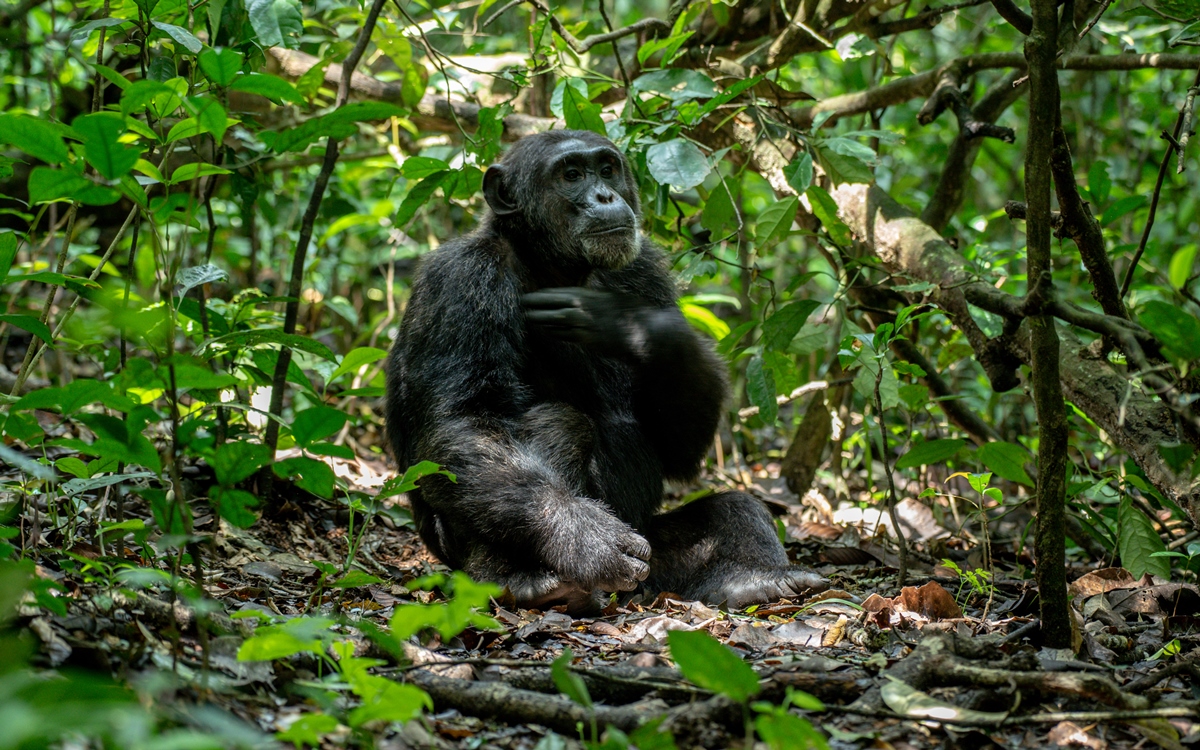
Kibale National Park is home to an extraordinary 13 primate species, one of the highest concentrations and diversities of primates anywhere in the world:
- Chimpanzees: Over 1,500 chimpanzees live within the forest, making it the premier destination for Chimpanzee Trekking and habituation experiences.
- Other Primates: L’Hoest’s monkeys, red colobus monkeys, black-and-white colobus monkeys, blue monkeys, grey-cheeked mangabeys, olive baboons, ptolemies, red-tailed monkeys, and nocturnal species like pottos and bushbabies.
- Mammals
While Kibale National Park is primarily a forest ecosystem rather than an open savanna, it supports around 70 mammal species, though many are elusive and adapted to dense forest living:
- Forest Elephants: Smaller and hairier than their savanna cousins, forest elephants occasionally move through the park’s dense vegetation.
- Antelopes & Duikers: Includes bushbucks, red and blue duikers, and sitatungas, particularly around wetland edges like Bigodi Wetland Sanctuary.
- Predators: Leopards, golden cats, and servals inhabit the park, though sightings are rare due to the thick forest cover.
- Other Mammals: Bushpigs, warthogs, and various species of bats and rodents.
- Birdlife (Avifauna)
With over 350 bird species, Kibale National Park is a paradise for birdwatchers:
- Notable species include the Green-breasted Pitta, African pitta, yellow-spotted barbet, dusky-blue flycatcher, and various hornbills, turacos, and sunbirds.
- The adjacent Bigodi Wetland Sanctuary is particularly famous for spotting wetland and forest edge species, including the iconic Great Blue Turaco.
- Flora & Butterflies
- Forest Ecosystem: Covers about 795 square kilometres of lush tropical rainforest interspersed with patches of grassland and swamp. Giant hardwoods tower up to 55 meters above the forest floor.
- Insects & Amphibians: Kibale National Park hosts a dazzling variety of wildlife at a micro-level, including over 250 butterfly species and numerous reptile and amphibian species.
Best Time to Visit Kibale National Park
The best time to visit Kibale National Park for chimpanzee trekking, primate viewing, and forest exploration is during the dry seasons: December to February and June to September.
During these periods, the forest trails are drier and significantly less slippery, making hiking through the dense tropical rainforest much more manageable and rewarding.

Season Breakdown
Long Dry Season (June to September):
Pros: Lowest rainfall, drier walking conditions, excellent visibility for photography and primate viewing, and aligns with peak international travel holidays.
Cons: High demand for chimpanzee trekking permits, meaning you need to book well in advance.
Short Dry Season (December to February):
Pros: Warm weather, pleasant trekking conditions, and great birdwatching as migratory species are present.
Cons: Can experience occasional brief tropical showers, but trails remain generally accessible.
Wet / Rainy Seasons (March to May & October to November):
Pros: Lush, vibrant scenery, fewer crowds at the Kanyanchu Visitor Centre, and easier availability for last-minute permits and accommodation at Rock Lodge Kibale.
Cons: Heavy rainfall makes forest trails muddy, slippery, and physically demanding.
Where to Stay near Kibale National Park
Kanyanchu / Park Headquarters Area:
Best for travelers who want to be the absolute first in line for morning chimpanzee treks or chimpanzee habituation experiences.
Bigodi Wetland Sanctuary Area:
Located just south of the park, staying here places you right next to community-led swamp walks, birdwatching trails, and cultural village tours, all while remaining a short drive from Kanyanchu.

Fort Portal City (35 km away):
Some travelers prefer staying in Fort Portal for a wider selection of urban hotels, banks, and restaurants, commuting to Kibale for day activities. However, staying closer to the Kibale National Park gates in Bigodi saves you a 45-to-60-minute early morning drive.
Ready to Plan Your Stay?
Whether you are looking for a short overnight stop before your trek or a peaceful multi-day nature escape, Responsible Tourism Company can help you design a custom itinerary combining your stay at Rock Lodge Kibale with primate trekking permits and regional transport.
Frequently Asked Questions (FAQs)
- Where is Rock Lodge Kibale located?
Rock Lodge Kibale is situated in Kingo, Bigodi, in the Kamwenge district, directly bordering Kibale National Park and just minutes away from the Kanyanchu Visitor Centre.
- How many rooms are available at Rock Lodge Kibale?
The lodge features 20 diverse cabins and cottages, including single, double, twin, and triple configurations, plus a signature elevated Tree House.
- How close is Rock Lodge Kibale to chimpanzee trekking starting points?
Rock Lodge Kibale is located just minutes away from the Kanyanchu Visitor Centre, making early morning trek check-ins convenient and stress-free.
- Is Rock Lodge Kibale suitable for families?
Yes. The property offers flexible family accommodations as well as a spacious Tree House equipped with a private kitchen for added family independence.
Ready to experience the magic of Kibale Forest?
Let Responsible Tourism Company help you design a sustainable, perfectly tailored Ugandan safari itinerary featuring a stay at Rock Lodge Kibale.
Call/WhatsApp: +256 704 023 485