
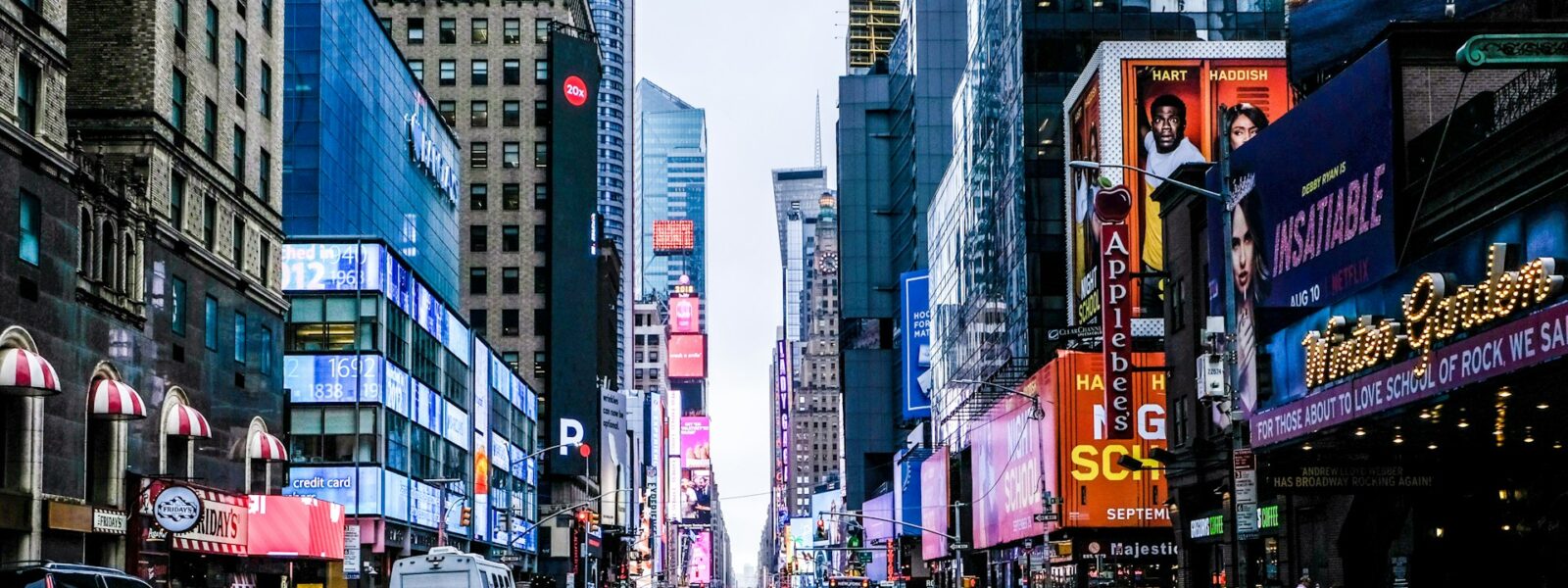
New York rewards timing. I’ve been through early spring chills, summer heat waves that turn subway platforms into saunas, perfect October afternoons in Central Park, and those December nights when Fifth Avenue feels like a movie set. If the goal is comfortable weather and a classic NYC feel without constant crowds, spring and fall consistently deliver. If the goal is high energy no matter the heat, summer is exactly that. And if holidays and budget matter most, winter has its own magic and value window.
The Short Answer
-
Spring (April–June): Mild, green, great walking weather, manageable crowds.
-
Fall (September–November): Crisp air, foliage, cultural season in full swing, beautiful light.
-
Summer (late May–early September): High energy, festivals, long days, but hot and busy.
-
Winter (December–March): Iconic holiday season, then quieter and cheaper in Jan–Feb with real cold.
What Spring Feels Like (April–June)
This is when the city shakes off winter and the parks start pulling everyone outside. I love May for long walks through Central Park and the Brooklyn waterfront with a light jacket and no rush to find AC. Average highs climb into the 60s and 70s°F by late spring, and rain is manageable enough to keep plans flexible. It’s easy to stack a full day of neighborhoods without baking in the heat. Crowds are moderate and prices sit below summer and December peaks, which makes it easier to pick good places without booking weeks in advance.
Best for: first-time visits, photography days in the parks, citywide exploring without weather drama.
Why Fall Is Many Locals’ Favorite (September–November)
If there’s a “just right” feeling, it lands in late September through October: clear air, punchy colors in the parks, and a big restart for the city’s cultural calendar after Labor Day. I’ve had some of my best New York days in October brisk mornings, sun-warmed afternoons, and cozy evenings. Expect highs in the 60s–70s°F early fall, easing into the 50s–60s°F later on, with October often the driest month and a treat for walking-heavy days. Hotel rates can be steep, but the comfort and atmosphere more than justify it if the budget allows.
Best for: scenic park time, museums and shows, neighborhood wandering without heat or heavy coats.
Summer’s Buzz vs Summer’s Heat (late May–early September)
Summer is a roller coaster in the best way: endless free events, outdoor movies, concerts, street fairs, rooftop evenings. New York genuinely feels bigger in June, July, and August. The tradeoff is humidity and heat that regularly hit the 80s and can feel hotter in the concrete canyons; average highs peak in July around mid-80s°F, and subway platforms can run warmer still. It’s also peak travel season, which pushes prices and lines up at major attractions, and December shares that “peak” status for a very different reason.
Best for: travelers who want maximum energy and don’t mind planning AC breaks, early starts, and late evenings.
Winter: Holidays, Then Quiet Value
December is a tradition for many: window displays, ice rinks, Rockefeller Center, and lights everywhere are crowded but undeniably special. After New Year’s, the city exhale is real: January and February bring the coldest temps (highs around 39–41°F on average, often below freezing overnight) along with the lightest crowds and the lowest hotel rates of the year. If the budget is tight and cold isn’t a dealbreaker, winter delivers calm museums, easy dinner reservations, and a different pace that locals secretly enjoy between snowfalls.
Best for: holiday nostalgia in December, then budget-friendly city time in Jan–Feb with proper winter layers.
Crowds and Costs: What Actually Changes
-
Peak: Summer and December bring the heaviest crowds and the highest prices for flights and hotels, so book early if those are your windows.
-
Shoulder: April–June and September, early November balance weather and crowd levels nicely, and deals still exist with a bit of flexibility.
-
Low: January–March is the budget season, best for indoor days, bundled walks, and spontaneous plans without lines.
Weather by the Numbers (Helpful for Packing)
-
Warmest month: July, average highs around 85°F/29°C, humid; June and August sit close behind.
-
Coldest month: January, average highs around 39°F/4°C, frequent below-freezing nights, occasional snow.
-
Sweet spots: April–June and September–October sit in the comfortable middle for most travelers.
What I’d Choose Depending on the Trip
-
First visit and long walking days: late April to late May or late September to mid-October for comfort, park time, and fewer weather extremes.
-
High-energy, outdoor events and nightlife: June or early September for summer buzz with slightly friendlier temps than peak July–August
-
Holiday magic: early to mid-December for lights and markets, avoiding the very peak between Christmas and New Year’s if flexibility exists
-
Best value: late January or February for quiet museums, easy bookings, and the cheapest stays if cold is manageable.
If the calendar is open, spring and fall are the most forgiving, photogenic, and easy to love—especially May and October. If the plan is to lean into the city’s summer rhythm, embrace early starts, shady routes, and late nights to dodge the heat. And if the dream is twinkling windows and rink-side cocoa, December is as cinematic as promised, with January–February the smart play for saving money without sacrificing that New York feeling.