
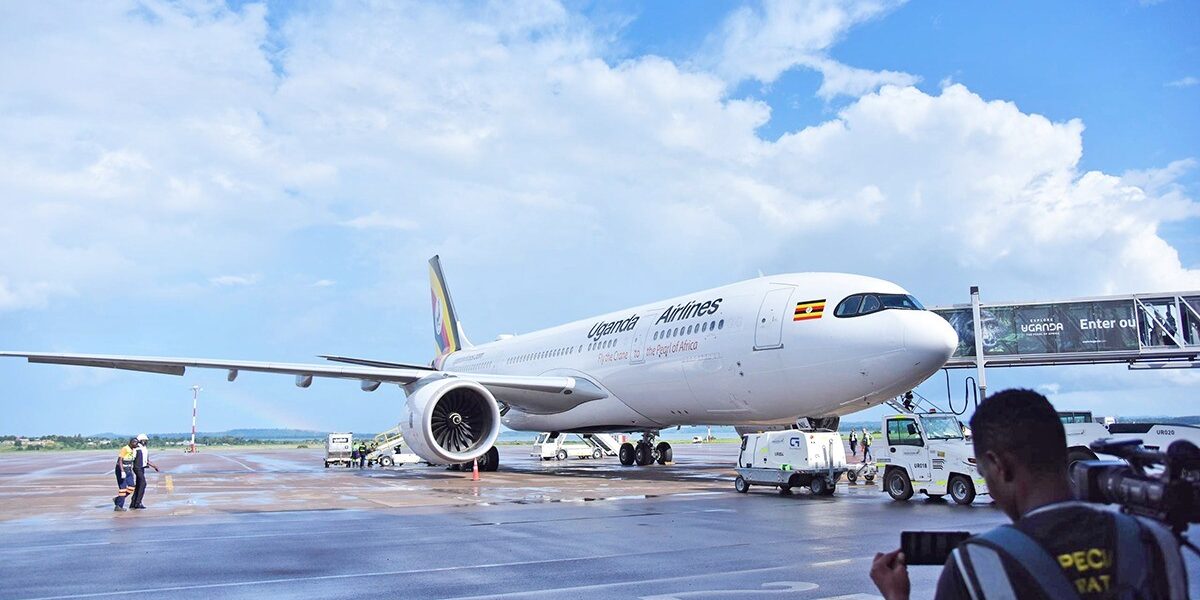
Entebbe International Airport recorded 169,706 passengers in August 2026, providing another important indicator of activity within Uganda’s aviation and tourism sectors.
The passenger figure comes as Uganda continues to strengthen its position as an East African destination for wildlife safaris, gorilla trekking, cultural tourism, business travel, conferences and leisure holidays.
As the country’s principal international gateway, Entebbe International Airport plays an important role in connecting Uganda with major markets across Africa and beyond.

Changes in passenger volumes can therefore provide useful insight into travel demand and the operating environment for hotels, tour operators, transport companies, restaurants and other tourism businesses.
Entebbe Airport Remains Uganda’s Main International Gateway
Located approximately 40 kilometres from Kampala, Entebbe International Airport is the main entry point for most international visitors travelling to Uganda.
International travellers arriving through the airport have access to some of the country’s leading tourism destinations, including Bwindi Impenetrable National Park, Kibale National Park, Queen Elizabeth National Park, Murchison Falls National Park, Kidepo Valley National Park, Lake Mburo National Park and the Ssese Islands.
For many visitors, the journey from Entebbe International Airport marks the beginning of a Uganda travel experience that can combine wildlife, primates, landscapes, culture and community-based tourism.
The 169,706 passengers recorded in August 2026 therefore represent more than an aviation statistic.
Passenger activity supports a wider tourism ecosystem involving accommodation providers, safari operators, guides, drivers, attractions, restaurants and local businesses.
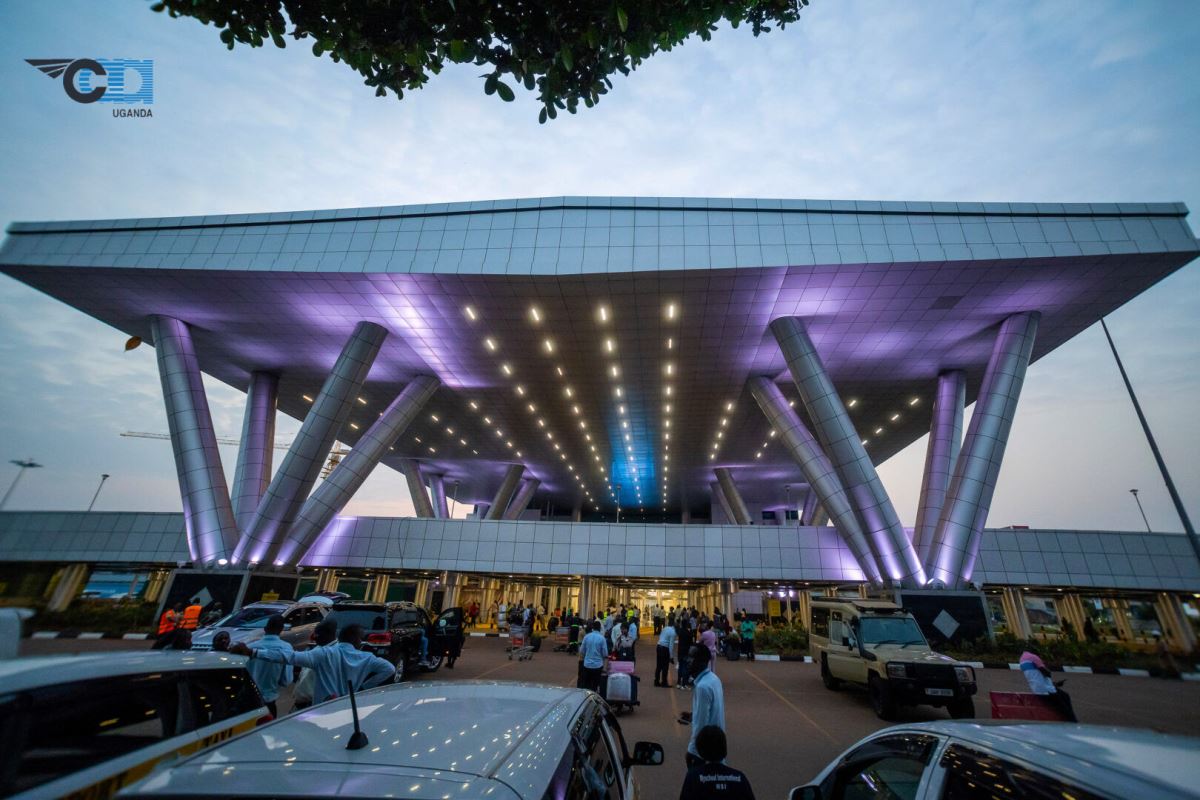
What the August Passenger Figure Means for Uganda Tourism
Strong passenger activity at Entebbe International Airport can create opportunities across Uganda’s hospitality and tourism value chain.
International visitors arriving for holidays may travel onward to national parks and cultural destinations within Uganda, while regional travellers may visit Uganda for business, family trips, conferences, events and leisure.
The tourism sector benefits from this movement through expenditure on:
- Hotels and lodges
- Safari and tour services
- Airport transfers
- Domestic flights
- Restaurants and food services
- Tourist attractions
- Cultural experiences
- Local guides
- Craft and souvenir businesses
- Car hire and transportation
- Community tourism initiatives
The August figure consequently provides a useful reference point for understanding continued travel activity through Uganda’s main international gateway.
Growing Connectivity Supports Uganda’s Tourism Ambitions
Air connectivity is an important component of international tourism development.
For travellers considering Uganda, convenient connections can influence destination accessibility, particularly for visitors combining Uganda with other East African countries.
Entebbe’s connectivity enables travellers to reach Uganda from regional and international markets and, in many cases, combine a Ugandan safari with destinations in neighbouring Kenya, Tanzania or Rwanda.
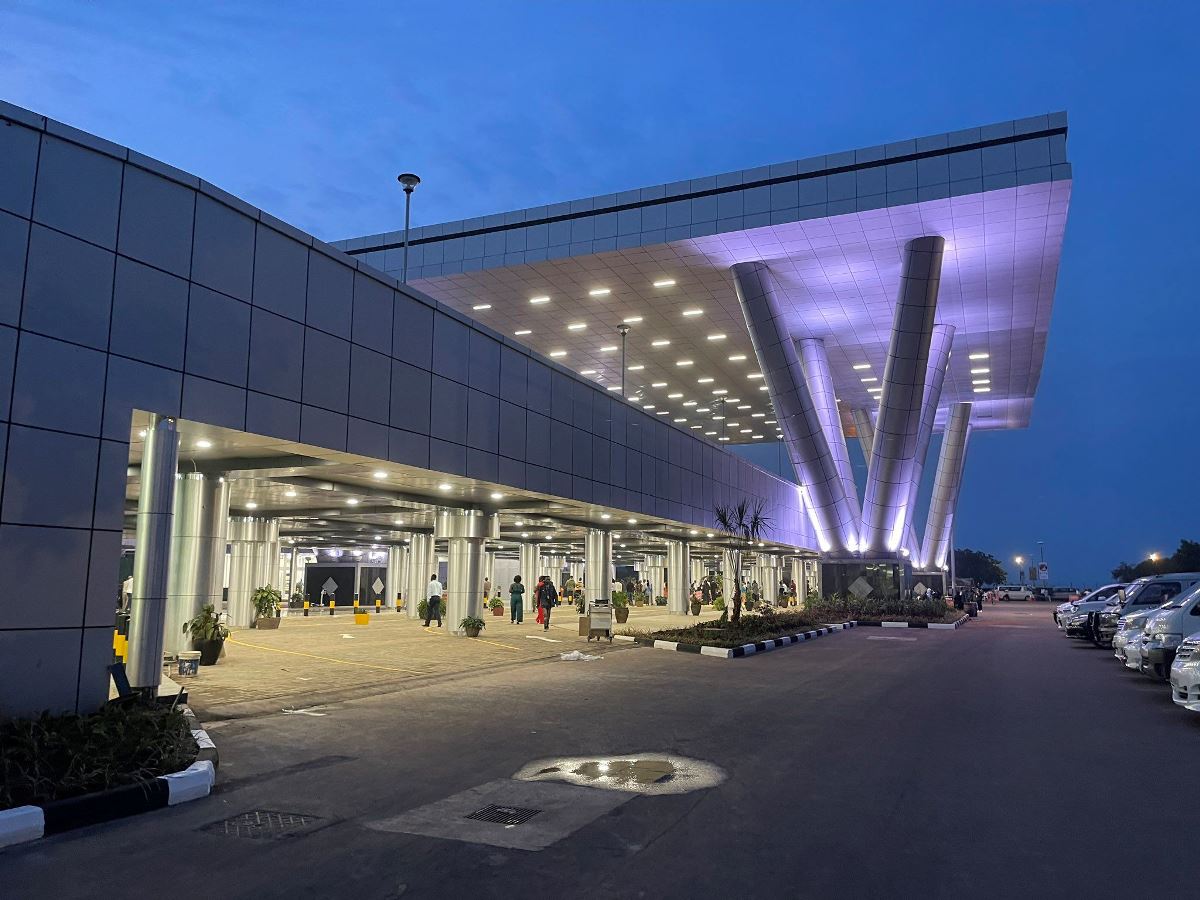
The continued movement of passengers through Entebbe International Airport also creates an operating environment in which tourism businesses can develop products aimed at different visitor segments, from luxury safari travellers and honeymooners to budget travellers, birdwatchers, adventure enthusiasts and cultural tourists.
From Entebbe to Uganda’s National Parks
One of the major advantages of arriving through Entebbe is the airport’s access to a diverse tourism circuit.
Travellers can begin their trip with experiences around Entebbe and Lake Victoria before continuing to destinations further inland.
A Uganda itinerary can include:
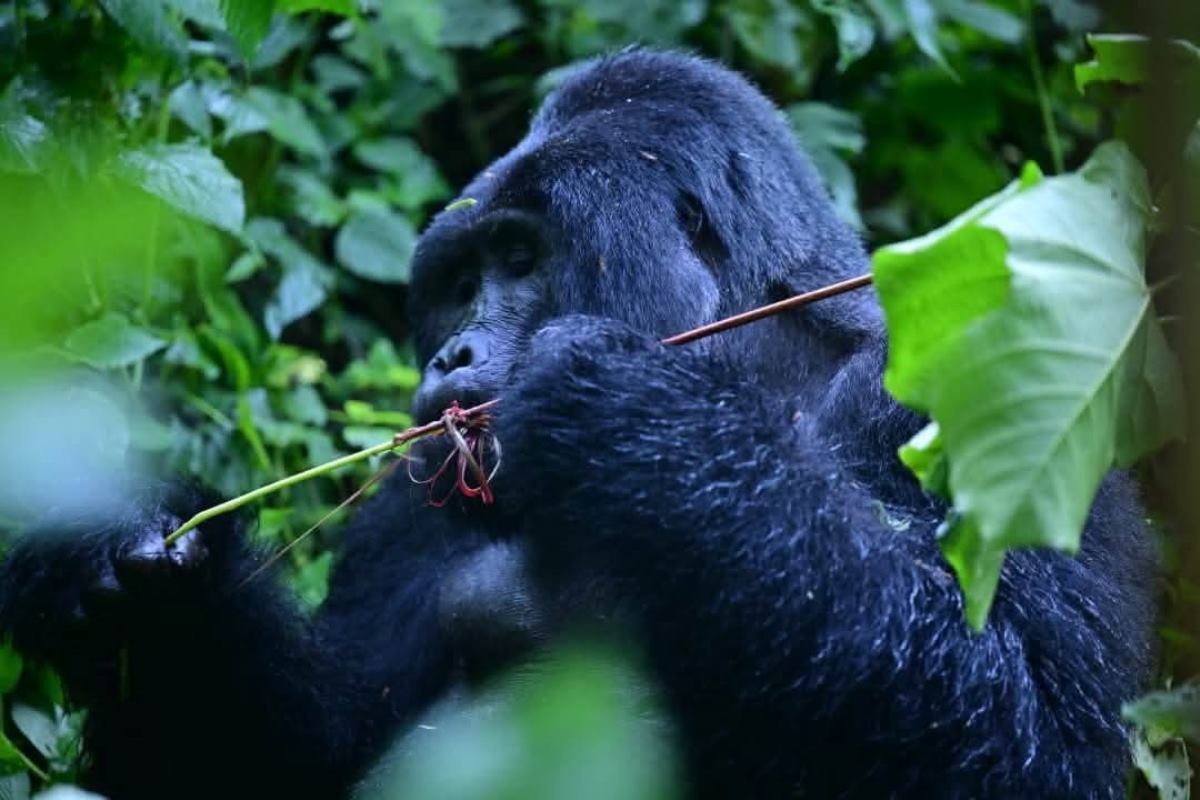
Gorilla Trekking
Bwindi Impenetrable National Park and Mgahinga Gorilla National Park provide opportunities for travellers to experience mountain gorilla trekking in southwestern Uganda.
Gorilla tourism also contributes to conservation and creates employment opportunities for guides, trackers, porters, accommodation providers and other tourism workers.
Chimpanzee Tracking
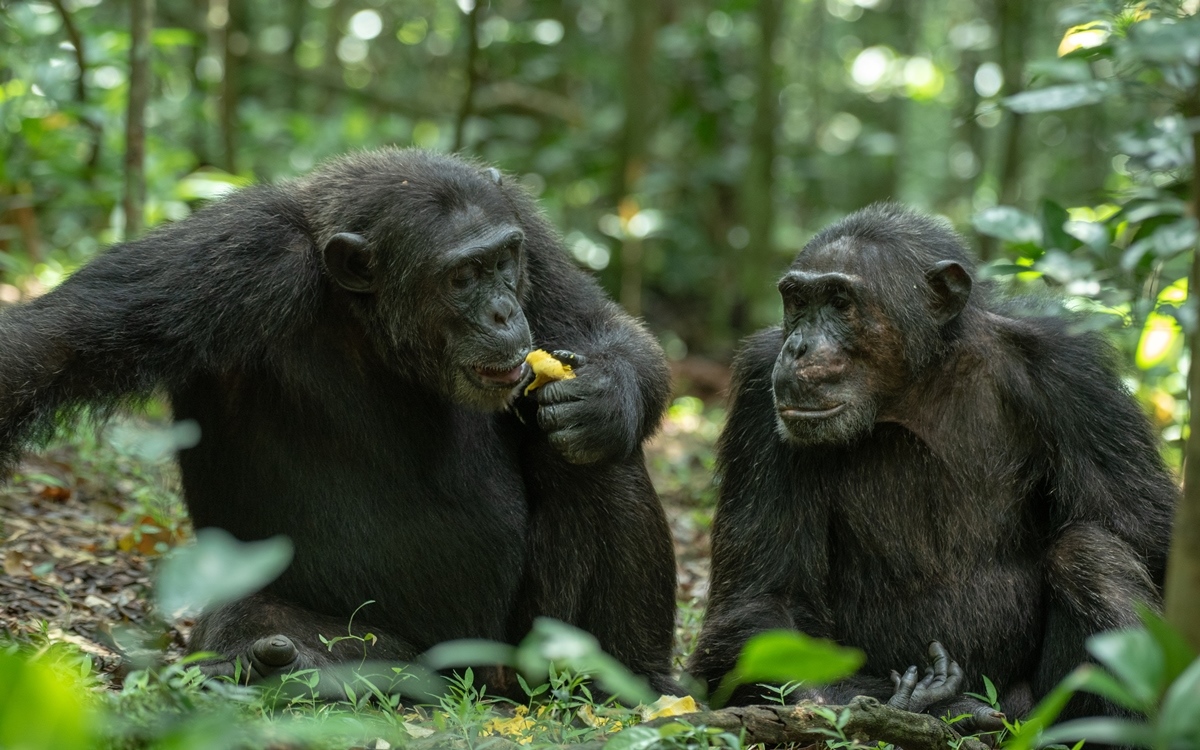
Kibale National Park is one of Uganda’s major destinations for chimpanzee tracking and primate tourism.
Visitors can combine chimpanzee experiences with forest walks, birdwatching and community experiences in the surrounding area.

Wildlife Safaris
Uganda’s national parks offer opportunities to see elephants, lions, buffaloes, hippos, giraffes and numerous antelope species.
Destinations such as Queen Elizabeth National Park, Murchison Falls National Park and Kidepo Valley National Park form important components of Uganda’s wildlife tourism offering.
Birdwatching
Uganda’s varied ecosystems have made the country an important destination for birdwatchers.
From wetlands around Lake Victoria to forests, savannahs and Albertine Rift landscapes, visitors can incorporate birdwatching into both specialist trips and conventional safari itineraries.
Cultural and Community Tourism
Tourism in Uganda extends beyond national parks.
Visitors can explore local food, crafts, traditional performances, farming experiences, storytelling and community-led tourism initiatives.
These experiences can help distribute tourism expenditure beyond major safari lodges and protected areas.
Why Passenger Growth Matters to the Hospitality Industry
The Ugandan hospitality sector is closely connected to international visitor movements.
More travellers passing through Entebbe International Airport can generate demand for accommodation before and after safaris, particularly among visitors arriving late or departing early.
This creates opportunities for hotels and guesthouses in Entebbe and Kampala Cities, while safari lodges and hotels in other parts of the country benefit when visitors continue their journeys to national parks and tourism destinations.
Airport passenger activity can also support conference and business tourism, which is an important component of Uganda’s broader visitor economy.
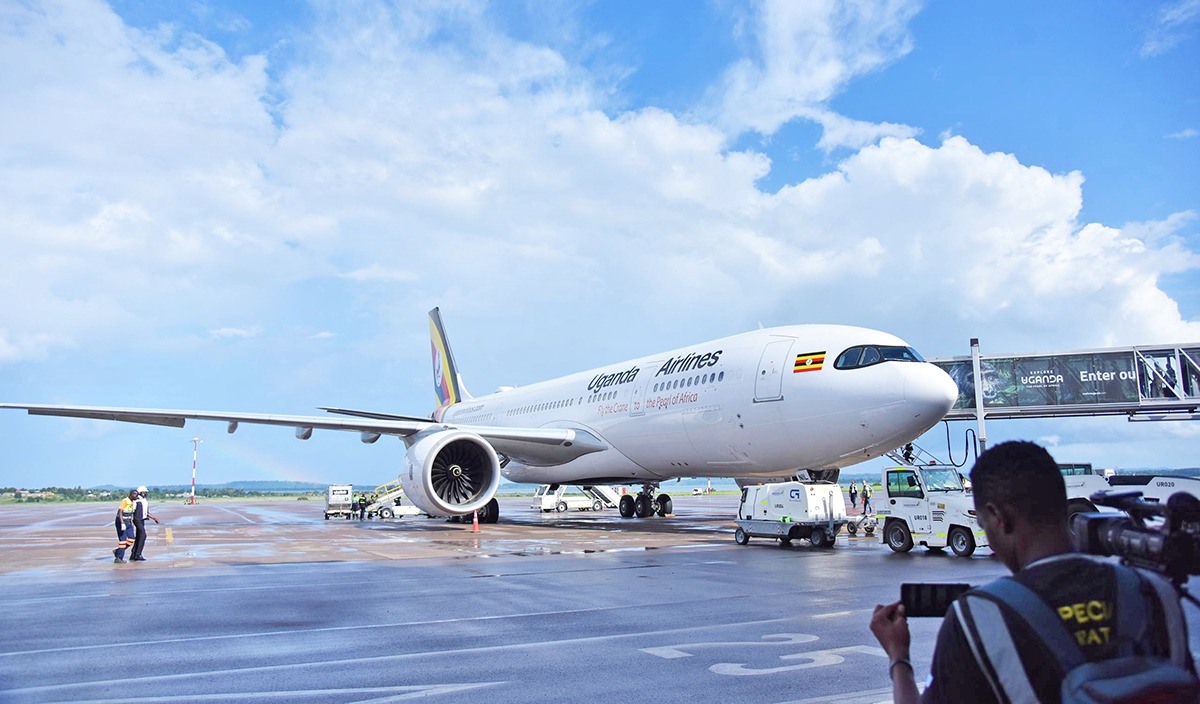
For hospitality businesses, the passenger figure reinforces the importance of providing reliable airport transfers, comfortable accommodation, efficient booking services and quality visitor experiences.
Sustainable Tourism Opportunities
As Uganda’s tourism activity develops, increased visitor movement also brings an opportunity to strengthen responsible and sustainable tourism practices.
Tourism growth can generate employment and business opportunities for local communities when tourism spending reaches local suppliers and service providers.
Responsible tourism practices can include:
- Employing local guides and tourism workers
- Supporting locally owned accommodation and businesses
- Purchasing locally produced crafts and food
- Respecting wildlife and protected-area regulations
- Minimising waste during tours
- Conserving water and energy
- Respecting local cultures and communities
- Supporting conservation initiatives
- Choosing tourism experiences that benefit destination communities
For tour operators, sustainability can be incorporated into itinerary design, transportation, accommodation selection and community engagement.
Entebbe as the Starting Point for a Uganda Adventure
For many international visitors, Entebbe is their first introduction to Uganda.
Entebbe town offers travellers an opportunity to slow down after a long international flight before beginning a longer safari journey.
Visitors can explore attractions around Entebbe City, including Lake Victoria, Entebbe Botanical Gardens, wildlife experiences and cultural sites, depending on their itinerary and available time.
This makes Entebbe City more than an airport stopover. The city can serve as a tourism destination in its own right and as an important gateway to Uganda’s wider tourism circuit.
What Comes Next for Uganda Tourism?
The 169,706 passengers recorded at Entebbe International Airport in August 2026 provide a useful snapshot of travel activity during the month.
A single month’s passenger figure should not, by itself, be treated as definitive proof of a long-term tourism recovery.
A fuller assessment requires comparison with previous months, previous years, international arrivals, hotel occupancy, tourism receipts, domestic travel and other tourism indicators.
Nevertheless, sustained passenger activity through Uganda’s main international gateway remains relevant to tourism businesses planning for future demand.
Continued investment in air connectivity, tourism infrastructure, conservation, hospitality standards, destination marketing and responsible tourism can help Uganda make the most of international visitor flows.
Discover Uganda with Responsible Tourism Company
The continued activity at Entebbe International Airport presents an opportunity for travellers to discover Uganda’s diverse tourism experiences, from the forests of the Albertine Rift to the savannah plains, crater lakes, cultural destinations and communities that make the country unique.
Responsible Tourism Company helps travellers plan Uganda tours and safaris that connect them with the country’s wildlife, nature, culture and communities.
You can also book the following tours in Entebbe with us at Responsible Tourism Company;
- Shoebill Birdwatching Tour in Mabamba Swamp, Uganda
- Entebbe City and Botanical Gardens Tour
- Entebbe City Tour Bike Adventure
- Entebbe Bike and City Tour
Whether you are planning a gorilla trekking safari, chimpanzee tracking experience, wildlife safari, birdwatching tour, cultural adventure, community tourism experience or tailor-made Uganda holiday, our team can help create an itinerary suited to your interests, travel dates and budget.
Start planning your Uganda adventure with Responsible Tourism Company and experience the Pearl of Africa responsibly.
Call/WhatsApp: +256 704 023 485