In an era when travelers seek authentic, sensory experiences, coffee has become far more than a morning ritual. Coffee is a cultural connector, an economic driver, and a powerful element of destination branding.
Nowhere is this clearer than in Uganda, Africa’s leading coffee exporter by volume, where coffee tourism is rapidly emerging as a high-value complement to gorilla trekking, wildlife safaris, and cultural immersion.
Uganda exported roughly 8.6 million 60-kilogram bags between mid-2025 and mid-2026, earning approximately USD 2.3 billion.
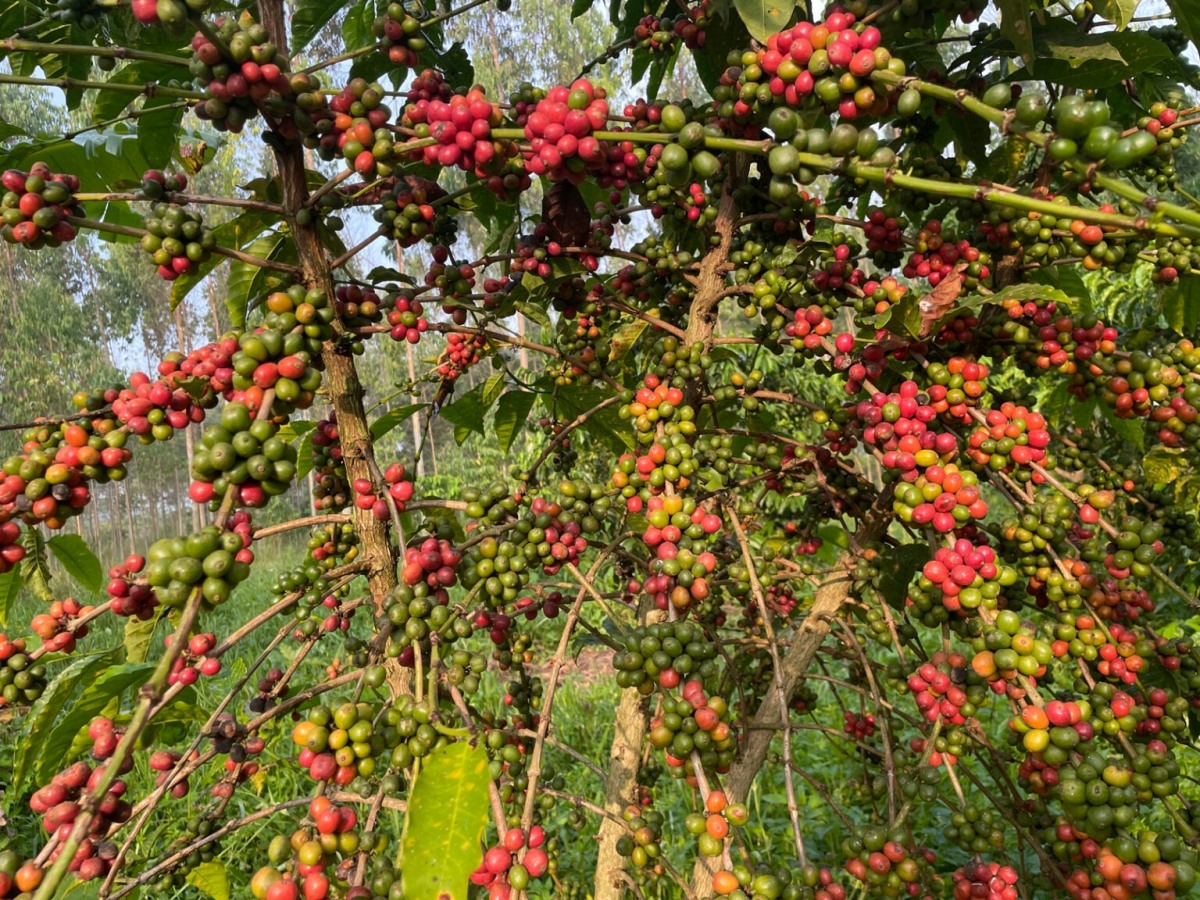
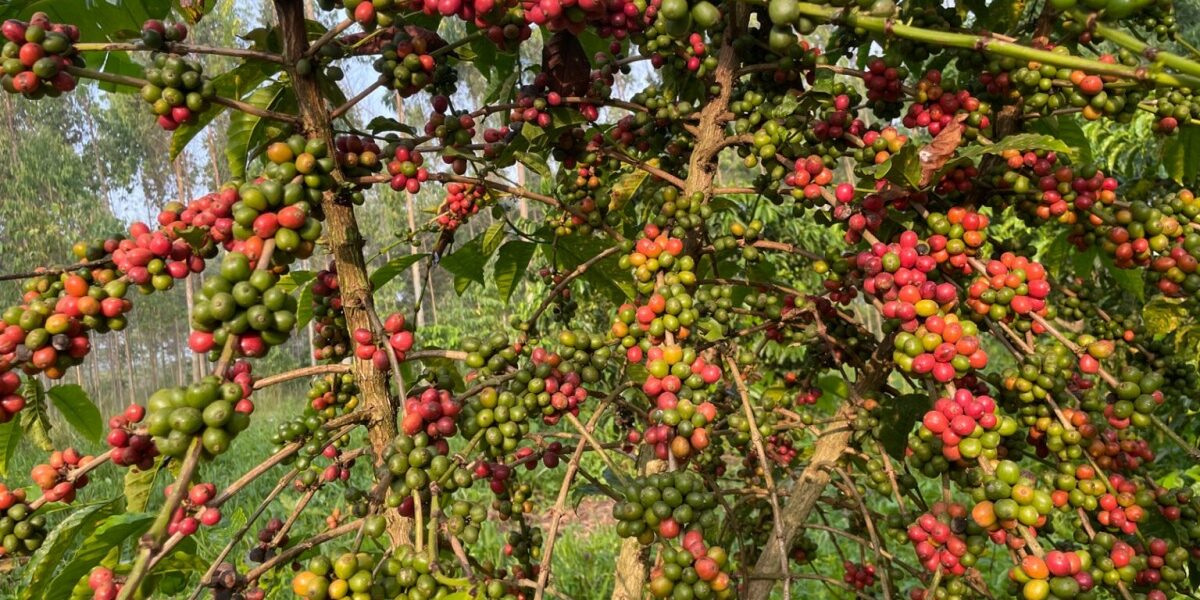
Behind those figures lie millions of smallholder farmers producing both Robusta and high-quality Arabica coffee on the slopes of Mount Elgon, the Rwenzoris, and other fertile regions in Uganda.
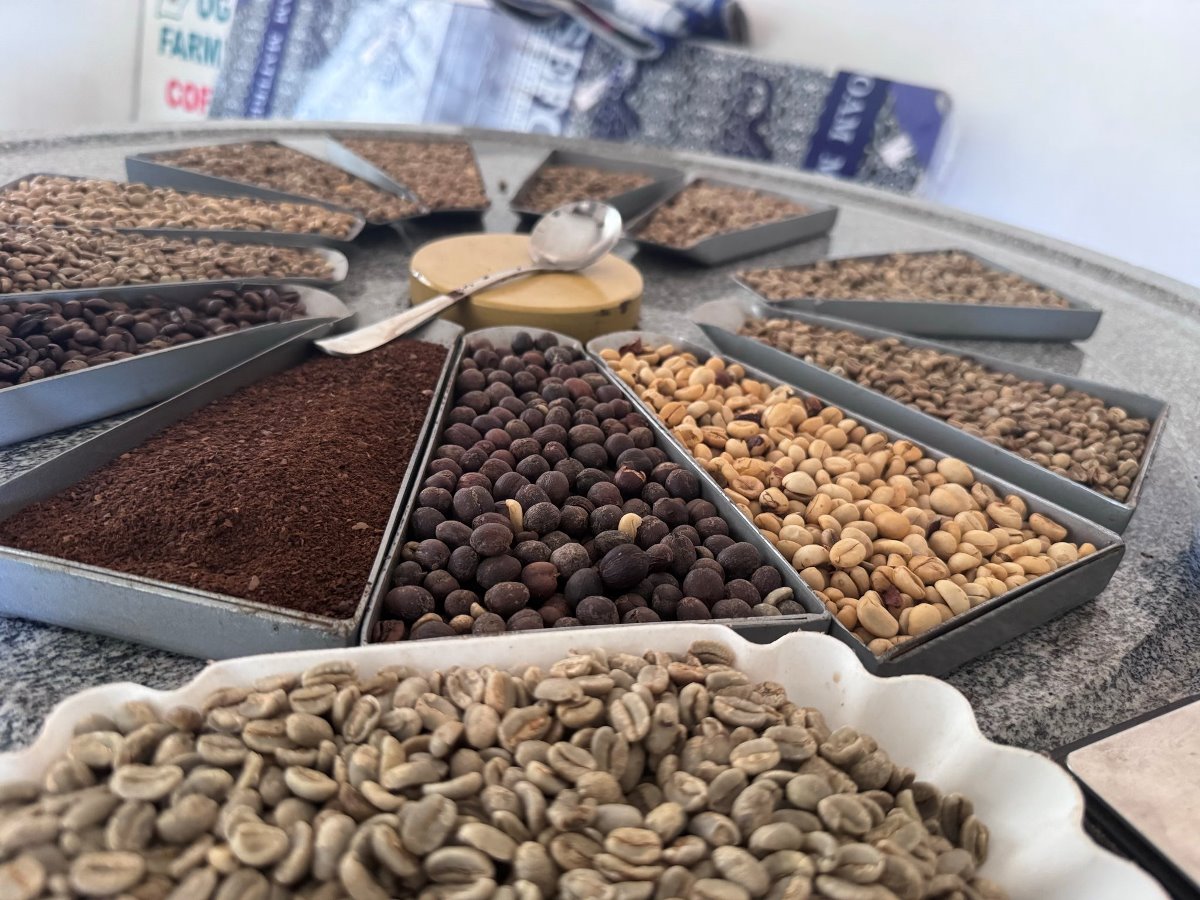
Coffee tourism; farm walks, cherry picking, traditional roasting, cupping sessions, and community stays, turns this agricultural strength into memorable visitor experiences that keep more value in local communities yet a gap remains.
Many hotels and airports in some tourist destinations still serve mediocre coffee, undermining the very product that defines the destination.
Improving coffee quality in these gateway spaces is no longer optional, it is essential for consistent guest satisfaction, brand reputation, and responsible tourism growth.
Why Coffee Quality Matters in Hospitality and Travel
Coffee is often the first taste of a destination and the last impression before departure.
A weak or stale cup at a hotel breakfast or airport lounge can color an entire trip, while an excellent one reinforces authenticity and care.
Studies and traveler feedback consistently show that guests notice coffee quality. Many rate hotel coffee as average or poor, and a significant share will leave the property in search of better options, taking potential revenue with them.
In airports, coffee shapes perceptions of the gateway itself. Passengers associate strong food-and-beverage offerings with overall airport quality.
Locally sourced, well-prepared coffee signals that the destination values its heritage and supports its producers.
In Uganda, this means featuring Bugisu Arabica Coffee from Mount Elgon or other regional specialties rather than generic international blends.
For hotels, especially those catering to international visitors on safari or cultural itineraries, specialty or single-origin coffee elevates the guest experience from functional to memorable.
This creates opportunities for storytelling: “This cup comes from the same slopes you’ll visit near Sipi Falls.” It also drives ancillary revenue through lobby sales, in-room upgrades, and retail bags of local beans.
The Uganda Opportunity: From Export Giant to Coffee Destination

Uganda is uniquely positioned. The country grows both Robusta (native and dominant by volume) and fine Arabica Coffee in highland volcanic soils. Iconic experiences already exist:
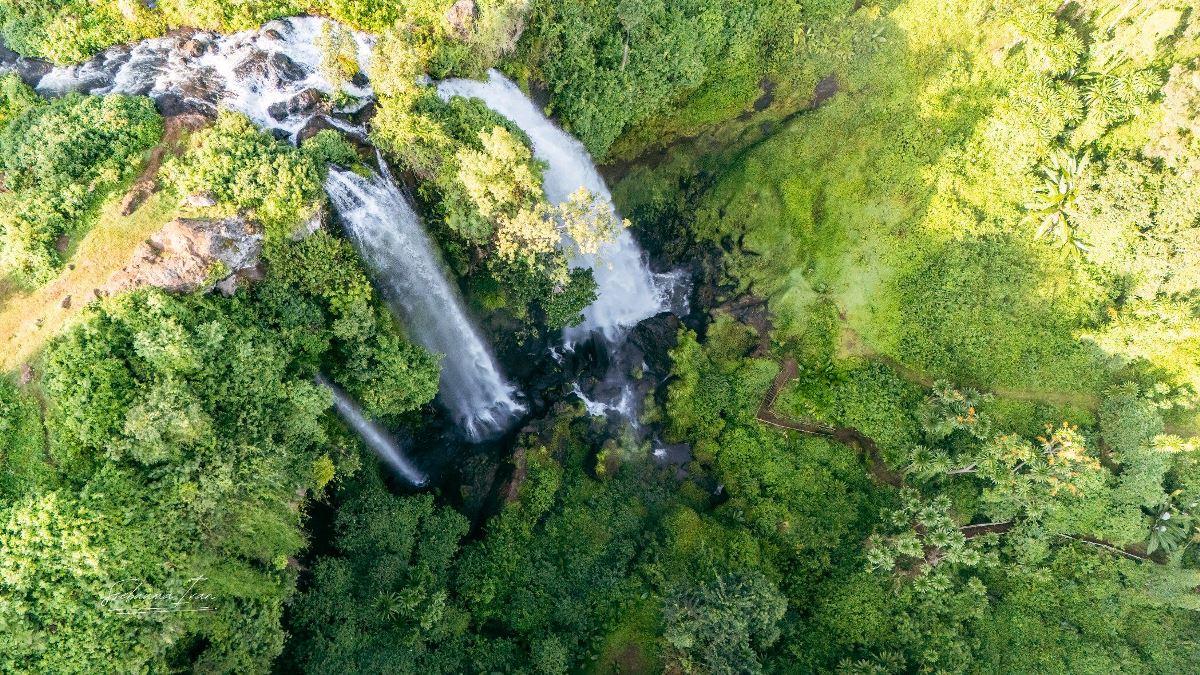
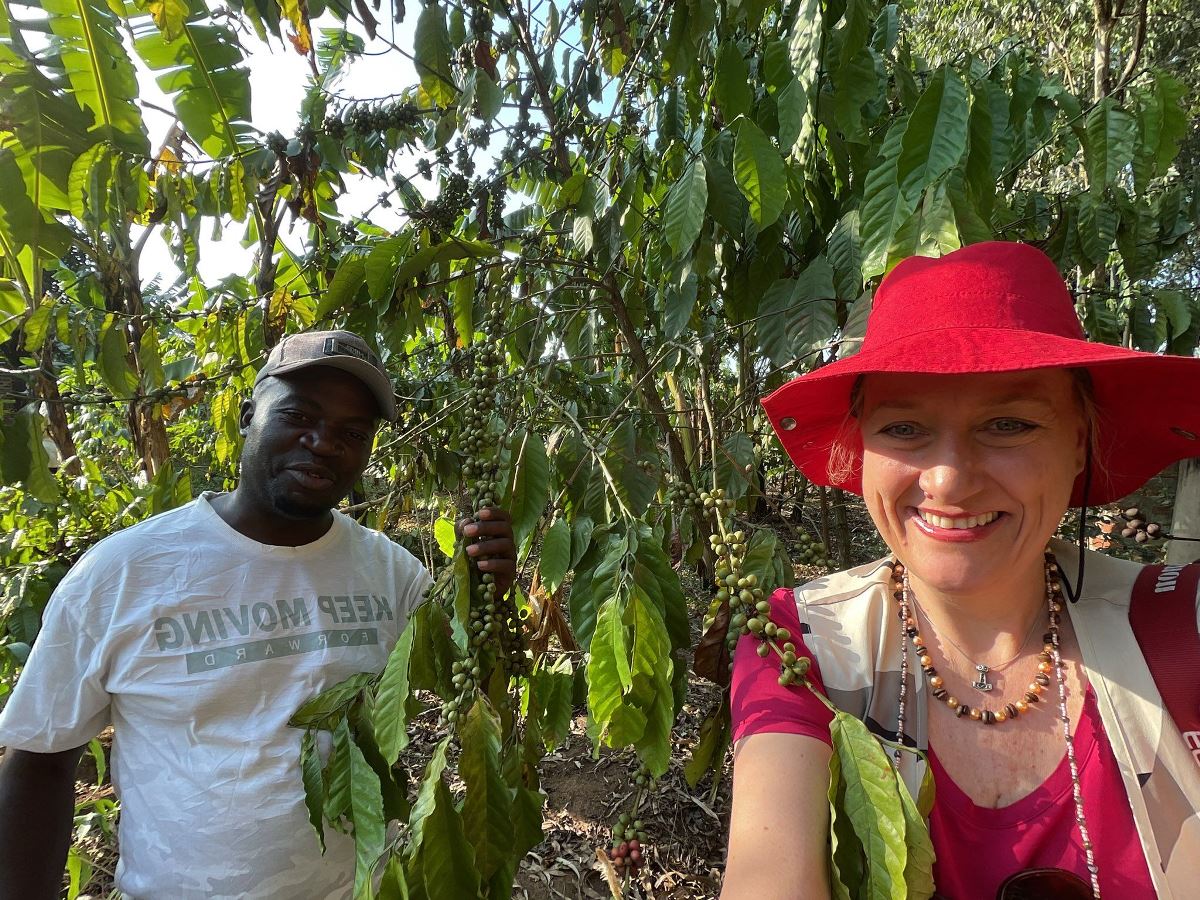
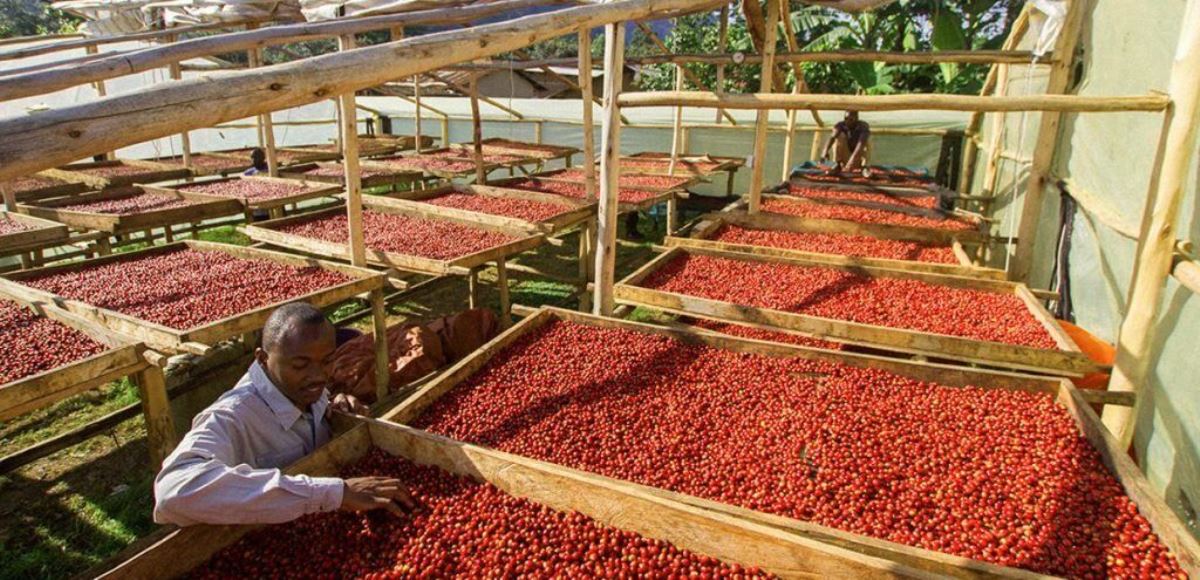
- At Sipi Falls on Mount Elgon, visitors join smallholder farmers for hands-on tours; picking ripe cherries, pulping, drying on raised beds, roasting over open fire in clay pans, grinding by hand, and tasting the result while gazing at waterfalls and volcanic landscapes. These community-led experiences often include a modest fee that supports local associations.
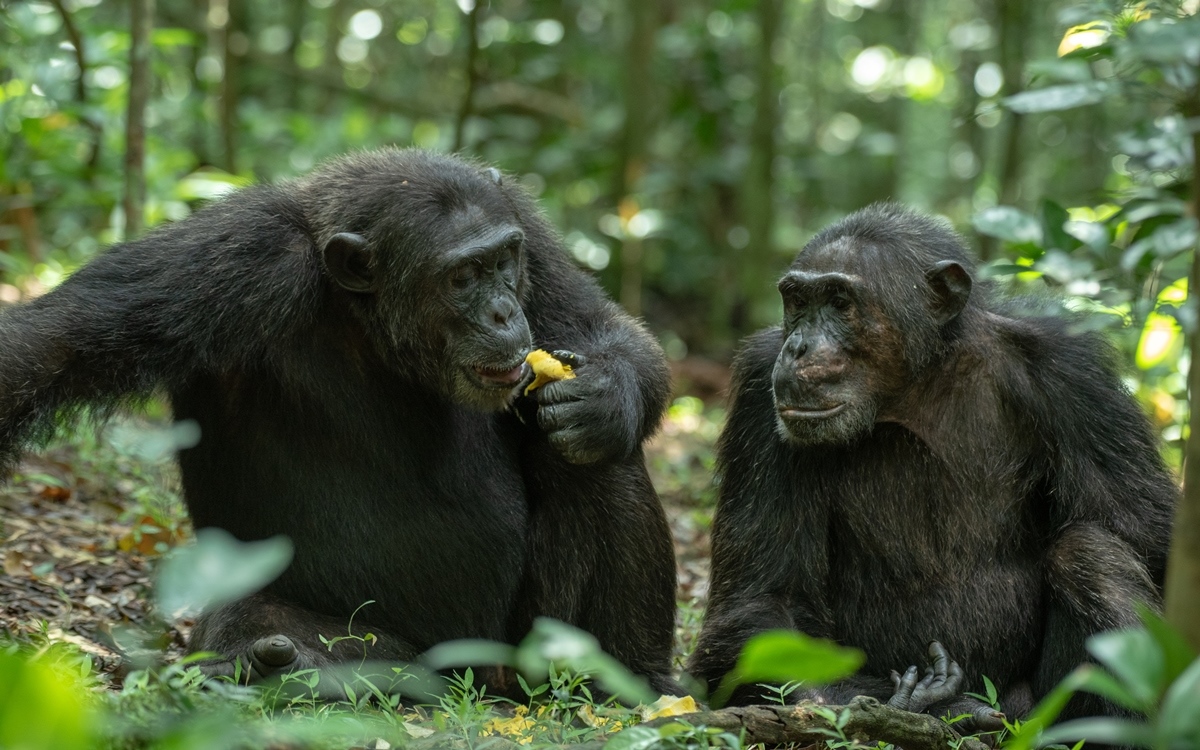
- Similar farm-to-cup activities thrive in the Rwenzori foothills near Fort Portal City and other highland areas, easily combined with chimpanzee tracking in Kibale National Park or gorilla trekking in Bwindi Impenetrable National Park.
- Larger initiatives, such as integrated coffee parks and resorts, aim to scale the offering with demonstration facilities, lodging, and education centers.
Coffee tourism extends stays, increases local spending, and provides farmers with diversified income beyond commodity prices.
When hotels and airports source and showcase these same beans properly, they close the loop: visitors taste Uganda’s best at the beginning and end of their journey, then seek the authentic farm experiences in between.
Practical Steps for Hotels and Airports to Improve Coffee Speciality
Hotels and airports do not need to become specialty cafés overnight, but they can make meaningful improvements:
- Partner with local roasters and cooperatives for fresh, traceable Ugandan coffee.
- Invest in reliable equipment and basic staff training for consistent espresso, filter, and milk-based drinks.
- Offer transparency, origin information, tasting notes, and links to farm tours.
- Provide genuine choice: quality filter coffee alongside espresso options, with plant-based milks where possible.
- In airports, prioritize local identity over pure concession revenue so the first and last cups reflect the destination.
- In hotels, treat coffee with the same seriousness as breakfast variety or room amenities.
These steps support responsible tourism by channeling more value to producers, reducing reliance on imported generics, and enhancing the overall visitor narrative.
Responsible Tourism and the Bigger Picture
At Responsible Tourism Company, we design experiences that benefit communities and conserve Uganda’s natural and cultural heritage.
Coffee tourism aligns perfectly with this approach. Farm visits empower smallholders, preserve traditional knowledge, and give travelers a deeper connection to the land and people.
When hotels and airports raise their coffee standards, they amplify these benefits and present a more coherent, high-quality image of Uganda as a destination.
Travelers increasingly choose experiences that feel authentic and purposeful. A great cup of Ugandan coffee, whether savored at Entebbe International Airport, in a safari lodge, or on a mountainside farm, delivers exactly that.
Coffee Tourism Destinations in Uganda
Uganda’s standout coffee tourism destinations center on the country’s highland Arabica regions.
Mount Elgon’s Sipi Falls area offers intimate, farmer-led farm-to-cup experiences amid cascading waterfalls, where visitors pick cherries, process beans traditionally, and roast over open fires.
The Rwenzori foothills near Fort Portal City and the terraced southwestern highlands around Kabale and Lake Bunyonyi provide similar hands-on tours that pair easily with chimpanzee tracking or gorilla trekking.
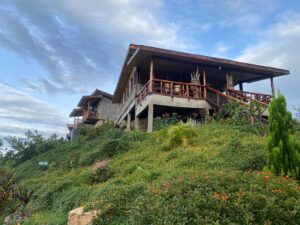
Established estates like Clarke Farm in Kyenjojo and the larger emerging Africa Coffee Park in Ntungamo add structured visits with cupping sessions and value-addition insights, giving travelers authentic ways to explore Uganda’s dual Robusta and specialty Arabica heritage.
Reach out to us today at Responsible Tourism Company to craft the best tour package including coffee tours;
Call/WhatsApp: +256 704 023 485