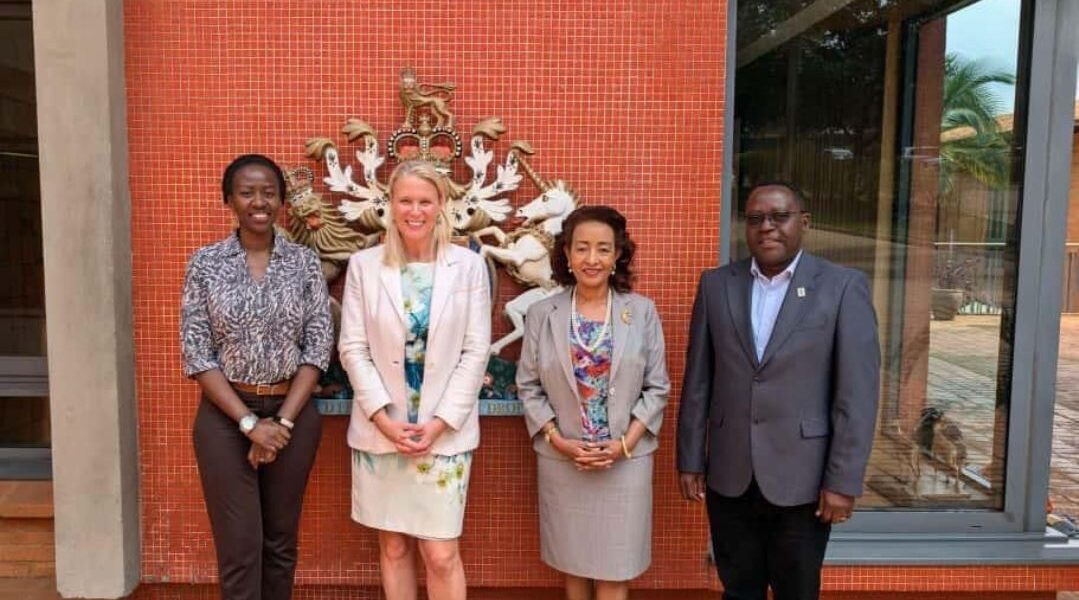
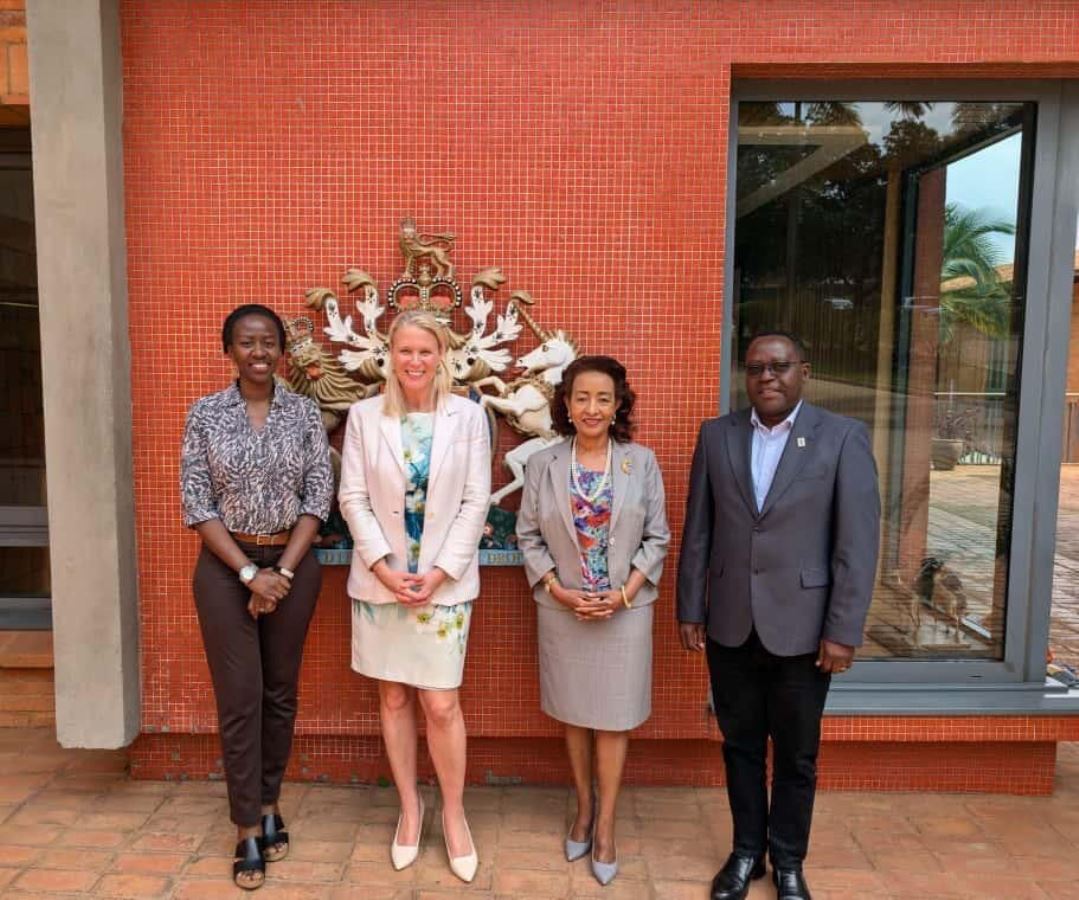
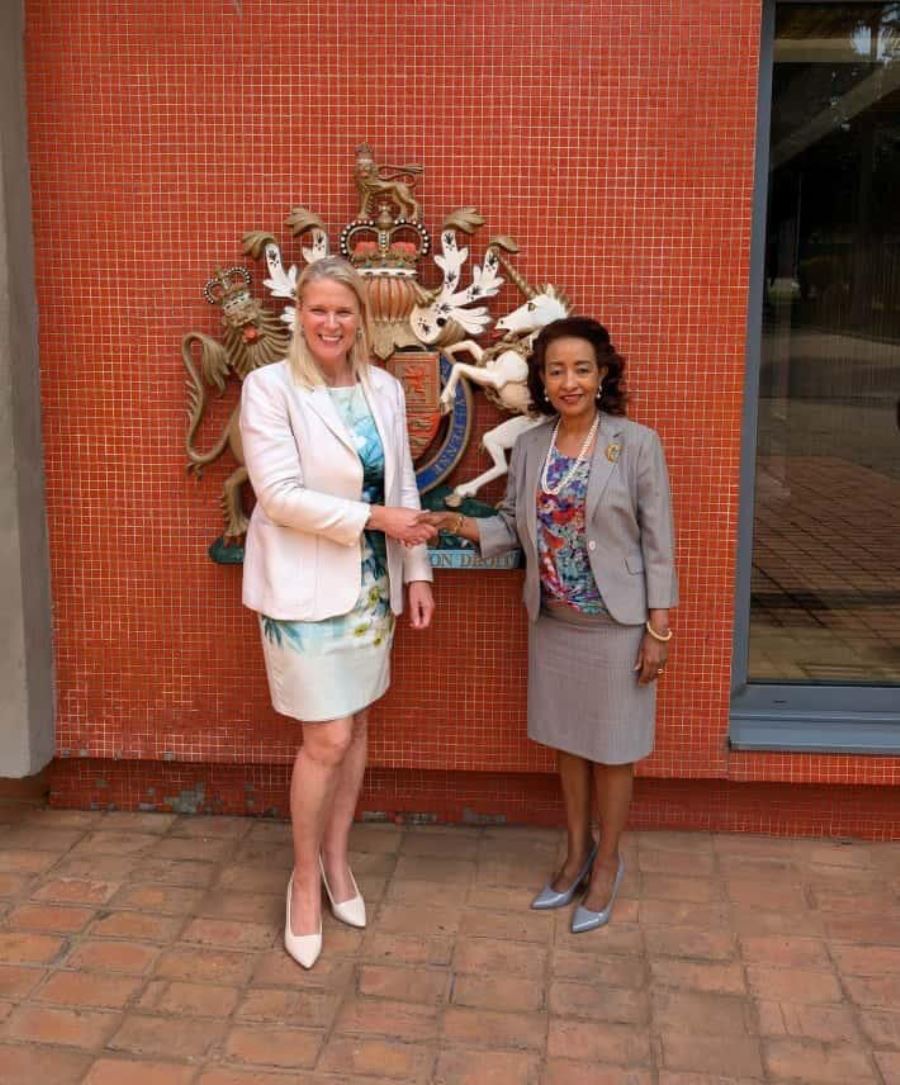
The Uganda Tourism Association (UTA), led by President Mrs. Yogi Biriggwa, met with newly appointed British High Commissioner H.E. Lisa Chesney MBE on October 4th, 2025, in Kampala, Uganda, to strengthen Uganda-UK tourism ties.
This strategic dialogue, held against the backdrop of Uganda’s record 1.37 million visitors in 2024 and a $1.28 billion tourism revenue, signals a bold push to position Uganda as a top global destination.
However, the success of UK (United Kingdom) – Uganda Tourism Association (UTA) partnership hinges on addressing the complex legacy of foreign aid, travel advisories, and the need for tangible economic impact.
Has Funding Uganda Impacted the Country?
United Kingdom (UK) funding, including £20 million for conservation since 1993 and ongoing investments in tourism infrastructure like roads, has laid a foundation for growth.
The United Kingdom’s Foreign, Commonwealth & Development Office (FCDO) also supports multilateral institutions in Uganda, such as the World Bank and UNICEF (United Nations International Children’s Emergency Fund), enhancing refugee response and biodiversity efforts.
Yet, the suspension of direct budget support to the Ugandan government since 2013 has limited immediate fiscal impact.
While tourism and conservation have seen gains, evidenced by the 2024 visitor surge, experts argue that without capacity building and local ownership, aid’s transformative potential remains underutilized.
The Uganda Tourism Association’s focus on United Kingdom (UK) investment and skills exchange could bridge this gap if effectively implemented.
What Needs to Be Done to Realize Foreign Aid Impact in Uganda?
To maximize foreign aid’s effectiveness, several steps are critical. First, enhancing technical capacity through partnerships, as proposed by Uganda Tourism Association (UTA) with United Kingdom (UK) institutions, can ensure sustainable program implementation.
Second, aligning aid with national priorities, like the Uganda Tourism Association’s strategic plan, rather than donor agendas is essential.
Third, fostering private-sector engagement, as seen in the “Uganda Tourism Authority-United Kingdom” discussions, can drive economic multipliers.
Finally, addressing governance challenges and improving domestic resource mobilization, as highlighted in a 2023 Development Initiatives report, will reduce Uganda’s reliance on aid, currently a lifeline due to limited revenue capacity post-COVID-19 and global conflicts.
Which Countries’ Economies Have Improved Due to Foreign Aid, and What Is Their Story?
Foreign aid has catalyzed economic growth in several nations, offering lessons for Uganda.
South Korea, once a recipient of U.S. aid in the 1950s and 1960s post-Korean War, transformed into a global economic powerhouse.
The U.S aid funded infrastructure and education, enabling a skilled workforce that drove industrialization, its GDP per capita rose from $79 in 1960 to over $34,000 today.
Rwanda, aided by United Kingdom and World Bank support post-1994 genocide, leveraged foreign funds for governance reforms and tourism, growing its economy at an average of 7.2% annually since 2000.
Both cases underscore the importance of strategic investment in human capital and infrastructure, areas Uganda is now targeting with the United Kingdom.
How Travel Advisories Affect Uganda’s Economy and What Can Be Done to Improve Its Tourism Image?
Travel advisories, such as the U.S. alert citing ISIS-Central Africa attacks in Queen Elizabeth National Park in 2023, have dented Uganda’s tourism economy.
These warnings deter visitors, reducing revenue and job opportunities in a sector employing over 700,000 people.
The 2023 incident, which killed two tourists, reinforced perceptions of insecurity, countering Uganda’s narrative as a safe safari destination.
To counter this, Uganda Tourism Association (UTA) and the United Kingdom (UK) are exploring visa facilitation and dialogue to adjust advisories based on current safety data.
Promoting Uganda’s unique offerings which include gorilla trekking, cultural heritage, and now direct London flights via Uganda Airlines through joint UK-Uganda marketing campaigns can rebuild confidence.
Hosting United Kingdom (UK) travel trade and influencers, as proposed by High Commissioner Chesney, will showcase stability.
Additionally, investing in security infrastructure and transparent safety updates can align with international expectations, turning Uganda’s tourism image from a cautionary tale to a compelling story of resilience and opportunity.
About the Uganda Tourism Association (UTA)
The Uganda Tourism Association (UTA), established in 2014 as a company limited by guarantee, serves as the apex body for Uganda’s private tourism sector.
Representing a coalition of trade associations, Uganda Tourism Association (UTA) advocates for sustainable tourism development, supports industry research, and fosters partnerships with government and international stakeholders.
With a mission to enhance Uganda’s tourism economy, Uganda Tourism Authority (UTA) drives initiatives like the recent UK collaboration to boost market access, capacity building, and cultural diplomacy.
About (UK) United Kingdom in Uganda
The United Kingdom’s presence in Uganda dates back to the establishment of the British Protectorate in 1894, with the British High Commission reopening in 1979 after a period of severed relations during Idi Amin’s regime.
Today, the High Commission, located on Windsor Loop in Kampala’s Kamwokya suburb, is led by High Commissioner Lisa Chesney MBE.
The United Kingdom’s engagement extends beyond diplomacy, with significant contributions to Uganda’s development through £120 million in aid programs, including the Building Resilience and An Effective Emergency Refugee Response initiative.
This funding supports infrastructure, health, education, and conservation, notably in tourism-related projects like road networks and national parks.
The United Kingdom (UK) also fosters trade and cultural ties, with Uganda Airlines’ recent London route strengthening economic links.
Explore Uganda’s Wildlife with Responsible Tourism Company
Ready to experience Uganda’s breathtaking wildlife parks? Book your safari with Responsible Tourism Company, offering unique, socially responsible travel experiences in Queen Elizabeth, Murchison Falls, and Bwindi Impenetrable National Parks.
Immerse yourself in gorilla trekking, chimpanzee tracking, and cultural adventures while supporting local communities.
With every booking, $10 per person is donated to reforestation projects. Visit responsibletourismcompany.com to plan your unforgettable journey today!
Book Cars + Hotels in Kampala
Get Kampala Car Rental & Kampala Hotel Deals in Kampala When You Book Them Together! Find deals from $50 per by comparing on Responsible Tourism Company. Visit our website. Responsible Tourism Company Rental Cars https://responsibletourismcompany.com/transportation-services/
Book tours with Responsible Tourism Company for an unforgettable experience from wildlife safari tours, adventure tours among others on our Uganda Tour Packages.