Nestled in the heart of East Africa, Uganda is a land of breathtaking landscapes, vibrant cultures, and untapped opportunities.
From Bwindi Impenetrable National Park, home to the majestic mountain gorillas, to the serene shores of Lake Victoria, the country is a treasure trove of natural and cultural wonders.
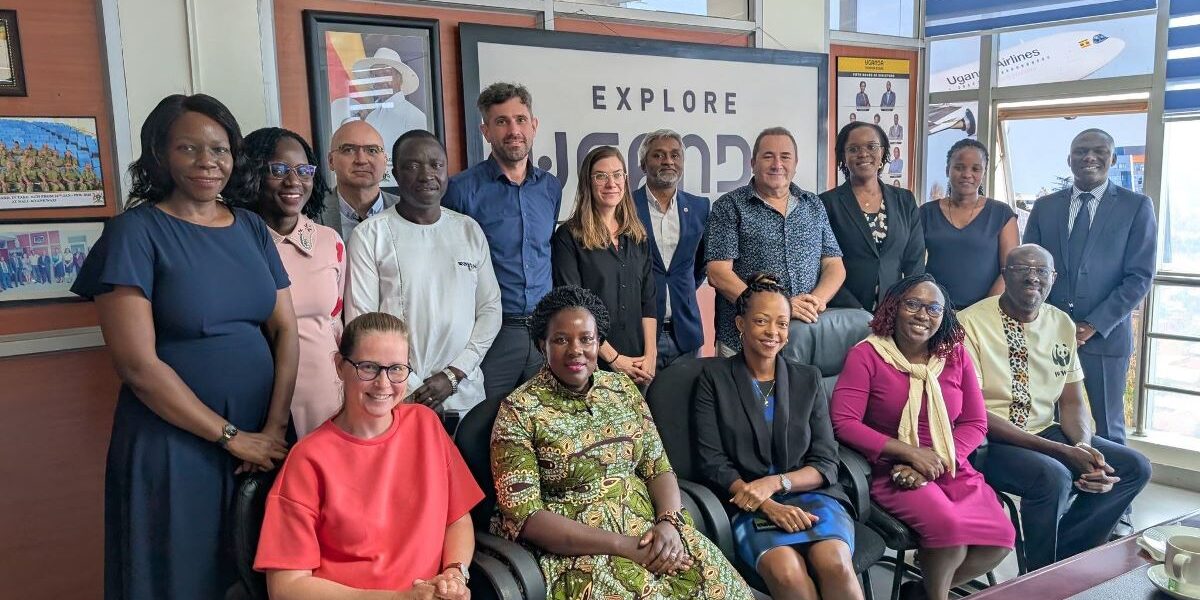
Recently, the Uganda Tourism Board (UTB) convened a dynamic session with development partners to chart a bold course for accelerating the nation’s tourism growth. The discussions underscored Uganda’s vast potential, spotlighting ecotourism, the Blue Economy, digital transformation, and sustainable destination development as key drivers.
With a renewed focus on public-private partnerships, storytelling, and investments in nature and culture-based tourism, Uganda is poised to become a global tourism powerhouse.
Uganda’s Tourism – A Diamond in the Rough
Uganda’s tourism sector is a vibrant tapestry woven with diverse threads, pristine national parks, rich biodiversity, and a cultural heritage that spans centuries.
The country is home to 10 national parks, including the iconic Queen Elizabeth and Murchison Falls National Parks, which offer unparalleled wildlife experiences.
Add to that the chance to trek endangered mountain gorillas in Bwindi Impenetrable National Park or explore the source of the Nile in Jinja, and it’s clear why Uganda is often called the “Pearl of Africa.”
Yet, despite its wealth of attractions, Uganda’s tourism sector remains underexplored. The Uganda Tourism Board’s recent session with the development partners highlighted the need to unlock this potential through strategic collaboration.
By leveraging ecotourism, harnessing the Blue Economy, and embracing digital transformation, Uganda aims to not only attract more visitors but also ensure that tourism growth is sustainable and inclusive.
Ecotourism lies at the heart of Uganda’s tourism vision. With over 50% of the world’s remaining mountain gorillas and a staggering array of bird species, Uganda is a haven for nature lovers.
The Uganda Tourism Board (UTB) emphasized the importance of preserving these natural assets while creating economic opportunities for local communities.

Development partners echoed this sentiment, advocating for investments in eco-friendly lodges, community-led conservation projects, and training programs for local guides.
One exciting prospect is the promotion of lesser-known destinations, such as Kidepo Valley National Park, a remote gem in Uganda’s northeast that offers a raw, unspoiled safari experience.
By diversifying tourism offerings beyond the well-trodden gorilla trekking routes, Uganda can distribute economic benefits more equitably and reduce pressure on popular sites.
The Blue Economy – Tapping into Water-Based Wealth
Uganda’s vast water bodies, including Lake Victoria, the second-largest freshwater lake in the world—present a unique opportunity to harness the Blue Economy.
The Uganda Tourism Board (UTB) and its partners explored ways to develop water-based tourism, from sustainable fishing experiences to boat safaris and cultural festivals celebrating lakeside communities.
These initiatives not only showcase Uganda’s scenic beauty but also promote environmental stewardship and economic empowerment for communities dependent on aquatic resources.
Imagine a sunset cruise on Lake Bunyonyi, often dubbed “Africa’s Little Switzerland,” or a kayaking adventure along the Nile.
By investing in infrastructure and promoting these experiences, Uganda can carve a niche in the global tourism market while preserving its aquatic ecosystems.
A Gateway to Global Reach through Digital Transformation
In an era where travelers plan their adventures with a few clicks, digital transformation is a game-changer for Uganda’s tourism sector.
The discussions highlighted the need for a robust online presence, including immersive virtual tours, user-friendly booking platforms, and targeted social media campaigns.
By embracing digital tools, Uganda can tell its story to a global audience, showcasing its unique blend of adventure, culture, and natural beauty.
Storytelling emerged as a powerful theme during the session. Partners emphasized the need to craft compelling narratives that capture Uganda’s essence; its warm hospitality, vibrant traditions, and awe-inspiring landscapes.
From short videos highlighting local festivals like the Bayimba Cultural Festival to influencer campaigns showcasing Uganda’s hidden gems, digital storytelling can inspire travelers to choose Uganda as their next destination.
Public-Private Partnerships
The session underscored the critical role of public-private partnerships (PPPs) in driving tourism growth. By fostering collaboration between the government, private sector, and development partners, Uganda can unlock investments in infrastructure, training, and marketing.
For instance, public-private partnerships (PPPs) could fund the development of eco-lodges, improve road access to remote attractions, or support community-based tourism initiatives.
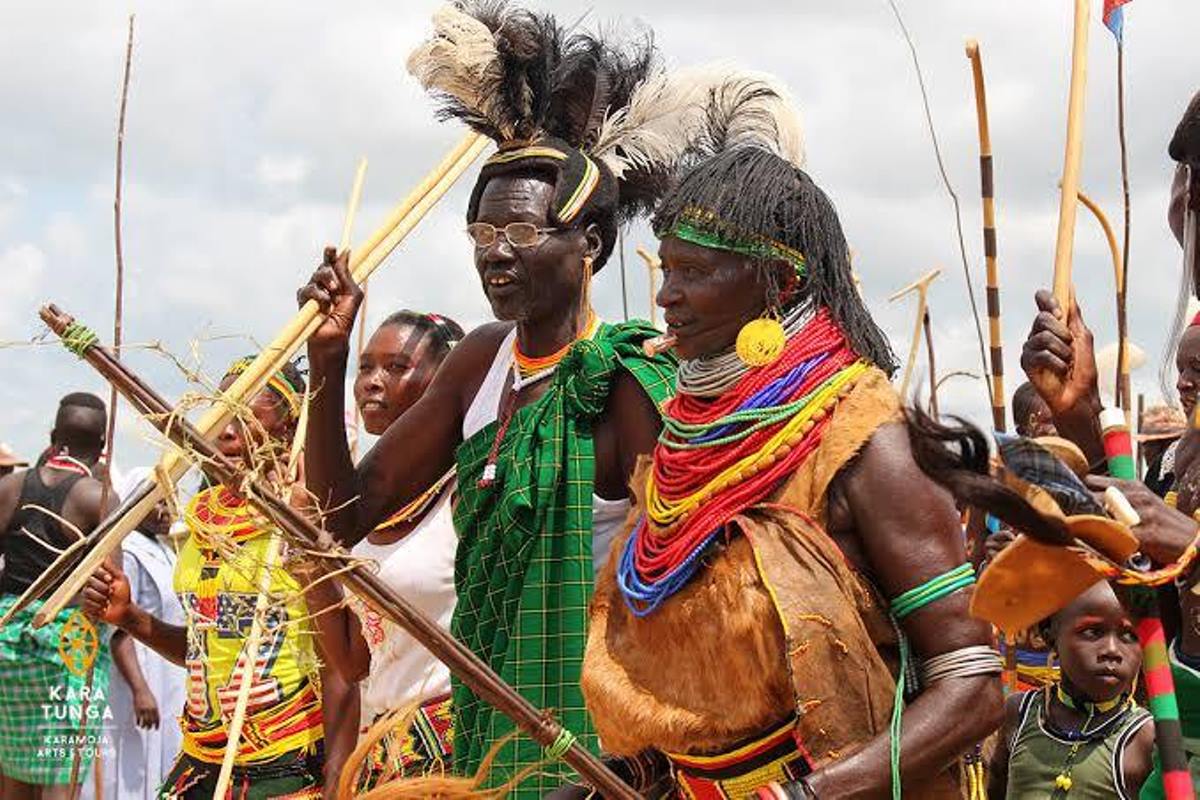
One inspiring example is the potential for cultural tourism hubs, where visitors can immerse themselves in Uganda’s diverse ethnic traditions, think drumming workshops with the Baganda, storytelling sessions with the Karamojong, or culinary experiences featuring local delicacies like the Luwombo from Baganda culture. These initiatives not only create jobs but also preserve Uganda’s cultural heritage for future generations.
Sustainable Destination Development
Sustainability was a recurring theme in the discussions. The Uganda Tourism Board (UTB) and its partners are committed to ensuring that tourism growth does not come at the expense of Uganda’s natural and cultural treasures.
This means adopting eco-friendly practices, such as renewable energy in tourist facilities, waste reduction programs, and conservation-focused policies. It also involves empowering local communities to take ownership of tourism initiatives, ensuring that the benefits of tourism reach those who need it most.
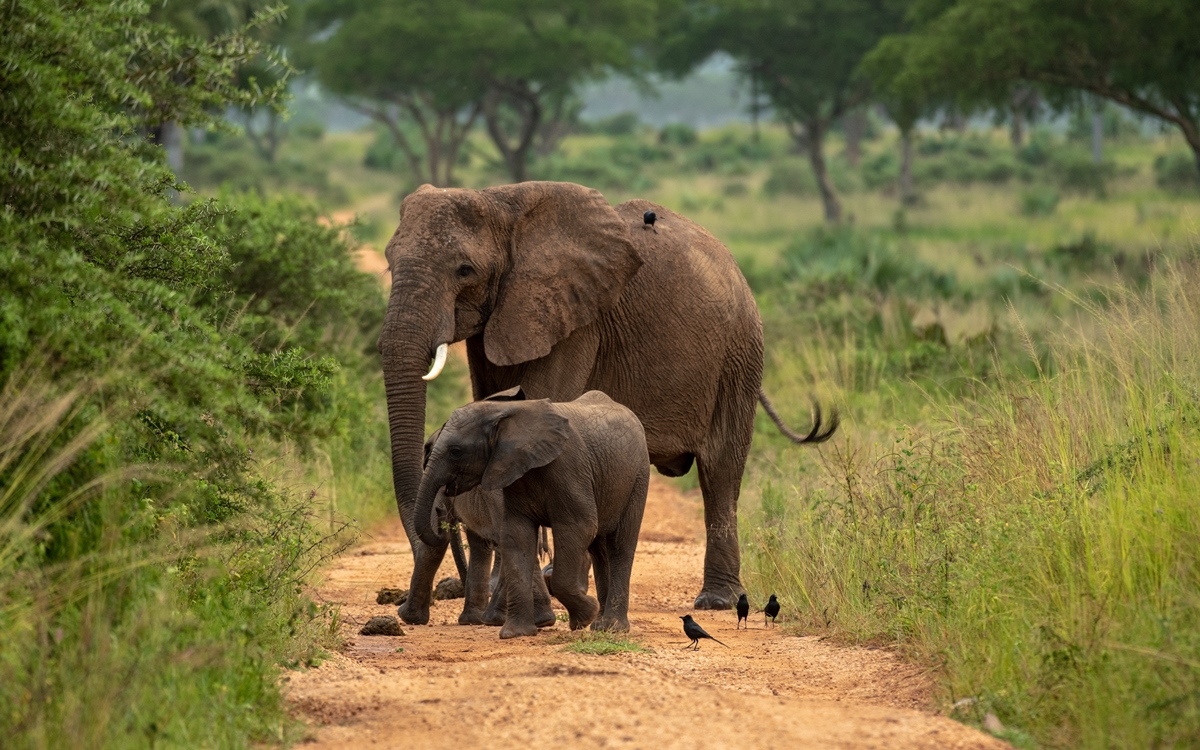
By prioritizing sustainable destination development, Uganda can position itself as a model for responsible tourism in Africa. This approach not only attracts environmentally conscious travelers but also ensures that Uganda’s beauty endures for generations to come.
The Uganda Tourism Board’s session with development partners was a rallying cry for collective action. With ecotourism, the Blue Economy, digital transformation, and sustainable development as cornerstones, Uganda is on the cusp of a tourism renaissance.
As the Uganda Tourism Board (UTB) and its partners move forward, the focus remains on co-creating meaningful impact.
By harnessing the power of collaboration, innovation, and storytelling, Uganda is poised to become a must-visit destination for travelers seeking authentic, sustainable, and unforgettable experiences.
The “Pearl of Africa” is ready to claim its place on the global stage, and the future looks brighter than ever.
Planning your next adventure to Uganda?
Contact the Responsible Tourism Company for a personalized travel experience.
Reach out at Plot 40 Zana Town, Opp Hotel Florida, Kampala-Entebbe Rd, Kampala, Uganda, or call +256 704 023 485, or email info@responsibletourismcompany.com.
Let our travel expert team tailor your journey to explore Uganda’s wonders!
Book Cars + Hotels in Kampala
Get Kampala Car Rental & Hotel Deals in Kampala When You Book Them Together! Find deals from $50 per by comparing on Responsible Tourism Company. Visit our website. Responsible Tourism Company Rental Cars https://responsibletourismcompany.com/transportation-services/
Book tours with Responsible Tourism Company for an unforgettable experience from wildlife safari tours, adventure tours among others on our Uganda Tour Packages.