
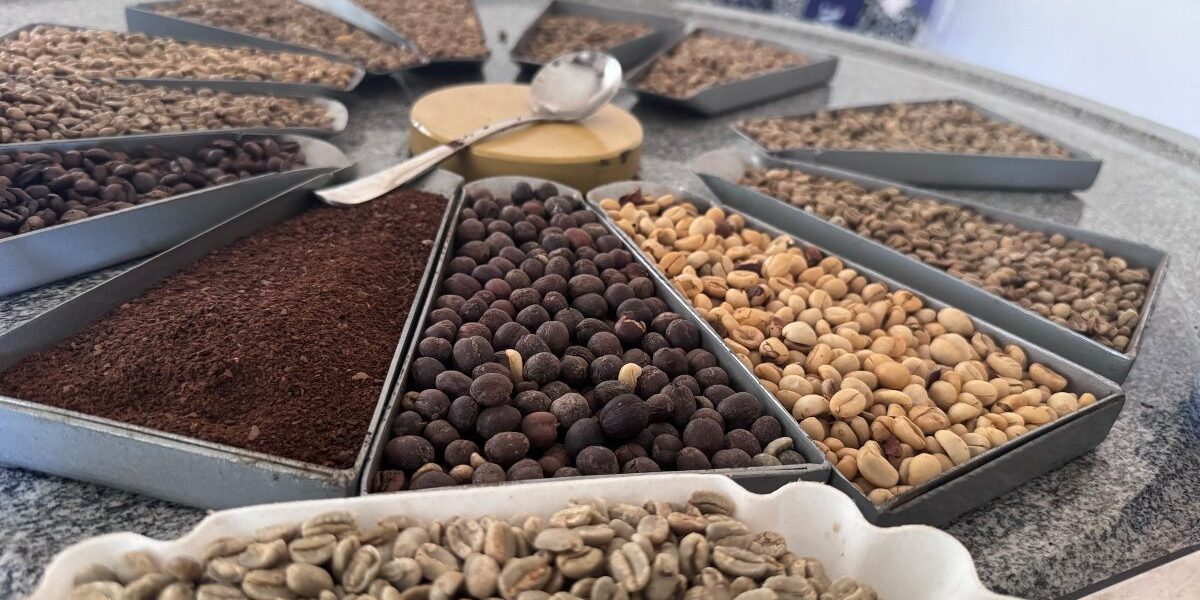
Uganda officially unveiled its first-ever unified national coffee brand, “Uganda Coffee: It’s in Our Nature,” on June 25th, 2026, at the World of Coffee trade show in Brussels, Belgium.
The historic launch marks a strategic pivot for the country, moving from a bulk raw bean supplier to a certified, premium global origin on the international stage.
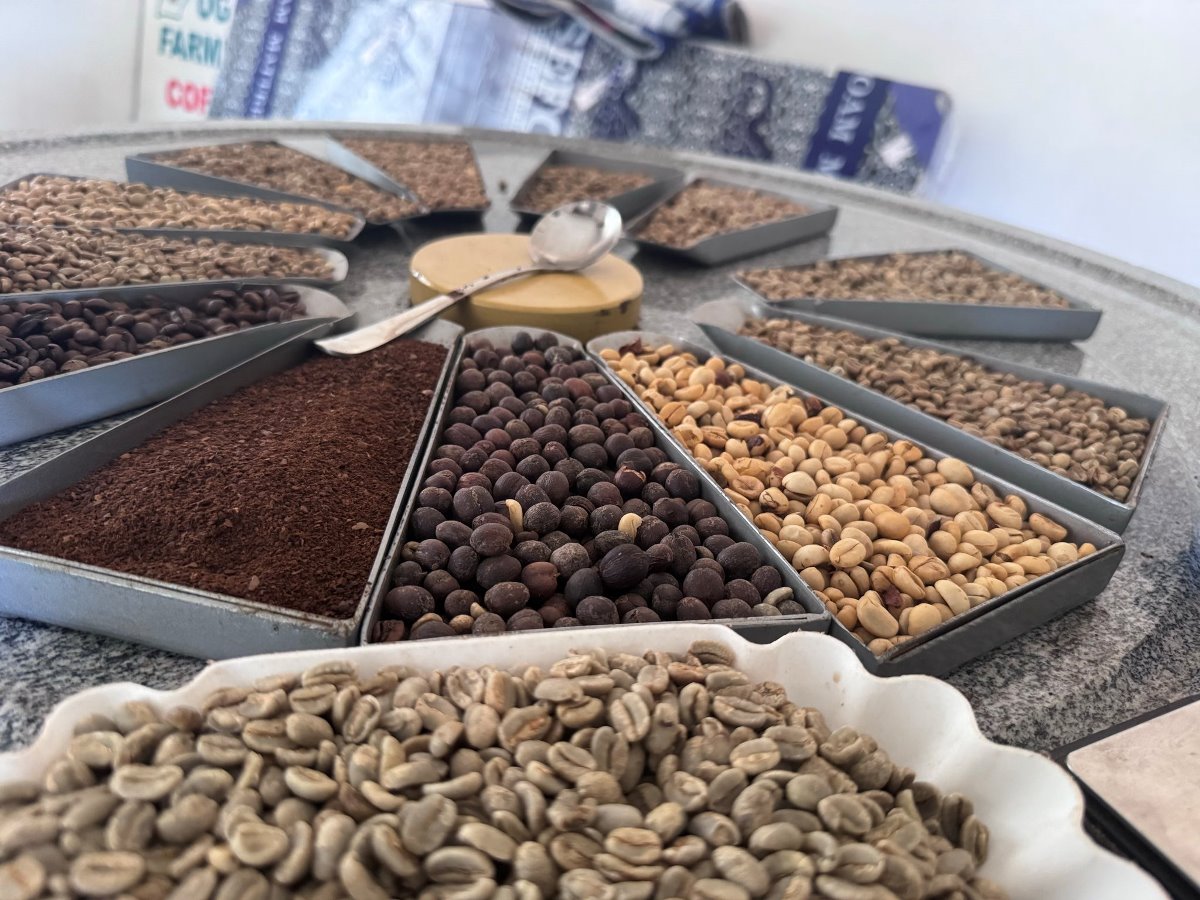
Key Details of the Uganda Coffee Launch
The Core Tagline: “It’s in Our Nature” references Uganda’s rich soil, altitude, and biodiversity, while reflecting a welcoming national character.
Visual Identity: The new logo blends coffee beans with the Crested Crane (Uganda’s national bird) utilizing a palette drawn from the national flag (black, yellow, red) mixed with espresso, caramel, and forest green tones.
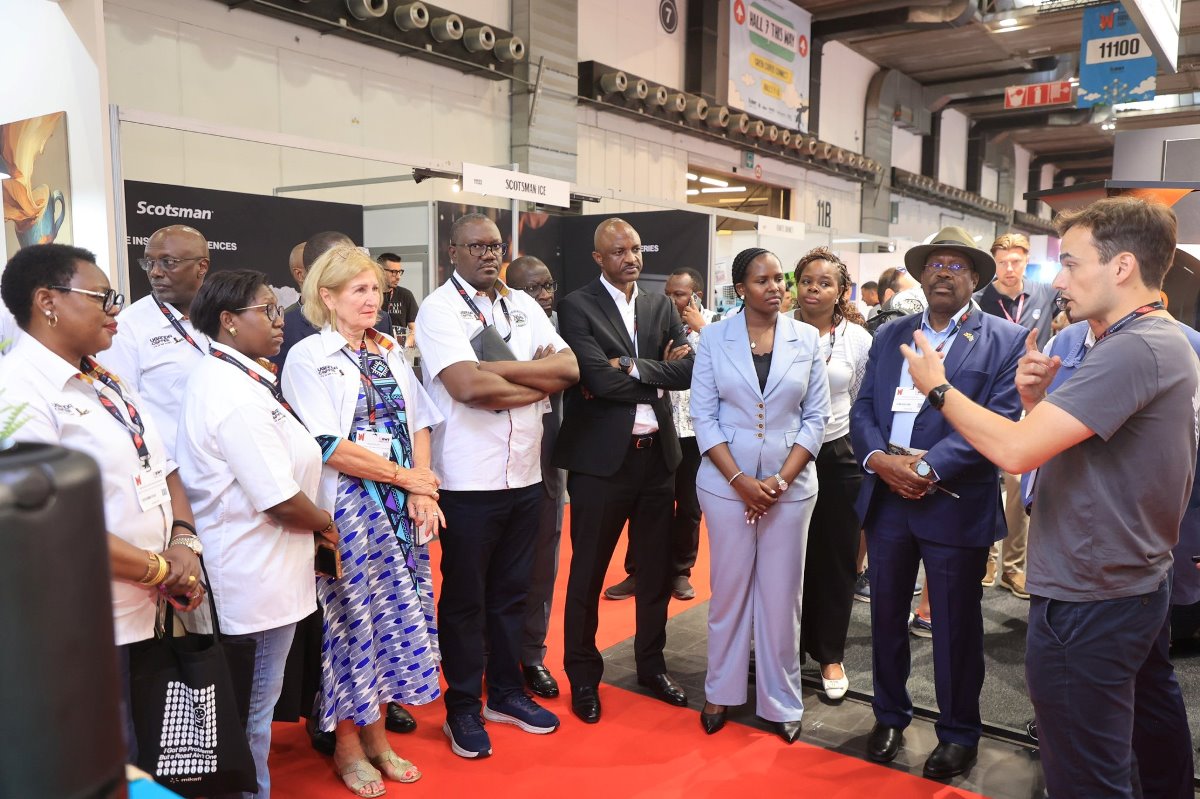
Prestigious Platform: Uganda acted as the official Portrait Country at the World of Coffee Brussels expo, giving it maximum visibility among global roasters and buyers.
Cultural Showcase: The rollout featured traditional Ugandan drum processions, music, dance, and daily coffee cupping sessions.
Strategic Backing: The campaign is spearheaded by the Ministry of Foreign Affairs, Minister of State for Agriculture Desire Muhooza, and Ambassador to Belgium Mirjam Blaak Sow. It is supported by the European Union-funded MARKUP II initiative via the International Trade Centre.
Market Significance of Uganda Coffee Launch
As Africa’s leading coffee exporter by volume, Uganda exported 8.78 million bags worth $2.38 billion in the 12 months leading up to April 2026.
With Europe accounting for 52% of those exports (led by Italy and Germany), the Brussels launch directly targets the highly lucrative European specialty coffee markets to secure better pricing and direct trade relations.
How this new branding of the new Uganda Coffee affects local farmers
The new unified national coffee brand, “Uganda Coffee: It’s in Our Nature,” directly impacts local smallholder farmers by shifting Uganda from a low-value commodity supplier to a premium global origin market.
By commanding higher international prices, this strategic transition directly boosts household incomes for over 1.8 million Ugandan coffee-farming families.
- Shift from Bulk Commodity to Premium Pricing
Eliminating Price Volatility:
Historically, Ugandan farmers sold unbranded, generic beans vulnerable to erratic global commodity market fluctuations.
Securing a Value Premium:
Branding establishes an elite reputation, allowing farmers to demand a higher premium for certified origin beans.
Boosting Farm-Gate Prices:
Higher export revenues flow backward through local cooperatives, directly increasing the cash paid to farmers at the farm gate.
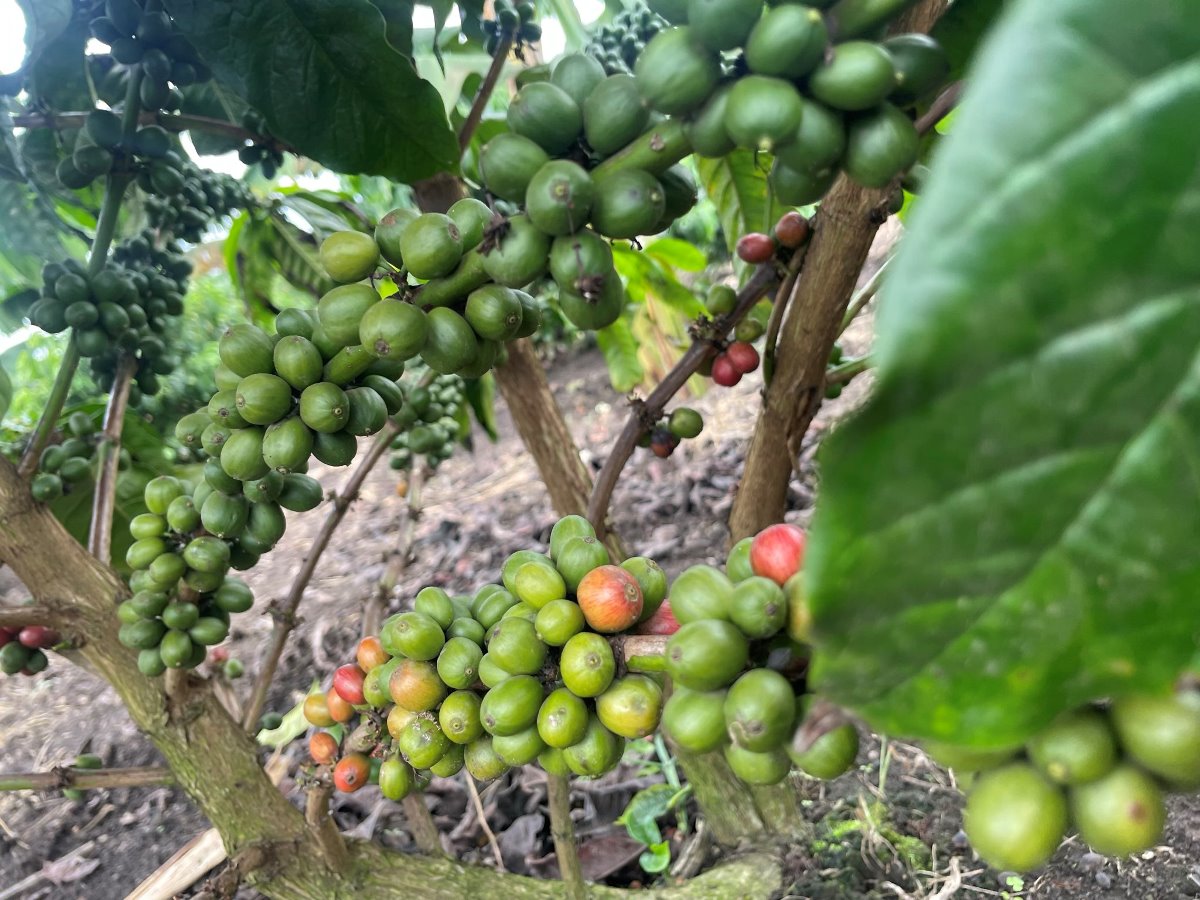
- Expanding Direct Trade and Eliminating Middlemen
Connecting to Global Roasters:
The high-visibility Brussels launch opens doors for direct-to-consumer and direct-to-roaster trade channels.
Cutting Out Intermediaries:
Bypassing multi-layered international broker networks ensures a larger share of the final retail price stays in Uganda.
Fostering Long-Term Contracts:
Direct trade builds stable, multi-year purchasing agreements, giving farming families predictable financial security.
- Incentivizing Quality, Sustainability, and EU Compliance
Funding Sustainable Practices: To maintain the premium brand image, investment is flowing into eco-friendly farming, organic practices, and climate-smart agriculture.
Meeting Strict European Union (EU) Standards:
The brand structure helps cooperatives comply with stringent European Union Deforestation Regulations (EUDR), protecting farmers from being barred from their largest export market.
Upskilling Local Producers:
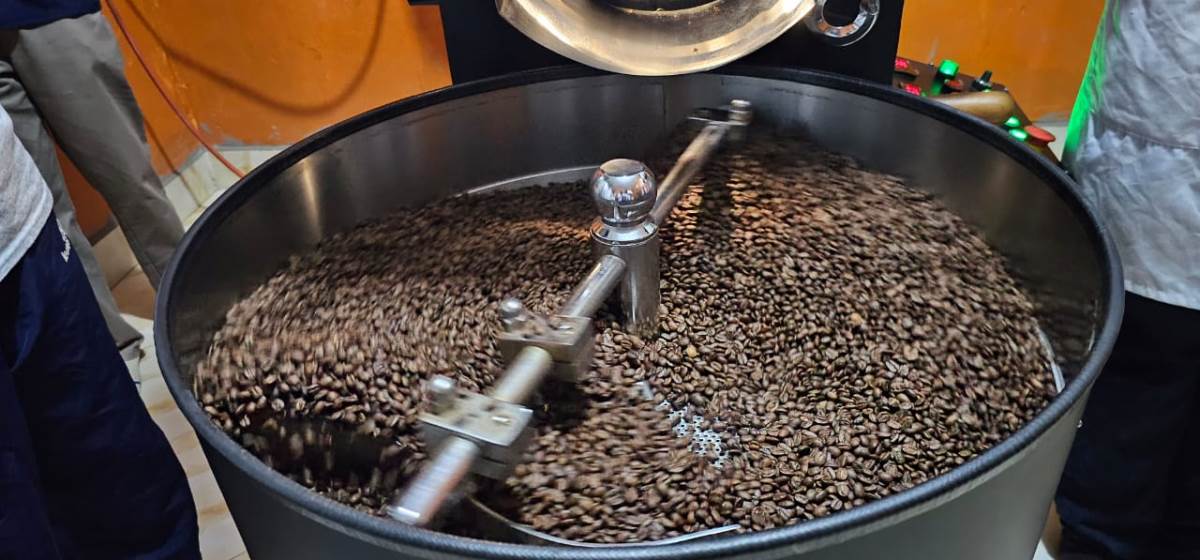
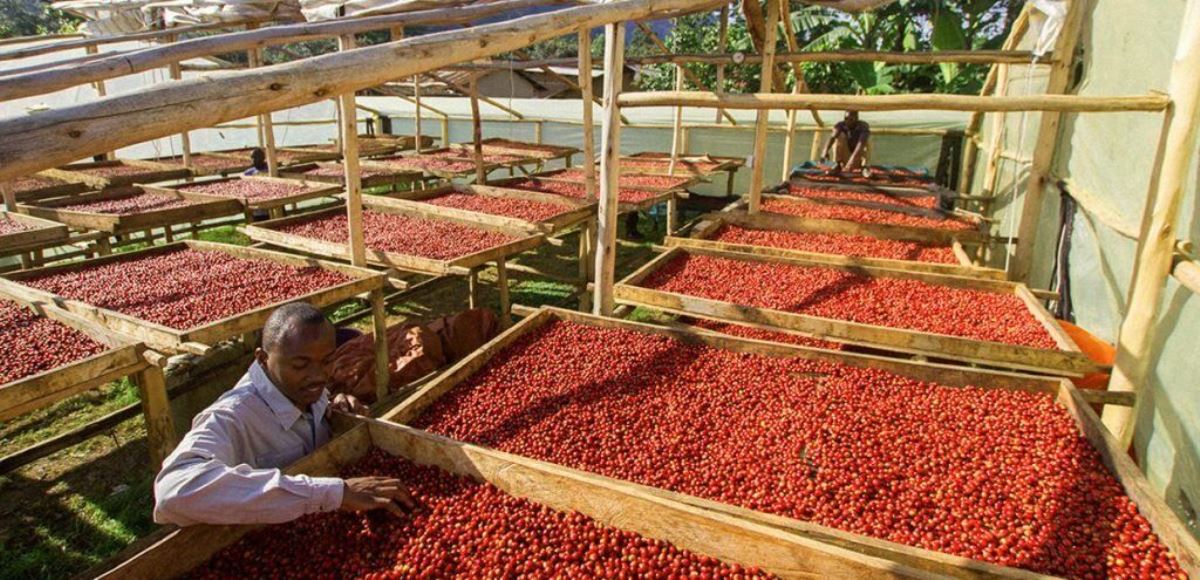
Farmers gain access to advanced training in selective hand-picking, washing, and drying techniques to meet premium specialty coffee benchmarks.
- Spurring Rural Economic Development
Driving Infrastructure Investment:
Premium brand revenues accelerate local investments in washing stations, hullers, and solar dryers within farming communities.
Creating Off-Farm Employment:
The push for domestic processing creates secondary jobs in sorting, packaging, and logistics near growing regions.
Empowering Youth and Women:
Targeted cooperative grants funded by premium sales promote financial inclusion for women and youth who provide the core farm labor.
Why Uganda Branded Coffee is not common in international Supermarkets Shelves vs brands like Kenya, Ethiopia Coffee
- The Bulk “Invisible Blend” Trap
The Raw Commodity Focus: Over 85% of Ugandan coffee is exported as unprocessed green beans.
Hidden Ingredient:
International multi-national roasters buy Ugandan beans to use as an “anonymous filler” or structural base to blend into generic supermarket brands. Once it leaves the country, the Ugandan identity is completely stripped away.
- Robusta vs. Arabica Dominance
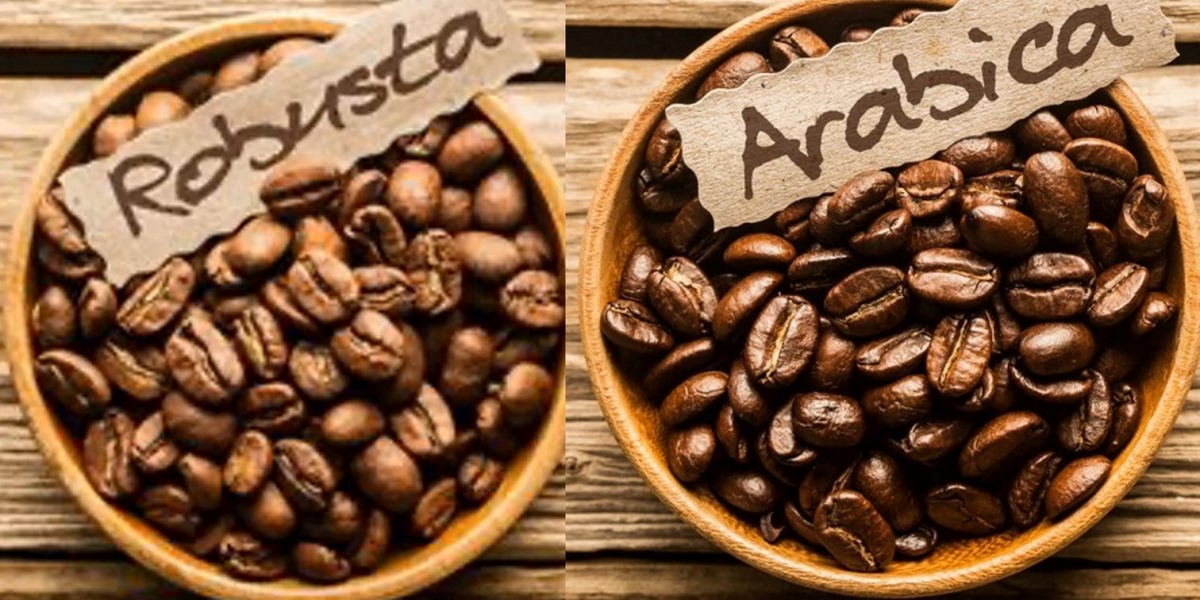
The Robusta Backbone:
Roughly 80% to 85% of Uganda’s output is Robusta coffee. While Uganda produces some of the world’s finest wild Robusta, the global commercial market traditionally allocates Robusta for instant coffee, espresso bases, and blends rather than single-origin gourmet retail bags.
The Arabica Advantage:
Ethiopia and Kenya primarily grow premium Arabica coffee. Arabica is heavily marketed by Western supermarkets as a high-tier, single-origin retail product due to its floral and highly acidic flavor marketing.
- Historical Marketing Infrastructure
Kenya’s Early Specialization:
Kenya has spent decades marketing its beans through a highly competitive central auction system explicitly built to attract elite specialty buyers.
Ethiopia’s Cultural Narrative:
Ethiopia leverages an ancient, globally recognized coffee heritage as the historical birthplace of Arabica. Uganda only just launched its very first unified national brand identity on June 25th, 2026.
- Logistics and Value-Addition Deficits
Exporting the Roasting Margins:
Roasting, grinding, and retail packaging yield the highest profit margins in the coffee value chain. Historically, Uganda lacked the industrial infrastructure to roast and vacuum-pack retail-ready products at scale for export, losing out on shelf space to European roasters who import the raw beans.
The Freshness Window:
Roasted coffee has a much shorter shelf-life than green beans. Exporting finished retail goods from landlocked Uganda to Western supermarkets requires sophisticated supply chains that are only now beginning to mature.
- Lack of Local Coffee Culture
A Cash Crop Mentality:
In Ethiopia, domestic coffee consumption is a massive cultural staple, with locals consuming roughly 50% of what they grow.
In Uganda, coffee has historically been treated strictly as a cash crop for export rather than a local beverage, meaning domestic retail brands had no strong home base from which to scale internationally.
What is Changing?
With the recent June 2026 launch of “Uganda Coffee: It’s in Our Nature” in Brussels, the Uganda Coffee Development Authority (UCDA) and private exporters are actively pushing to reverse this trend.
The country is scaling up local industrial roasting, pushing premium fine-washed Robustas, and aggressively signing direct supply partnerships with international supermarket chains to secure visible shelf placement.
Ready to experience Uganda’s coffee story firsthand?
Responsible Tourism Company Ltd specializes in curated, low-impact journeys to Uganda’s coffee regions.
Our expert-guided tours include ethical farm visits, cultural immersions, and stays with community partners, ensuring your trip supports conservation and fair livelihoods.
Contact us at Responsible Tourism Company Ltd today to plan your next meaningful coffee adventure in Uganda.
Call/WhatsApp: +256 704 023 485