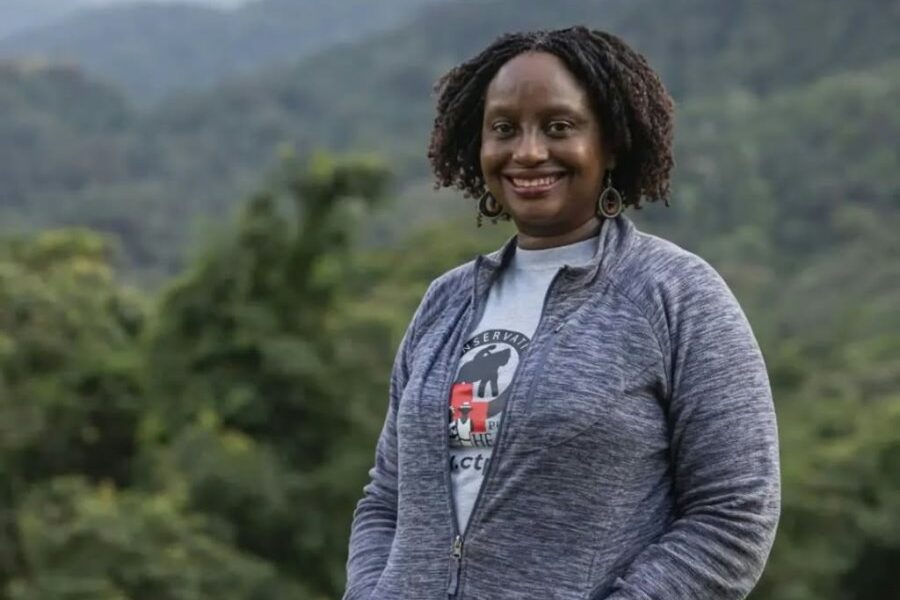
Uganda’s internationally recognised wildlife veterinarian and conservationist Dr. Gladys Kalema-Zikusoka has been nominated for the 2027 Indianapolis Prize, one of the world’s leading honours for animal conservation.
The nomination recognises Dr. Gladys’s longstanding contribution to wildlife conservation, particularly her work protecting mountain gorillas in East Africa and promoting a One Health approach that connects wildlife health, human health, livestock health and environmental wellbeing.
Dr. Gladys is the Founder and Chief Executive Officer of Conservation Through Public Health (CTPH), a Ugandan organisation working to promote coexistence between people and wildlife by improving health and livelihoods around protected areas.
Conservation Through Public Health (CTPH) was established in 2003 and has spent more than two decades developing community-based approaches to conservation and public health.
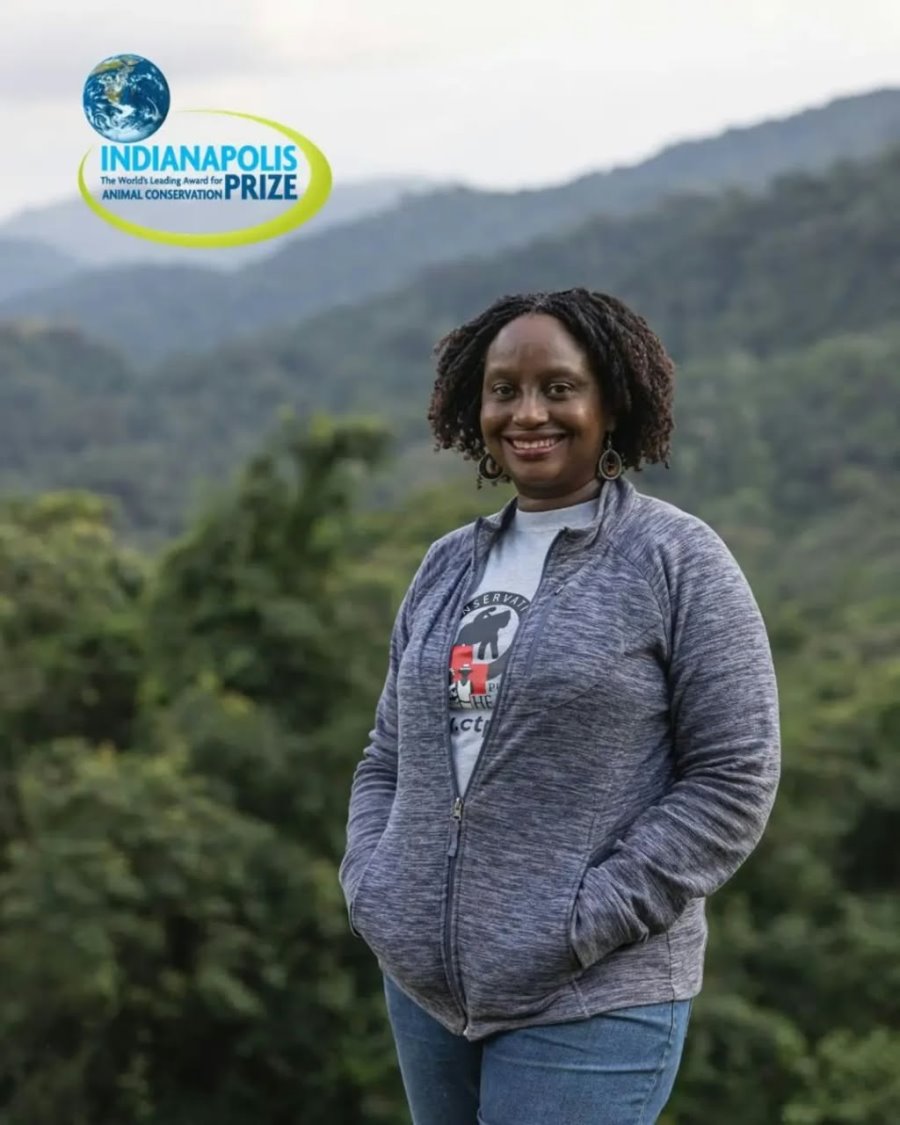
The Indianapolis Zoo officially included Dr. Gladys among the 27 nominees for the 2027 Indianapolis Prize, describing her as a wildlife veterinarian recognised globally for her work protecting endangered mountain gorillas in East Africa.
A Ugandan Wildlife Veterinarian Making a Global Impact
Dr. Gladys Kalema-Zikusoka’s conservation journey has been closely connected to Uganda’s mountain gorillas and the communities living around their habitat.
Her work demonstrates the importance of understanding conservation as a relationship between wildlife, people, livestock and the environment.
Through Conservation Through Public Health (CTPH), she has championed the One Health approach, recognising that the health of communities and domestic animals can directly affect wildlife conservation.
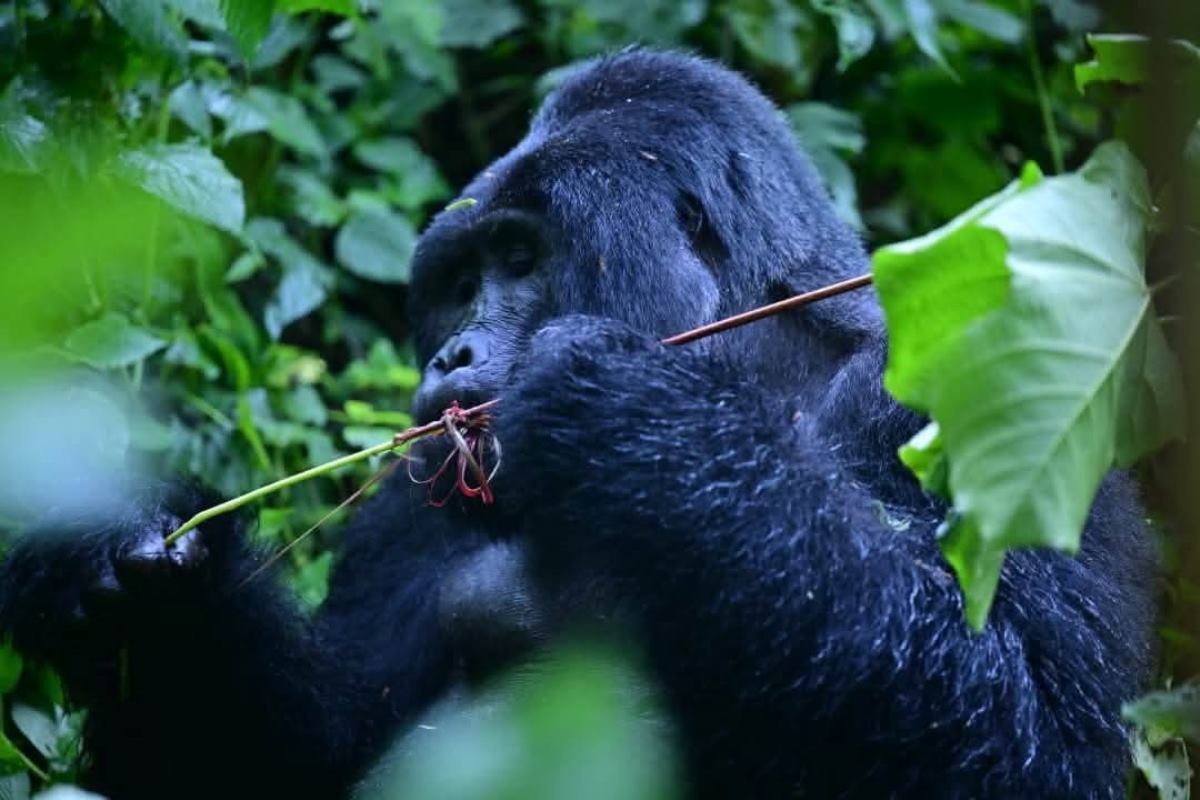
This is particularly important in areas surrounding Bwindi Impenetrable National Park, where people and mountain gorillas live in close proximity.
The Indianapolis Zoo describes Dr. Gladys as a wildlife veterinarian and protector of endangered mountain gorillas, while also highlighting her work helping communities and wildlife coexist through improved health and livelihoods.
What Is the One Health Approach?
The One Health approach recognises the close connection between the health of people, animals and the environment.
For mountain gorilla conservation, this approach is particularly relevant because communities, livestock, domestic animals, tourists, researchers and gorillas interact within the same broader landscape.
Healthy communities can contribute to healthier ecosystems, while responsible management of human and livestock health can help reduce risks to wildlife.
Conservation Through Public Health (CTPH) describes its work around the principle that the health of people, gorillas and the environment they share cannot be separated.
The organisation’s current programmes integrate wildlife health, community health and sustainable livelihoods.
Community Participation at the Heart of Gorilla Conservation
One of the most important aspects of Dr. Gladys’s conservation work is the involvement of communities living around protected areas.
Through Conservation Through Public Health (CTPH) programmes, conservation is connected to community health, livelihoods and local participation.
Key initiatives include Village Health and Conservation Teams, which support community health and conservation activities, as well as programmes addressing interactions between people and wildlife.
Conservation Through Public Health (CTPH) currently reports more than 430 Village Health and Conservation Teams actively involved in protecting gorilla habitat and supporting sustainable livelihoods.
The organisation also reports reaching more than 54,000 community members through integrated One Health programmes.
These community-centred approaches demonstrate how conservation can become part of everyday life for people living alongside important wildlife habitats.
Human-Gorilla Conflict and Community Conservation
Communities living close to mountain gorilla habitats can experience challenges associated with sharing landscapes with wildlife.
Human-gorilla interactions require practical approaches that protect people while also safeguarding gorillas and their habitat.

Conservation Through Public Health organisation’s community-based work includes Human Gorilla Conflict Resolution Teams, which contribute to addressing these interactions and promoting coexistence.
The wider approach recognises that local communities are important partners in conservation. Their experiences, knowledge and livelihoods are part of the long-term effort to protect mountain gorillas.
Supporting Livestock Health and Community Livelihoods
Livestock also forms part of the conservation landscape around Uganda’s protected areas.
Through Community Animal Health Workers and other community-based initiatives, Conservation Through Public Health (CTPH) links animal health with broader conservation and public health objectives
This approach helps communities understand the relationship between healthy livestock, healthy people and healthy wildlife populations.
Livelihood development is another important component of this model.
Programmes such as Gorilla Conservation Coffee provide opportunities for communities to participate in conservation while developing income-generating activities.
By connecting conservation with livelihoods, communities can gain practical economic reasons to support the protection of wildlife and natural habitats.
Gorilla Conservation Coffee and Sustainable Tourism
Gorilla Conservation Coffee is an example of how conservation, agriculture and community livelihoods can be connected.
Coffee farmers around gorilla habitats can participate in a value chain that links their agricultural production with the wider conservation story.
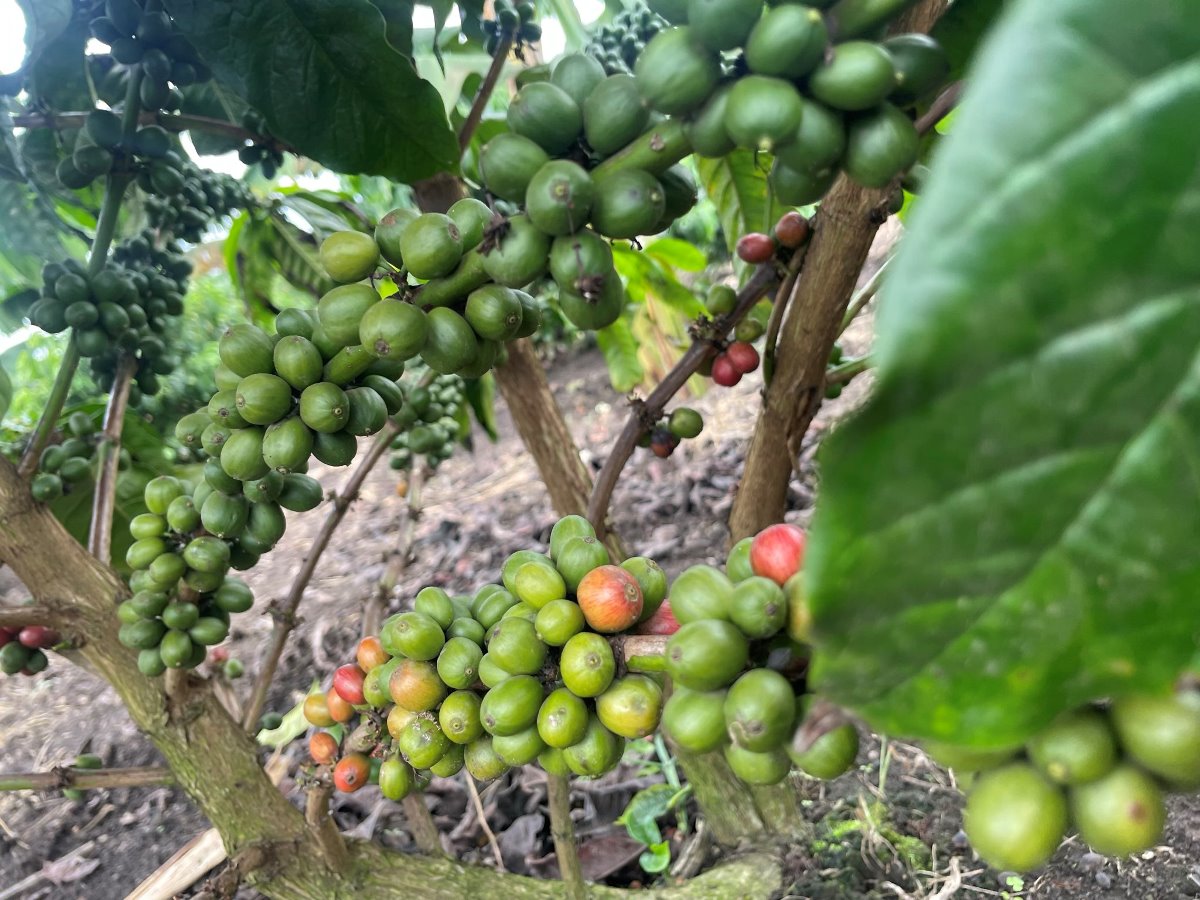
For Uganda’s tourism industry, these initiatives also create opportunities for travellers to understand the communities and livelihoods surrounding famous wildlife destinations in Uganda.
Visitors travelling for gorilla trekking can therefore gain a broader appreciation of the landscapes they visit and the people who contribute to their conservation.
Why the Indianapolis Prize Nomination Matters
The Indianapolis Prize, established by the Indianapolis Zoo, recognises conservationists who have achieved significant positive impacts on animal species or groups of species. The 2027 cycle includes 27 nominees from around the world.
Dr. Gladys’s nomination provides international recognition for a conservation model that places wildlife protection alongside community wellbeing.
This is also significant for Uganda because mountain gorilla conservation is closely connected to the country’s tourism industry.
Gorilla trekking in Uganda generates tourism revenue, supports local employment and creates business opportunities for local communities and tourism enterprises around protected areas.
Conservation leaders such as Dr. Gladys help demonstrate why protecting wildlife and supporting surrounding communities are both important components of a sustainable tourism future.
Dr. Gladys and the Indianapolis Prize Journey
This is not Dr. Gladys Kalema-Zikusoka’s first recognition by the Indianapolis Prize.
She was previously named a DeHaan Finalist for the 2023 Indianapolis Prize, alongside other internationally recognised conservationists.
Her inclusion in the 2027 nominee group therefore continues a long-standing relationship with one of the world’s most prominent wildlife conservation awards.
The Indianapolis Zoo says the 2027 winner will be selected following the finalist stage, with the winner scheduled to be announced at the Indianapolis Prize signature event in September 2027.
What Dr. Gladys’s Work Means for Uganda Tourism
Uganda’s tourism industry depends heavily on the country’s natural and cultural heritage.
Mountain gorillas are among Uganda’s most important wildlife attractions, drawing visitors from around the world to Bwindi Impenetrable National Park and Mgahinga Gorilla National Park, contributing to the wider tourism economy.
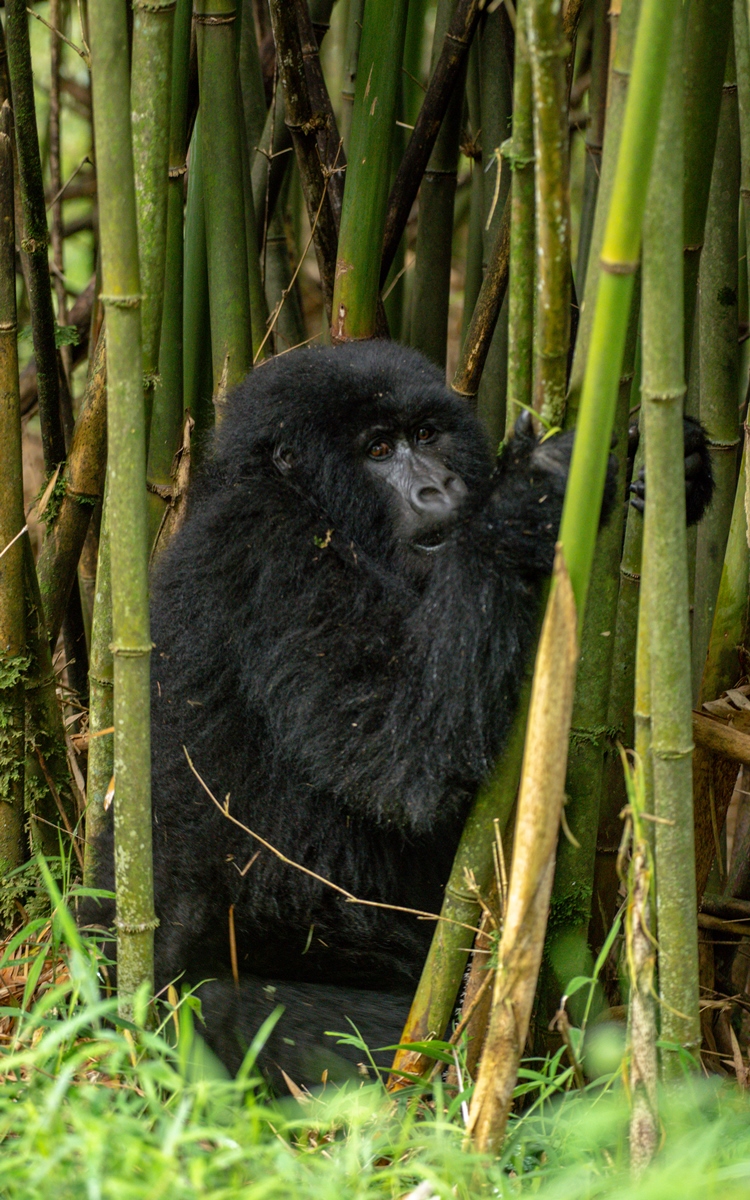
Protecting gorillas therefore goes beyond wildlife conservation. It also supports the tourism businesses, guides, accommodation providers, transport operators, community enterprises and other service providers whose livelihoods are connected to gorilla tourism.
Dr. Gladys Kalema-Zikusoka’s work illustrates the connection between conservation, community development and responsible tourism.
When communities benefit from conservation and understand the importance of protecting wildlife, tourism can become part of a wider strategy for safeguarding Uganda’s natural heritage.
Conservation, Tourism and the Future of Mountain Gorillas
The future of Uganda’s mountain gorillas depends on continued collaboration between conservation organisations, Government agencies, local communities, researchers, tourism operators and visitors.
Responsible tourism can contribute by supporting conservation programmes, respecting wildlife guidelines, working with local communities and choosing tourism providers committed to sustainable practices.
Gorilla trekking visitors also have a direct role to play by following Uganda national park regulations, maintaining appropriate distances from gorillas, following guide instructions and respecting the surrounding environment.
The work of Dr. Gladys and Conservation Through Public Health (CTPH) provides an important reminder that successful conservation requires long-term cooperation between people and wildlife.
Celebrating a Ugandan Conservation Champion
Dr. Gladys Kalema-Zikusoka’s nomination for the 2027 Indianapolis Prize is a significant moment for Uganda’s conservation community and the wider tourism sector.
Her work has helped place Uganda’s mountain gorillas, community conservation and the One Health approach on the international conservation agenda.
As Uganda continues to develop sustainable tourism, the connection between wildlife protection, community livelihoods, public health and responsible travel will remain increasingly important.
Congratulations to Dr. Gladys Kalema-Zikusoka on this well-deserved international recognition and nomination for the 2027 Indianapolis Prize.
Experience Uganda Responsibly with Responsible Tourism Company
Responsible Tourism Company believes that tourism should contribute positively to wildlife conservation, local communities and Uganda’s natural heritage.
Our team helps travellers discover Uganda through responsible and locally connected experiences, including gorilla trekking, chimpanzee trekking, wildlife safaris, community tourism, cultural experiences, birdwatching and nature-based travel.
For travellers planning a gorilla trekking experience in Uganda, we can assist with itinerary planning, transportation, accommodation, park activities and responsible travel experiences around Bwindi Impenetrable National Park and other destinations.
Plan Your Uganda Gorilla Safari
Travel with a deeper connection to Uganda’s wildlife and communities. Contact Responsible Tourism Company to plan a responsible Uganda gorilla safari or tailor-made wildlife journey that supports local tourism enterprises and encourages conservation.
Call/WhatsApp: +256 704 023 485