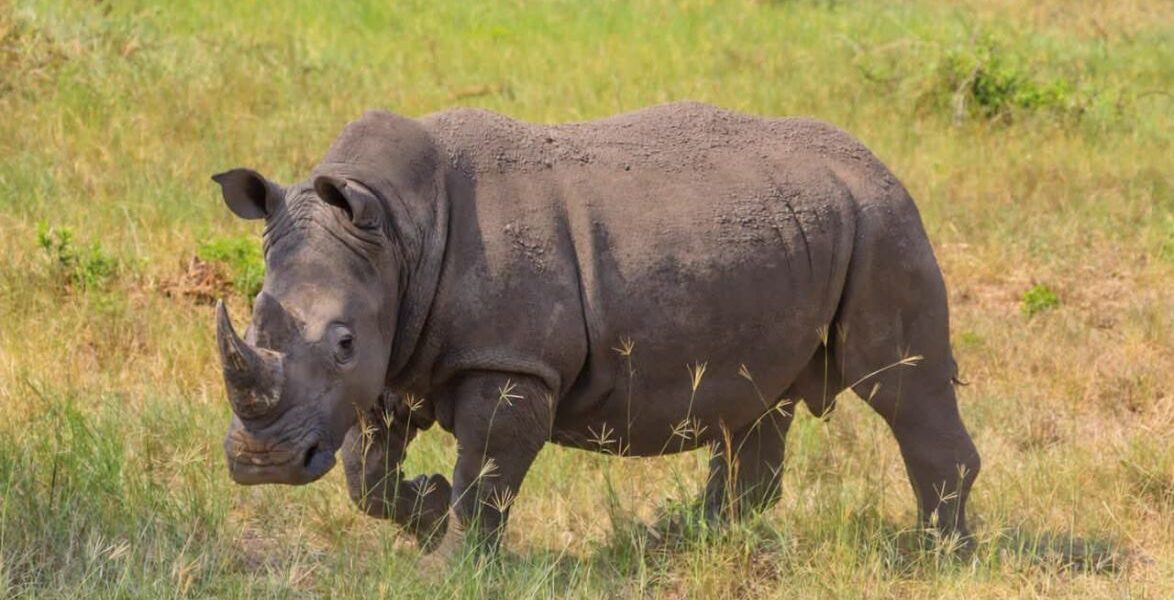
Every year on 22nd September, World Rhino Day brings global attention to the magnificent rhinoceros and the urgent need to protect these iconic animals.
In Uganda, the occasion provides an opportunity to celebrate the progress made in restoring rhinos while highlighting the shared responsibility of Government, conservation organisations, communities, tourism businesses and visitors.
World Rhino Day 2026 also comes at an important time for Uganda’s rhino conservation story. The country is expanding its efforts to rebuild rhino populations, restore them to suitable habitats and create stronger connections between conservation and communities.
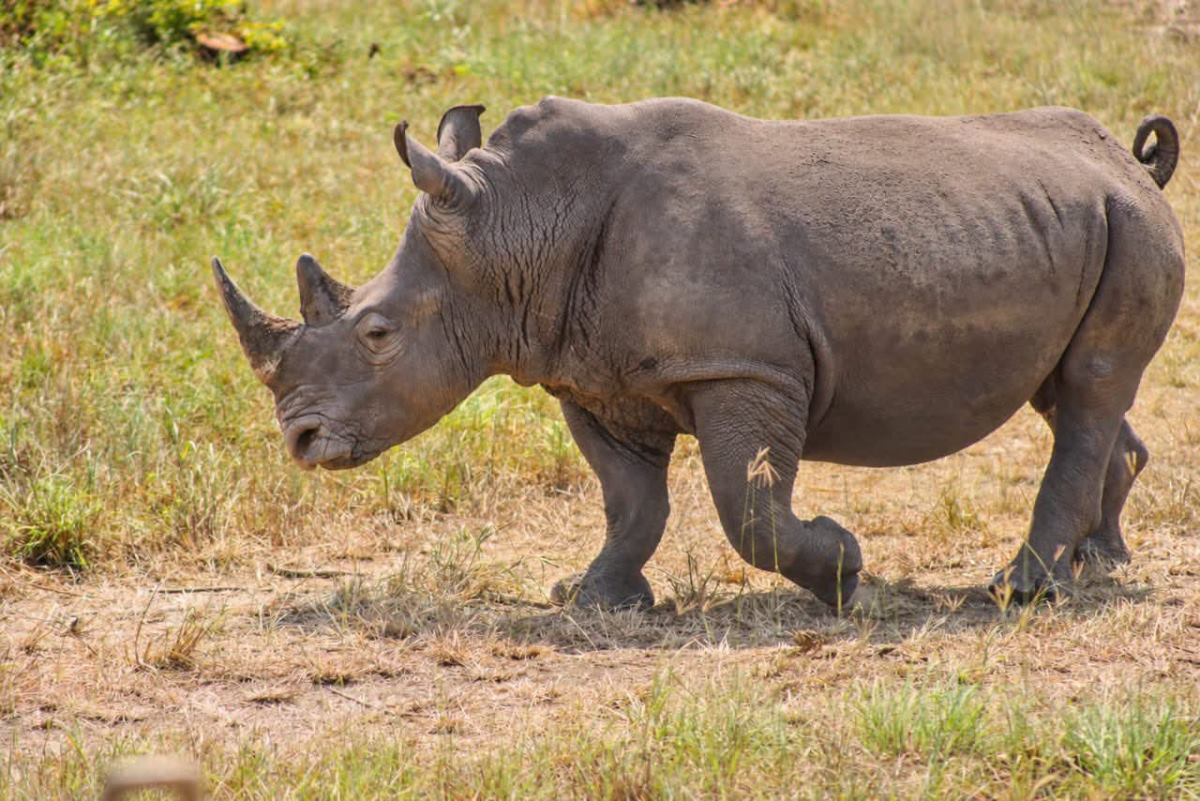
One of the latest initiatives supporting public engagement is Uganda Wildlife Authority‘s “Name a Rhino” campaign, which invites people and organisations to connect with individual rhinos and contribute to the wider conservation effort.
Uganda Wildlife Authority’s campaign describes the initiative as a way to raise conservation funding, support protected habitats and ranger welfare, and build public ownership of Uganda’s wildlife heritage.
What Is World Rhino Day?
World Rhino Day is an international awareness day dedicated to all five rhino species and the conservation efforts protecting them.
The International Rhino Foundation confirms that World Rhino Day is celebrated annually on 22nd September and has been observed internationally since 2011. In 2026, the day fell on Tuesday, 22nd September.
The World Rhino Day encourages people around the world to learn more about rhinos, support conservation initiatives and understand the threats facing these remarkable animals.
For Uganda, World Rhino Day is also an opportunity to celebrate the country’s growing conservation success.
Uganda’s Rhino Conservation Journey
Rhinos were once part of Uganda’s natural heritage, with both black rhinoceros and northern white rhinoceros historically occurring in the country.
However, poaching, habitat loss, insecurity and other pressures led to the disappearance of rhinos from Uganda’s wild landscapes by the early 1980s.
The country subsequently began a long-term effort to restore rhinos.
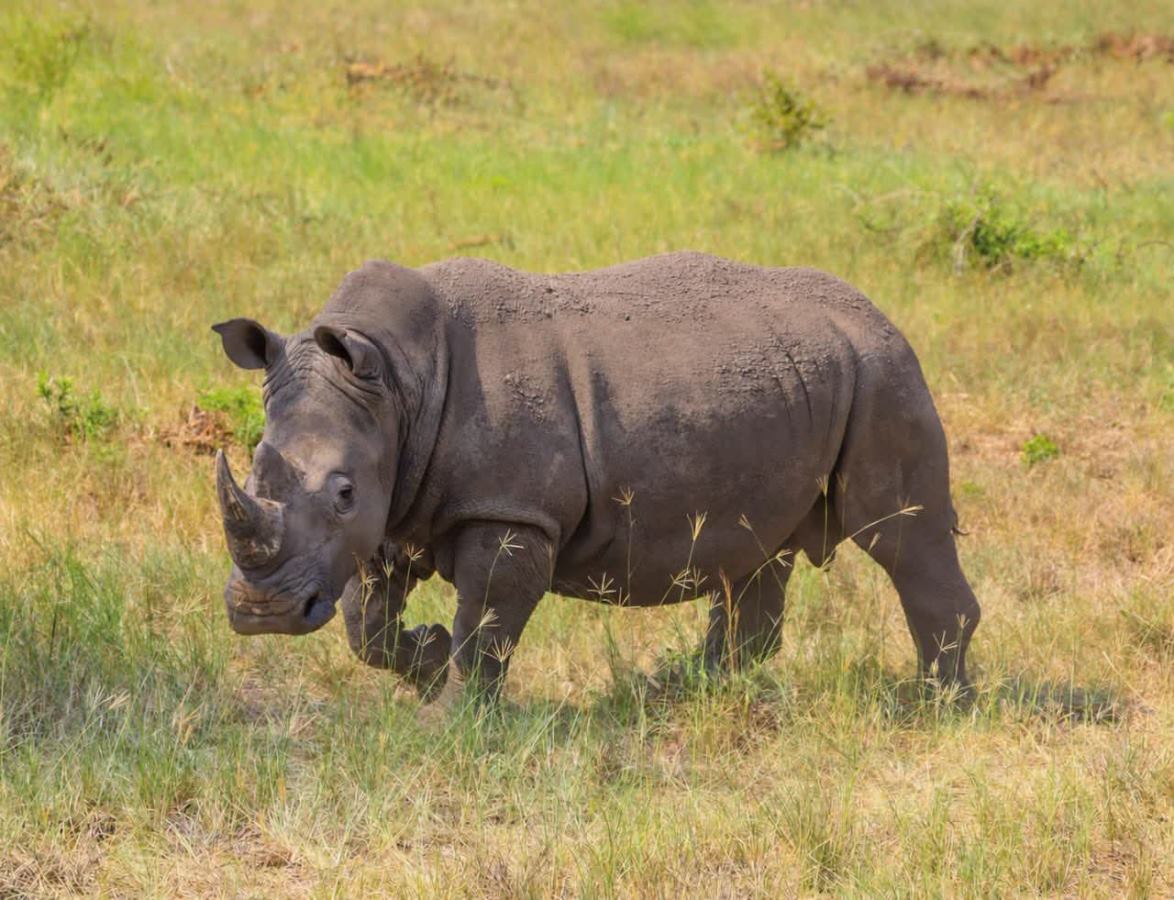
A major milestone came through the establishment of Ziwa Rhino Sanctuary, where a Southern White Rhino breeding programme was developed.
The sanctuary became an important foundation for Uganda’s national rhino recovery programme and has helped produce successive generations of rhinos.
Ziwa Rhino Sanctuary and the Return of Rhinos in Uganda
Located in Nakasongola District, Ziwa Rhino Sanctuary has become one of Uganda’s most important rhino conservation and tourism destinations.
The sanctuary provides protected habitat for rhinos while allowing visitors to experience these animals in a natural setting.
Uganda Wildlife Authority (UWA) identifies Ziwa Rhino Sanctuary as a tourism destination where visitors can enjoy activities including rhino trekking, birdwatching, canoeing, nature walks and other nature-based experiences.
For travellers heading towards Murchison Falls National Park, a visit to Ziwa Rhino Sanctuary can also provide an opportunity to learn about Uganda’s conservation history and the efforts being made to restore an important species.
Uganda’s Rhino Population Is Expanding
Uganda’s rhino conservation programme has continued to make important progress.
In December 2025, eight additional Southern White Rhinos arrived in Uganda from South Africa, strengthening the country’s national recovery programme.
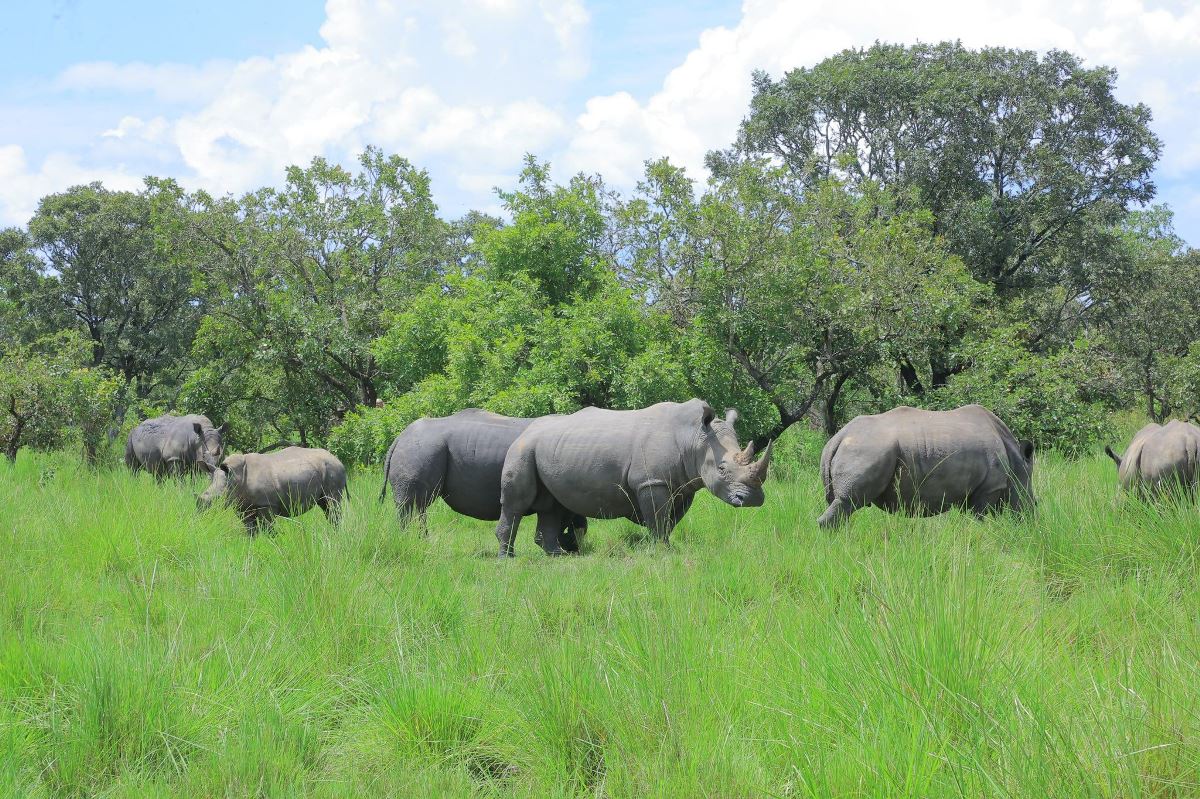
Uganda Wildlife Authority (UWA) reported that Uganda’s rhino population reached 59 following the arrival of the additional animals.
The 2026 State of Wildlife Resources in Uganda report gives a broader picture of the country’s rhino population and records Southern White Rhinos at Ziwa Rhino Sanctuary, Ajai Wildlife Reserve, Kidepo Valley National Park and the Uganda Wildlife Conservation Education Centre.
These developments demonstrate that Uganda’s rhino conservation programme is moving beyond maintaining a protected breeding population towards restoring rhinos across a wider national landscape.
Rhinos Return to Ajai Wildlife Reserve
In January 2026, Uganda Wildlife Authority announced the successful transfer of four Southern White Rhinos from Ziwa Rhino Sanctuary to Ajai Wildlife Reserve.
This was the first translocation of rhinos from one protected area to another within Uganda and formed part of a national programme to establish a breeding population at Ajai Wildlife Reserve.
The programme is guided by Uganda’s National Rhino Conservation Strategy, which aims to rebuild the country’s rhino population and restore the species to suitable areas of its former range.
For communities around Ajai Wildlife Reserve, the return of rhinos represents both a conservation milestone and the restoration of an important part of the region’s natural heritage.
Rhinos Return to Kidepo Valley National Park
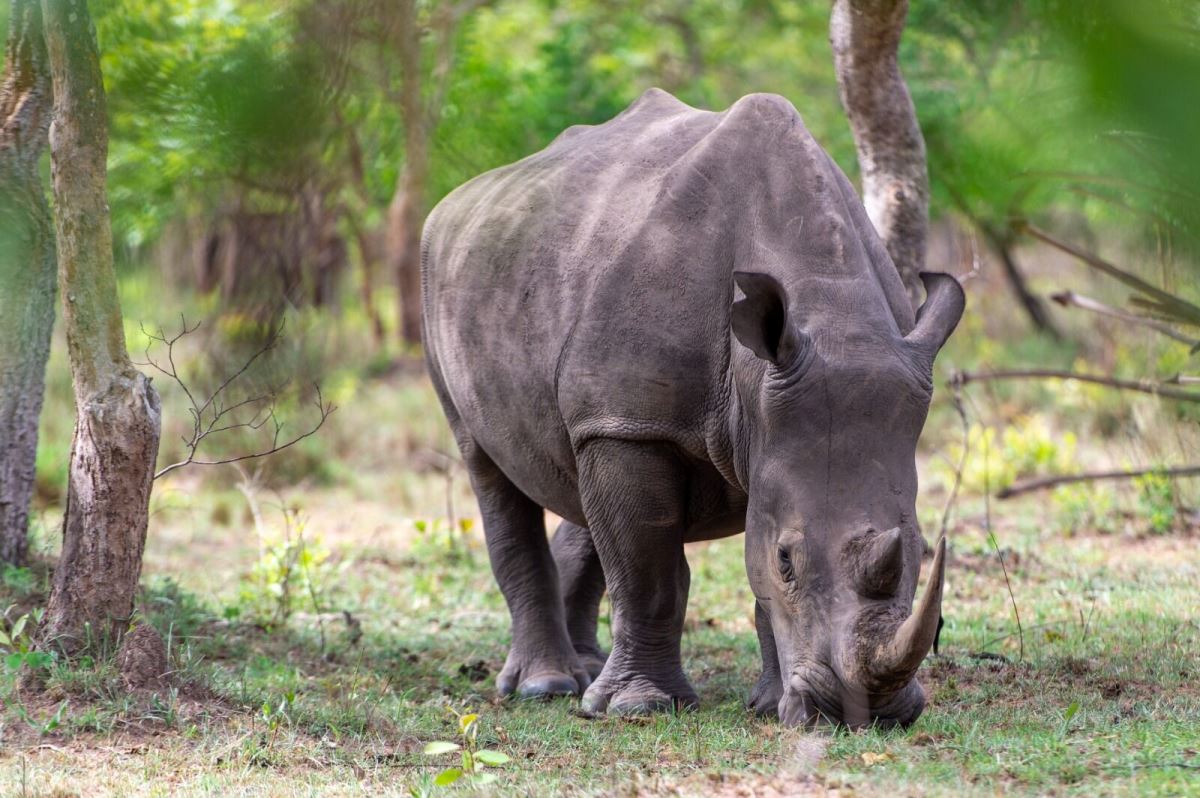
Uganda’s rhino restoration programme has also reached Kidepo Valley National Park.
In March 2026, Uganda Wildlife Authority (UWA) began the reintroduction of Southern White Rhinos to Kidepo Valley National Park, marking the return of rhinos to the landscape 43 years after the last rhino was sighted there.
The initial phase involved plans to move eight rhinos to the Kidepo Valley National Park.
The development adds another important dimension to Uganda’s conservation and tourism story because Kidepo Valley National Park is one of the country’s most distinctive wilderness destinations.
The return of rhinos contributes to the broader goal of restoring wildlife diversity and strengthening conservation-led tourism in northern Uganda.
The Rhino Naming Campaign
One of the most engaging aspects of Uganda’s current rhino conservation programme is the “Name a Rhino” campaign.
The campaign gives individuals, institutions, companies and other partners an opportunity to connect with individual rhinos by participating in the naming initiative.
According to Uganda Wildlife Authority (UWA), 17 young rhinos are awaiting names, with the campaign designed to raise critical conservation funds, support protected habitats and ranger welfare, and encourage public ownership of Uganda’s wildlife heritage.
The Rhino Naming Campaign gives each rhino an individual story while helping communicate the wider conservation message.
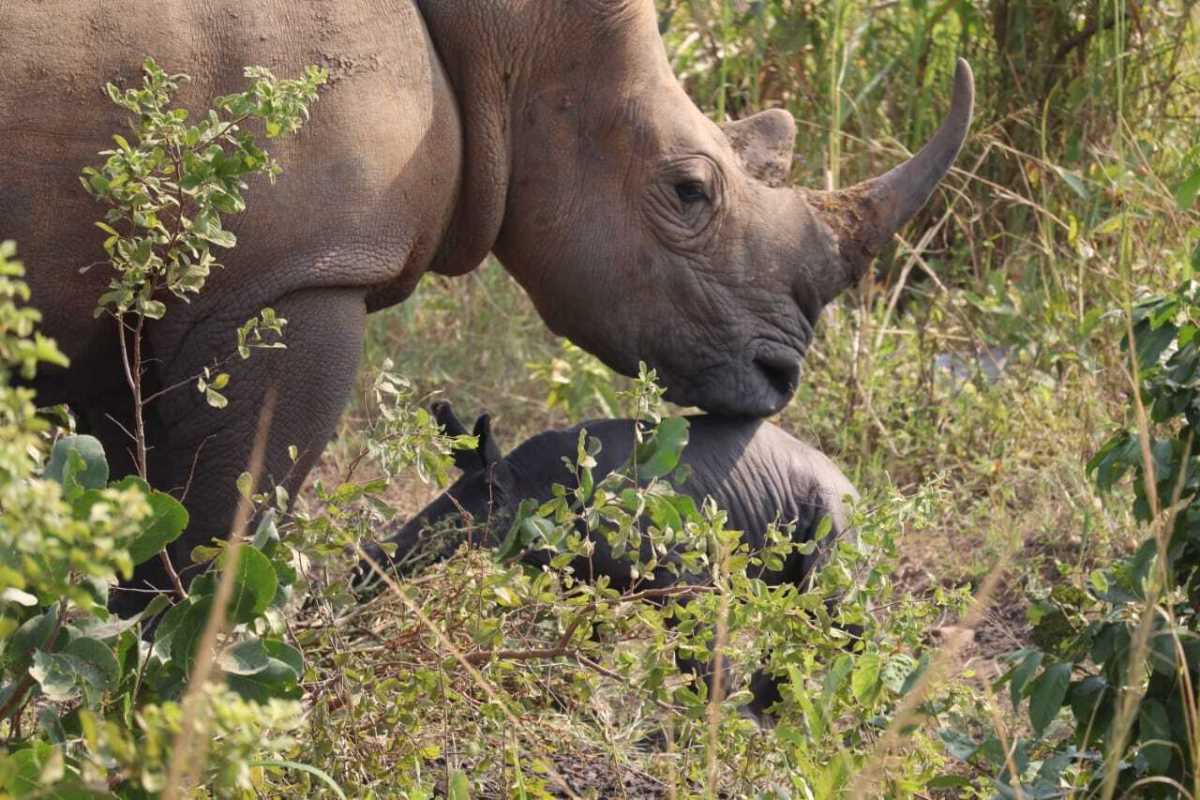
It also provides an opportunity for people who may never have encountered a rhino in person to become connected to Uganda’s wildlife recovery journey.
Looking Ahead to the Rhino Naming Launch
The Rhino Naming initiative creates a memorable way of connecting people with conservation.
Giving rhinos names can help turn individual animals into ambassadors for their species, particularly when their stories are shared through education, tourism, media and community engagement.
The initiative also creates opportunities for organisations, conservation partners and businesses to participate through sponsorship, partnerships, educational support and other contributions.
For Uganda’s tourism sector, the campaign adds another layer to the country’s wildlife experience and creates opportunities to tell conservation stories beyond traditional game drives and wildlife viewing.
Rhino Conservation and Responsible Tourism
Wildlife conservation and tourism are closely connected in Uganda.
Visitors travelling to destinations such as Ziwa Rhino Sanctuary, Murchison Falls National Park, Kidepo Valley National Park and other protected areas contribute to a tourism economy that supports conservation and local communities.
Responsible tourism can strengthen this relationship by encouraging travellers to respect wildlife, follow conservation guidelines, support local businesses and learn about the communities and organisations working to protect Uganda’s natural heritage.
For rhino tourism in particular, visitor experiences can help raise awareness about the importance of restoring species that were once lost from Uganda’s wild landscapes.
Why Rhinos Matter to Uganda’s Tourism Industry
Rhinos are more than iconic wildlife species. They are part of Uganda’s wider natural heritage.
Their recovery can contribute to:
- Wildlife conservation and habitat restoration
- Nature-based tourism
- Local employment
- Community tourism opportunities
- Conservation education
- Research and wildlife management
- Tourism diversification
- Increased awareness of Uganda’s wildlife heritage
The return of rhinos to protected areas such as Ajai Wildlife Reserve and Kidepo Valley National Park also creates potential for future tourism experiences as populations establish themselves and conservation programmes develop.
Supporting Communities Through Conservation
Long-term wildlife conservation requires support from the communities living around protected areas.
When local people see practical benefits from conservation, they can become important partners in protecting wildlife and habitats.
Uganda’s wider conservation approach increasingly recognises the importance of linking wildlife protection with community livelihoods, tourism and local development.
For tourism operators, this creates an opportunity to develop experiences that help visitors understand the connection between wildlife, people and landscapes.
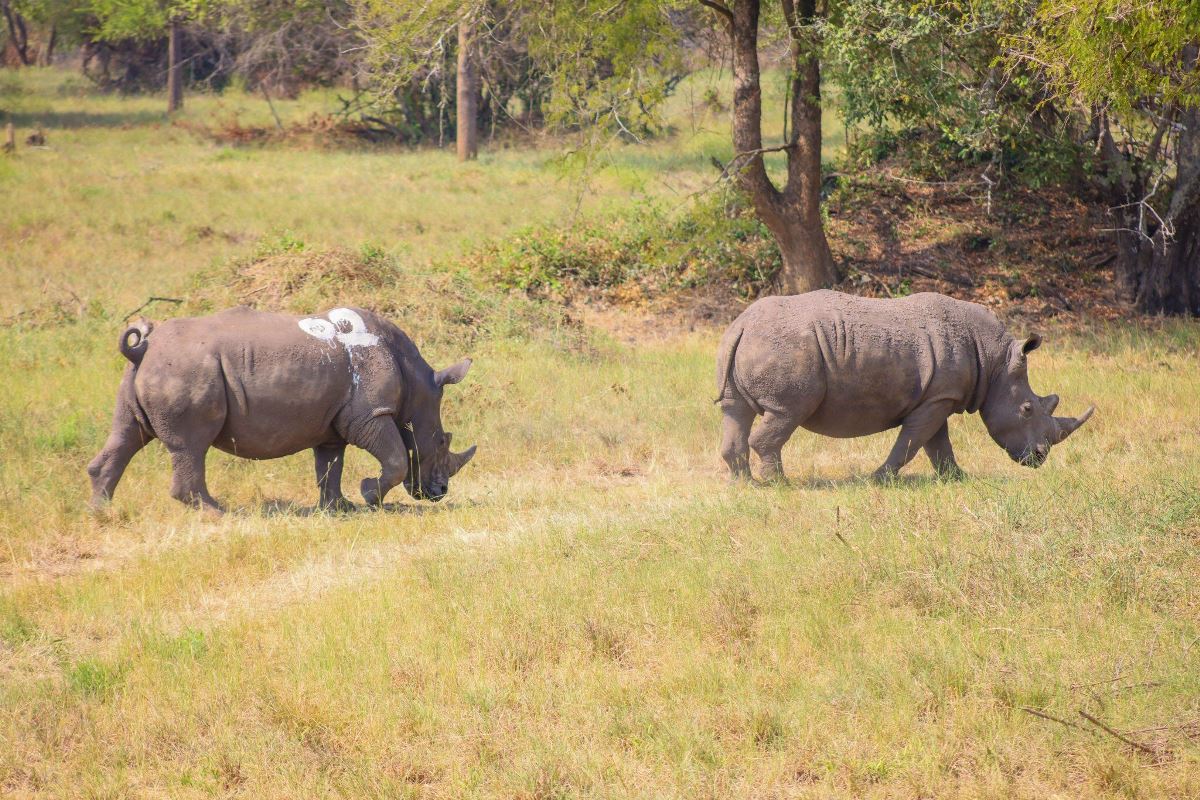
A Shared Responsibility to Protect Rhinos
The message of World Rhino Day is ultimately about shared responsibility.
Government institutions, conservation organisations, communities, tourism businesses, development partners, visitors and individual wildlife enthusiasts all have a role to play in protecting rhinos.
Uganda’s rhino recovery demonstrates what can be achieved through long-term conservation planning, partnerships, breeding programmes, wildlife management and public support.
The progress made at Ziwa Rhino Sanctuary, the reintroduction of rhinos to Ajai Wildlife Reserve and Kidepo Valley National Park, and the growing public engagement around the “Name a Rhino campaign” all form part of a much larger conservation story.
Experience Uganda’s Rhino Conservation Story
For travellers visiting Uganda, rhino conservation can become an important part of a wider wildlife journey.
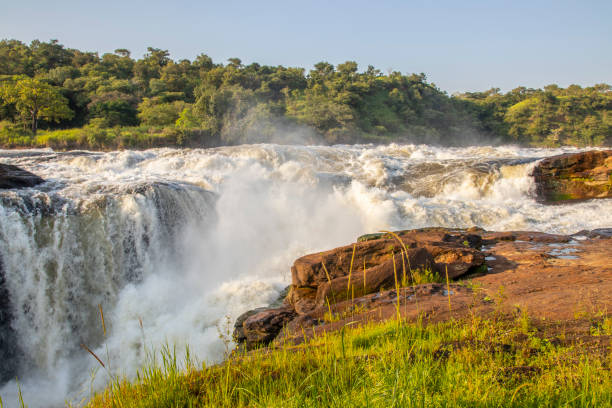
A visit to Ziwa Rhino Sanctuary can be combined with a Uganda safari to destinations such as Murchison Falls National Park, where travellers can experience wildlife, landscapes, birdlife and the famous Murchison Falls.
As Uganda’s rhino restoration programme develops, destinations such as Ajai Wildlife Reserve and Kidepo Valley National Park are also becoming increasingly important parts of the country’s broader wildlife conservation story.
Celebrate World Rhino Day with Responsible Tourism Company
At Responsible Tourism Company, we believe travel can play a positive role in supporting wildlife conservation, local communities and Uganda’s natural heritage.
Our team can help travellers plan responsible Uganda wildlife experiences, including rhino trekking, wildlife safaris, gorilla trekking, chimpanzee tracking, birdwatching, community tourism and nature-based adventures.
Whether you want to visit Ziwa Rhino Sanctuary as part of a Murchison Falls safari or create a longer wildlife itinerary across Uganda, we can help arrange accommodation, transportation, activities and locally connected experiences.
Plan Your Uganda Wildlife Safari
Travel with purpose and discover Uganda responsibly. Contact Responsible Tourism Company to plan a wildlife journey that connects you with Uganda’s conservation success stories while supporting local tourism and communities.
Frequently Asked Questions About World Rhino Day and Rhino Conservation in Uganda
When is World Rhino Day celebrated?
World Rhino Day is celebrated every year on 22nd September. In 2026, World Rhino Day fell on Tuesday, 22nd September.
What is World Rhino Day?
World Rhino Day is an international awareness day dedicated to the conservation of all five rhino species and the people and organisations working to protect them.
Where can I see rhinos in Uganda?
Ziwa Rhino Sanctuary in Nakasongola is an established destination for seeing Southern White Rhinos in Uganda.
Uganda is also expanding rhino conservation through reintroduction programmes in places such as Ajai Wildlife Reserve and Kidepo Valley National Park.
What is the “Name a Rhino campaign” in Uganda?
The “Name a Rhino campaign” is a Uganda Wildlife Authority initiative designed to engage individuals, institutions and organisations in rhino conservation by allowing them to participate in naming rhinos while supporting the wider conservation programme.
Why is Ziwa Rhino Sanctuary important?
Ziwa Rhino Sanctuary is an important centre for Uganda’s Southern White Rhino breeding and conservation programme. It has also become a tourism destination offering rhino trekking and other nature-based activities.
Are rhinos being reintroduced into Uganda’s national parks?
Yes. Uganda has begun expanding rhino populations beyond Ziwa Rhino Sanctuary. Rhinos were reintroduced to Ajai Wildlife Reserve in 2026, while Uganda Wildlife Authority (UWA) also began a rhino reintroduction programme in Kidepo Valley National Park.
What type of rhino is found in Uganda’s current conservation programme?
Uganda’s current recovery programme focuses on the Southern White Rhino (Ceratotherium simum simum).
How does tourism support rhino conservation?
Responsible tourism can contribute through visitor fees, conservation awareness, employment, local businesses and tourism experiences that create economic value around wildlife protection.
Can I include Ziwa Rhino Sanctuary in a Uganda safari?
Yes. Ziwa Rhino Sanctuary can be included in a Uganda itinerary, particularly when travelling between Kampala and Murchison Falls National Park. Responsible Tourism Company can help incorporate a rhino experience into a tailor-made Uganda safari.
How can I support rhino conservation in Uganda?
Individuals and organisations can support rhino conservation by participating in legitimate conservation initiatives, supporting responsible tourism, contributing to conservation organisations and helping raise awareness about the importance of protecting rhinos and their habitats.