
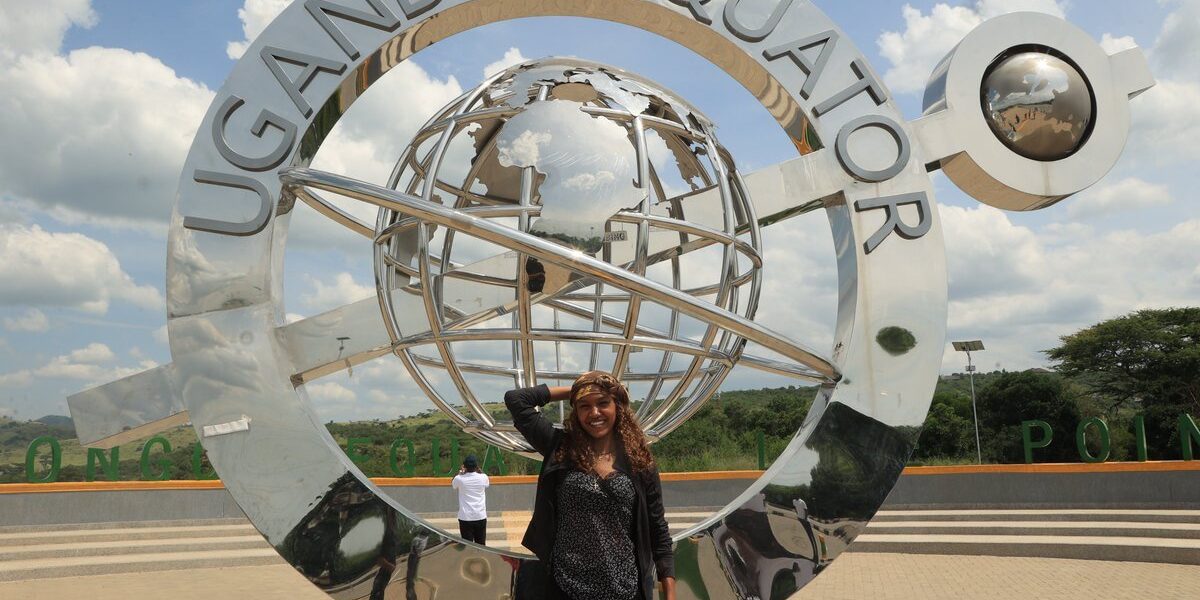
Travelling through western Uganda offers an opportunity to experience spectacular landscapes, wildlife, culture and some of the country’s most distinctive geographical landmarks.
Among these attractions is the Kikorongo Equator Line, located along the Mbarara-Kasese highway in Kasese District.
The Kikorongo Equator Monument marks the Equator as it crosses this important transport corridor.
The site has become a popular stopover for travellers heading towards Queen Elizabeth National Park, the Rwenzori Mountains National Park and other destinations in western Uganda.
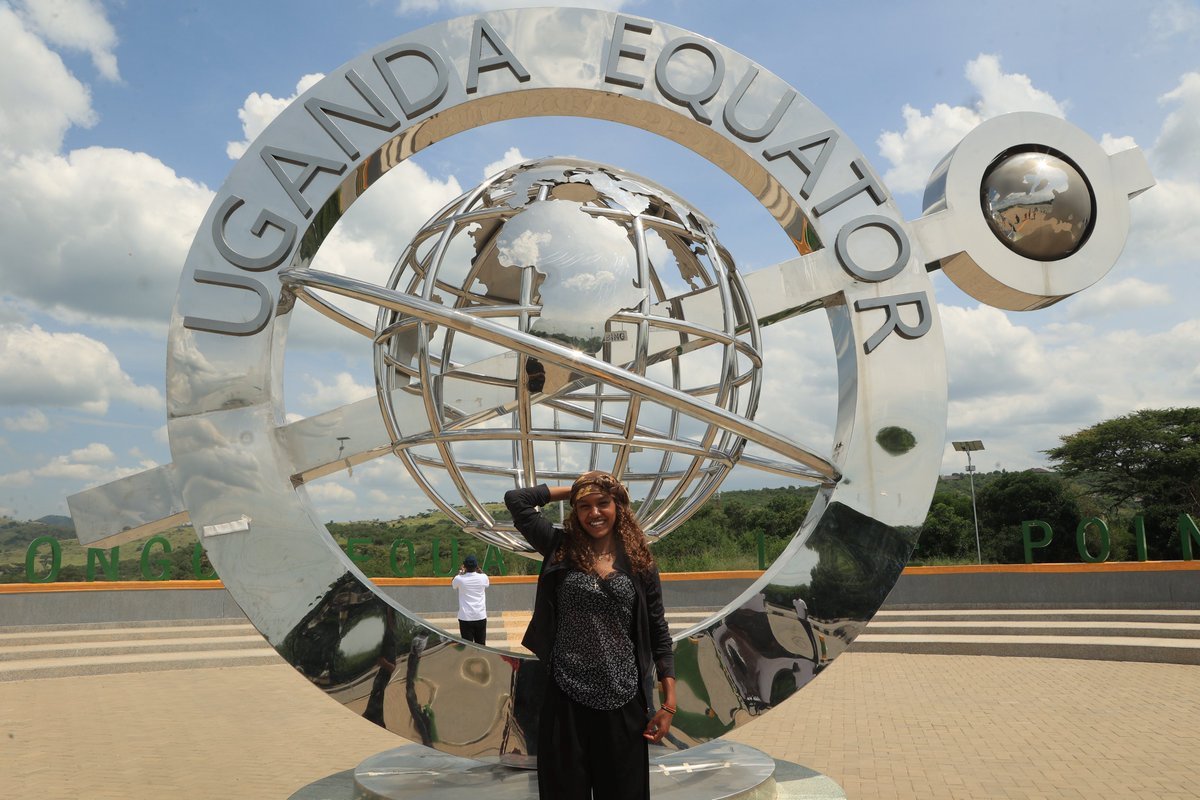
Uganda’s Ministry of Tourism describes Kikorongo as one of the country’s busiest tourism stopovers and reports that the monument attracts more than 100,000 visitors annually.
For travellers, the attraction provides more than a quick photograph. The Kikorongo Equator Line offers an opportunity to learn about the Equator, interact with local communities, shop for crafts and connect the geographical experience with a wider western Uganda safari.
Where Is the Kikorongo Equator Line in Uganda?
The Kikorongo Equator Line is situated in Kasese District in western Uganda, along the Mbarara-Kasese highway.
Kikorongo is strategically positioned near the northern side of Queen Elizabeth National Park, making it a convenient stop for travellers exploring the national park and continuing towards Kasese, the Rwenzori Mountains or the Uganda-Democratic Republic of Congo border.
The Kikorongo settlement itself lies approximately 25 kilometres south of Kasese, while the Equator crossing is positioned directly on the main road through the area.
The location also makes Kikorongo particularly convenient for combining an Equator experience with a western Uganda safari.
What Makes Kikorongo Equator Line Special?
The Kikorongo Equator Line’s main appeal comes from the tourist attraction geographical position.
The Equator is an imaginary line around Earth that separates the Northern and Southern Hemispheres. At Kikorongo, visitors can stand at a marked Equator crossing while travelling through western Uganda.
The monument has become a popular photography location and tourism stopover. Visitors can take photographs at the Equator marker, explore the surrounding area and purchase locally made crafts.
The experience also connects geography with the surrounding landscape. Queen Elizabeth National Park itself straddles the Equator, creating a fascinating combination of geographical, ecological and tourism significance.
Tourist Attractions Near Kikorongo, Uganda
One of the biggest advantages of visiting Kikorongo is its location within a broader tourism circuit.
- Queen Elizabeth National Park
Queen Elizabeth National Park is one of Uganda’s most important wildlife destinations.
The park covers approximately 1,978 square kilometres and contains savannah, wetlands, forests, crater lakes and lakeshore habitats. This national park is home to a wide range of wildlife and bird species.
Visitors can combine a Kikorongo Equator stop with:
- Game drives
- Wildlife photography
- Birdwatching
- Kazinga Channel boat cruises
- Chimpanzee tracking in Kyambura Gorge
- Nature walks
- Crater lake excursions
- Cultural experiences
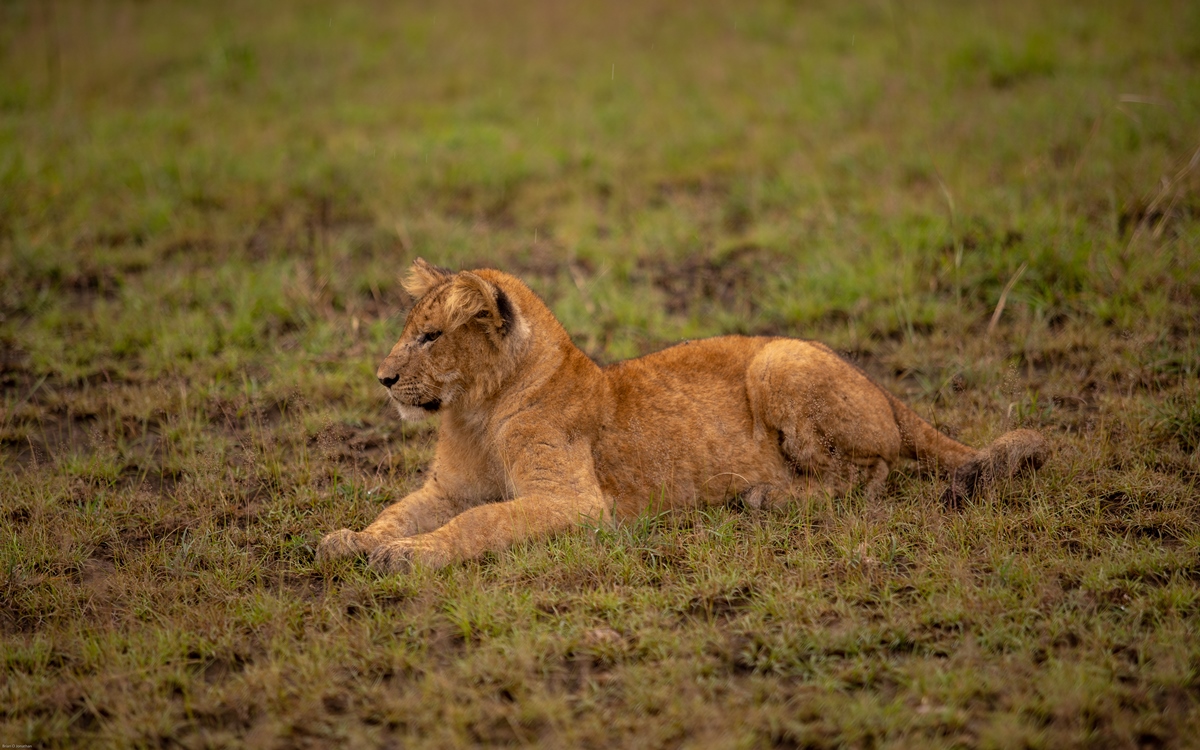
Queen Elizabeth National Park is particularly famous for the Kazinga Channel, where boat cruises provide opportunities to observe hippos, crocodiles, elephants, buffaloes and numerous waterbirds.
- Lake Kikorongo
Lake Kikorongo is part of the Katwe-Kikorongo crater-lake landscape in western Uganda.
The lake lies in Kasese District and forms part of the scenic geological environment surrounding Queen Elizabeth National Park.
The surrounding area offers opportunities for scenic photography, community experiences and nature-focused tourism.
A future-oriented management plan for the Queen Elizabeth National Park Protected Area also identifies opportunities around Kikorongo for activities such as cycling and birdwatching trails around Lake Kikorongo.
- Rwenzori Mountains
The Rwenzori Mountains are another major attraction accessible from the wider Kasese area.
Travellers heading west from Kikorongo can continue towards the spectacular Rwenzori mountain landscape, making it possible to combine the Equator experience with mountain hiking and cultural tourism.
Longer trips can include mountain trekking, nature walks and exploration of communities around the Rwenzori Mountains foothills.
- Katunguru and Kazinga Channel
Katunguru provides access to some of the most popular experiences in Queen Elizabeth National Park.
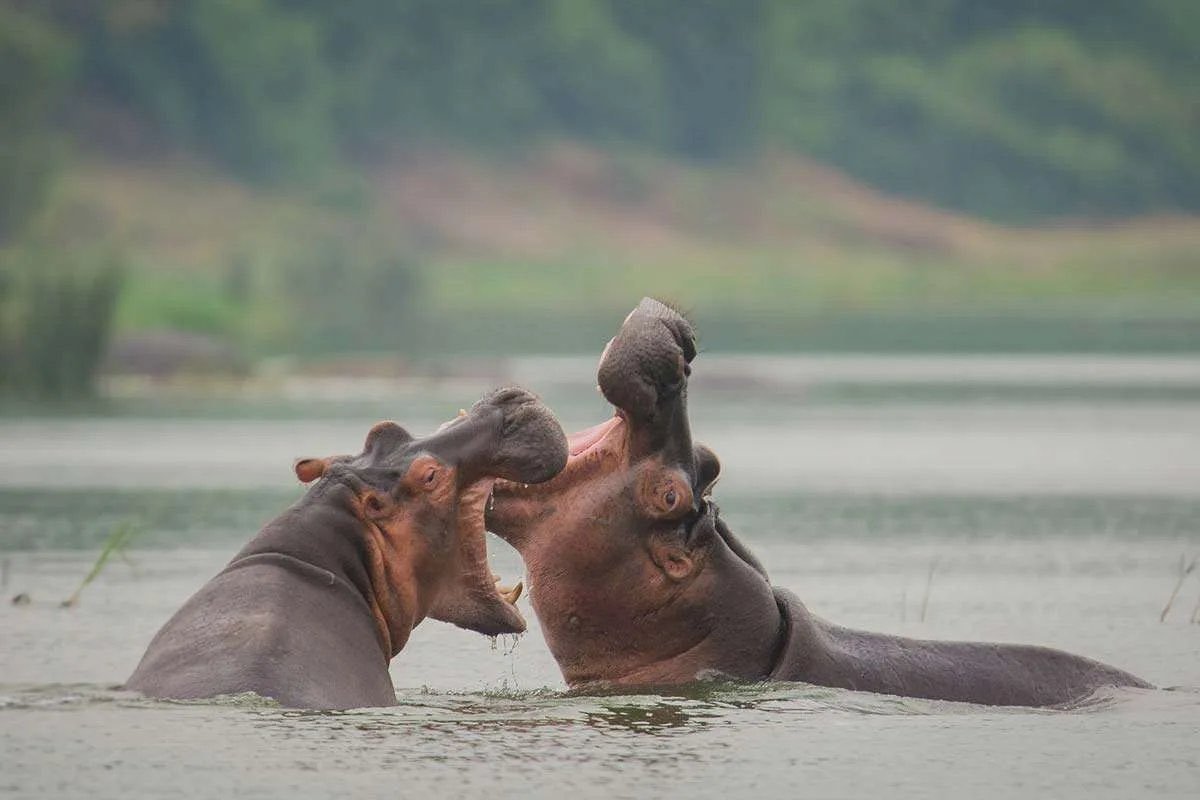
The nearby Kazinga Channel connects Lake George and Lake Edward and is one of the national park’s most productive wildlife-viewing areas.
A boat cruise provides a chance to see hippos in the water, crocodiles along the banks and elephants and buffaloes near the shoreline. The channel also attracts a wide variety of birds.
Things to Do at Kikorongo Equator Line
Take an Equator Photograph
Photography is one of the simplest and most popular activities at the monument.
Couples, families and safari groups can take photographs while standing at the Equator marker.
For visitors travelling through western Uganda, it makes an easy addition to a safari itinerary.
Experience the Equator Demonstration
Visitors can participate in demonstrations designed to illustrate the geographical significance of the Equator.
These demonstrations are often used to explain the differences between the Northern and Southern Hemispheres and provide an interactive component to the stop.

Shop for Local Crafts
The Kikorongo area provides opportunities to purchase locally made crafts and souvenirs.
Travellers can support local artisans by purchasing handmade products such as artwork, carvings and other locally produced souvenirs.
Experience Local Culture
Kikorongo also has community-based tourism opportunities.
The Kikorongo Women Community is known for cultural performances involving music, dance and drama.
Community tourism experiences can provide visitors with an opportunity to interact with local residents and learn more about life around Queen Elizabeth National Park.
Combine Kikorongo with a Wildlife Safari
The Equator experience works particularly well as part of a larger Queen Elizabeth National Park safari.
A traveller can stop at Kikorongo while travelling between Kampala, Fort Portal, Kasese, Queen Elizabeth National Park and other destinations in western Uganda.
Wildlife and Birdwatching Around Kikorongo
Although the Equator monument itself is primarily a geographical and cultural attraction, its location places visitors close to one of Uganda’s richest wildlife landscapes.
Queen Elizabeth National Park supports approximately 95 mammal species and more than 600 recorded bird species according to tourism information about the park.
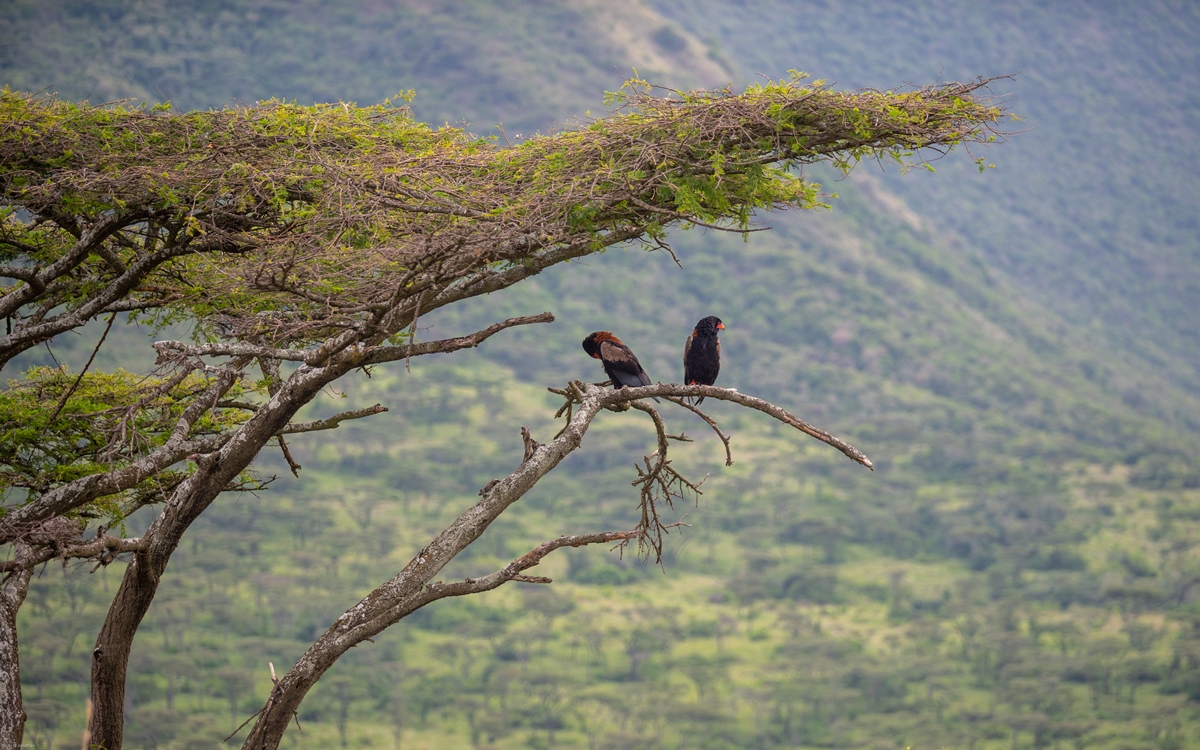
Travellers can therefore extend their Kikorongo visit into a broader wildlife experience.
Possible wildlife encounters around the wider Queen Elizabeth ecosystem include:
- African elephants
- Buffaloes
- Lions
- Leopards
- Hippos
- Uganda kob
- Warthogs
- Antelopes
- Tree-climbing lions in the Ishasha sector
Birdwatchers can look for numerous savannah, wetland and forest species depending on the area visited.
Best Trips to Combine with Kikorongo Equator Line
Kikorongo Equator & Queen Elizabeth National Park Safari
This is one of the most natural combinations.
The itinerary can include the Equator monument followed by a game drive in Queen Elizabeth National Park.
Travellers can then spend the night at a safari lodge before undertaking additional activities such as a Kazinga Channel cruise.
Kikorongo Equator & Rwenzori Mountains Adventure
Adventure travellers can combine the Equator experience with a trip to the Rwenzori Mountains.
The combination provides a transition from geographical tourism to mountain scenery, hiking and nature experiences.
Kikorongo Equator & Kibale Safari
Travellers arriving from the Fort Portal/Kibale area can incorporate Kikorongo into a wider western Uganda circuit.
A multi-day itinerary could combine:
Kibale National Park to Queen Elizabeth National Park to Kikorongo Equator to Rwenzori Mountains National Park/Kasese
This creates a varied itinerary covering primates, wildlife, geography and mountain scenery.
Kikorongo Equator & Uganda Gorilla Safari
Kikorongo can also form part of a longer southwestern Uganda itinerary that includes Queen Elizabeth National Park and Bwindi Impenetrable National Park.
This is particularly suitable for travellers who want to combine wildlife viewing with gorilla trekking.
Getting to Kikorongo Equator Line
From Kampala
Travellers can reach the Kikorongo area by road from Kampala through western Uganda.
One major route travels through Mityana, Mubende, Kyegegwa, Fort Portal and Kasese, while another route passes through Masaka and Mbarara before continuing towards western Uganda.
The exact travel time depends on the selected route, road conditions, traffic and stops along the way.
For a safari, private 4×4 transport with a professional driver-guide is the most convenient option because it allows travellers to stop at attractions and viewpoints along the route.
From Queen Elizabeth National Park
Kikorongo is particularly convenient for visitors travelling around the northern section of Queen Elizabeth National Park.
Travellers can combine the Equator stop with game drives, crater-lake visits and other park experiences.
From Kasese
Kikorongo is easily accessible from Kasese via the main road network.
The location makes it convenient for travellers combining Kasese, Queen Elizabeth National Park and the Rwenzori Mountains.
By Air
Travellers taking a domestic or charter flight to western Uganda can arrange road transfers from the relevant airstrip towards Kikorongo and Queen Elizabeth National Park.
For most tourists, however, the road journey is valuable because it becomes part of the sightseeing experience.
Recommended Transport for Tourists
For international visitors, the most convenient option is a private safari vehicle with a professional driver-guide.
This allows you to:
- Travel directly from your accommodation
- Make photography stops
- Combine several attractions
- Carry luggage comfortably
- Receive destination interpretation from a guide
- Adjust the route according to your interests
Public buses and shared transport are available along western Uganda’s major road corridors, but they provide considerably less flexibility for visitors wanting to combine Kikorongo with multiple tourism activities.
New Tourism Development at Kikorongo
Kikorongo is becoming increasingly important within Uganda’s tourism development plans.
In 2026, the Ministry of Tourism, Wildlife and Antiquities announced a Shs9.2 billion tourism extension infrastructure project at the Kikorongo Equator Monument.
The project is intended to improve the visitor experience and strengthen Kikorongo’s position as a tourism stopover on the western Uganda circuit. The ministry reported that the site had received approximately 106,000 visitors in the previous year.
The Queen Elizabeth National Park Protected Area General Management Plan also identifies several potential tourism developments around the Equator area, including improved visitor facilities, a nature trail linking Kikorongo with Lake Kikorongo and the Queen’s Pavilion, cycling opportunities and a birdwatching trail.
These developments could make Kikorongo an increasingly important standalone tourism experience rather than simply a brief roadside photo stop.
Best Time to Visit Kikorongo Equator Line
Kikorongo can be visited throughout the year because the Equator monument is a geographical and roadside attraction rather than a seasonal wildlife activity.
However, travellers combining the visit with a wildlife safari should consider Uganda’s broader safari seasons.
For a more comfortable overall western Uganda itinerary, many travellers prefer the relatively drier periods, particularly June to August and December to February.
The wet seasons can bring lush landscapes and excellent photographic conditions but may also produce challenging road conditions in some areas.
What to Bring for the Kikorongo Equator Line
For a simple Equator stop, you do not need specialist equipment.
However, if Kikorongo forms part of a western Uganda safari, consider bringing:
- Comfortable walking shoes
- Sun hat
- Sunglasses
- Sunscreen
- Insect repellent
- Lightweight clothing
- Light rain jacket
- Camera
- Binoculars
- Reusable water bottle
- Small daypack
- Some local currency for crafts and community purchases
Responsible Tourism at Kikorongo
Visitors can contribute to the local tourism economy by purchasing authentic locally made crafts and using community tourism services.
Respect local customs when photographing people, ask permission before taking close-up photographs and avoid littering.
Travellers should also follow conservation guidelines when continuing into Queen Elizabeth National Park.
Choosing locally owned tourism experiences and working with responsible tour operators helps ensure that tourism contributes to communities surrounding the attraction.
Plan Your Kikorongo Equator Experience with Responsible Tourism Company Ltd
Planning a western Uganda safari becomes easier when the Equator experience is incorporated into a carefully designed route.
Responsible Tourism Company Ltd can help travellers combine the Kikorongo Equator Line with Queen Elizabeth National Park, Kazinga Channel, Kibale National Park, the Rwenzori Mountains, Bwindi Impenetrable National Park and other western Uganda attractions.
Whether you are interested in wildlife, photography, birdwatching, culture, adventure or a private couple’s safari, your Kikorongo visit can be incorporated into a customized Uganda itinerary.
Ready to stand on the Equator in western Uganda? Contact us at Responsible Tourism Company Ltd to plan your Kikorongo Equator experience and combine it with an unforgettable Queen Elizabeth National Park safari.
Frequently Asked Questions About Kikorongo Equator Line
- Where is the Kikorongo Equator Line?
The Kikorongo Equator Line is located in Kasese District in western Uganda, along the Mbarara–Kasese highway near Queen Elizabeth National Park.
- What can I do at Kikorongo Equator?
Visitors can photograph the Equator monument, participate in Equator demonstrations, purchase local crafts and experience community cultural activities.
- Is Kikorongo Equator inside Queen Elizabeth National Park?
The Equator monument is associated with the Queen Elizabeth tourism area and lies along the main transport corridor near the park. Queen Elizabeth National Park itself straddles the Equator.
- Can I visit Kikorongo Equator during a Queen Elizabeth safari?
Yes. Kikorongo is particularly convenient to combine with a Queen Elizabeth National Park safari.
- What wildlife can I see near Kikorongo?
The wider Queen Elizabeth ecosystem supports elephants, buffaloes, lions, leopards, hippos, Uganda kob, warthogs and numerous other species. Wildlife sightings at any specific location are not guaranteed.
- Can I combine Kikorongo with the Rwenzori Mountains?
Yes. Kikorongo and Kasese can be incorporated into a western Uganda itinerary featuring the Rwenzori Mountains.
- Is Kikorongo suitable for families?
Yes. The Equator experience is a relatively accessible activity and can be combined with family-friendly wildlife and cultural experiences.
- Is Kikorongo suitable for couples?
Yes. Couples can enjoy Equator photography, cultural experiences and combine the stop with a private Queen Elizabeth safari.
- How long should I spend at Kikorongo Equator?
A short visit can take around 30–60 minutes, while travellers combining cultural experiences, shopping and demonstrations may wish to allow more time.
- Can Kikorongo be included in a Uganda safari from Kampala?
Yes. It can be incorporated into western Uganda itineraries connecting Kampala with Queen Elizabeth National Park, Kasese, Fort Portal, Kibale or the Rwenzori Mountains.
The Kikorongo Equator Line provides travellers with an opportunity to experience one of Uganda’s most interesting geographical landmarks while exploring the wildlife-rich western tourism circuit.
This tourist attraction’s location makes it particularly valuable as part of a broader journey through Queen Elizabeth National Park, Kasese, the Rwenzori Mountains and southwestern Uganda.
With ongoing investment in visitor infrastructure and new tourism experiences planned around the Equator area, Kikorongo has the potential to become an increasingly significant stop on Uganda’s western tourism route.
Plan your western Uganda adventure with Responsible Tourism Company Ltd and include the Kikorongo Equator Line in your next Uganda safari.